
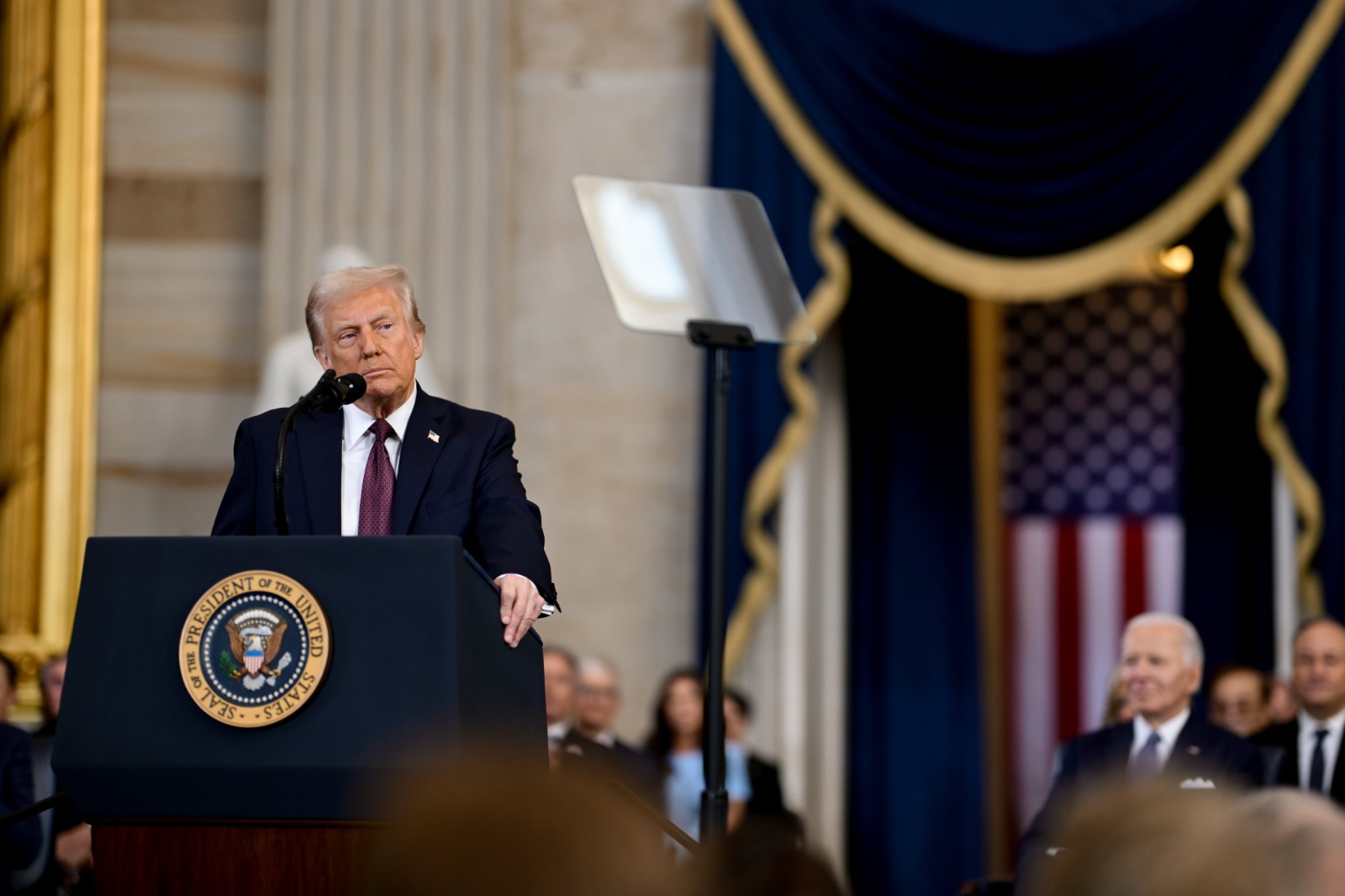
Photo: The Trump White House
American money has always stood as a neutral symbol of the nation, deliberately kept separate from the temporary politicians who run the government. But a shocking new announcement from the United States Treasury Department is entirely erasing that historic boundary.
For the first time since paper money was introduced during the Civil War in 1861, a sitting president will place his personal autograph on the nation’s legal tender. Starting this June, newly printed hundred-dollar bills will drop the traditional signature of the United States Treasurer and replace it with the signature of President Donald Trump. This unprecedented shift raises deep concerns about the growing trend of turning America’s fundamental financial systems into personal promotional tools.
The Birthday Alibi
To defend this massive change to a global asset, the Treasury Department is using the upcoming 250th anniversary of American independence as its primary excuse. Treasury Secretary Scott Bessent publicly stated that putting the president’s name on the dollar is the most powerful way to celebrate the country’s historic achievements and its current economic path.
Surprisingly, the current United States Treasurer, Brandon Beach, willingly gave up his own historic spot on the currency to make room for the president. Beach openly supported the move, calling Trump the architect of an economic revival and declaring the signature well deserved. However, using the nation’s 250th birthday to permanently brand the currency looks less like patriotism and much more like an exercise in extreme personal ego.
Exploiting a Legal Loophole
The mechanics of this decision reveal a fascinating and troubling use of federal loopholes. When the government first started printing paper money, known as “greenbacks,” to fund the Civil War in 1861, it established a strict tradition. The bills were to be signed only by the Treasury Secretary and the Treasurer. Just a few years later, in 1866, Congress passed a strict law specifically banning the portrait or face of any living person from appearing on United States money. This law was intentionally written to ensure American presidents could not treat the national treasury like the personal banks of European kings.
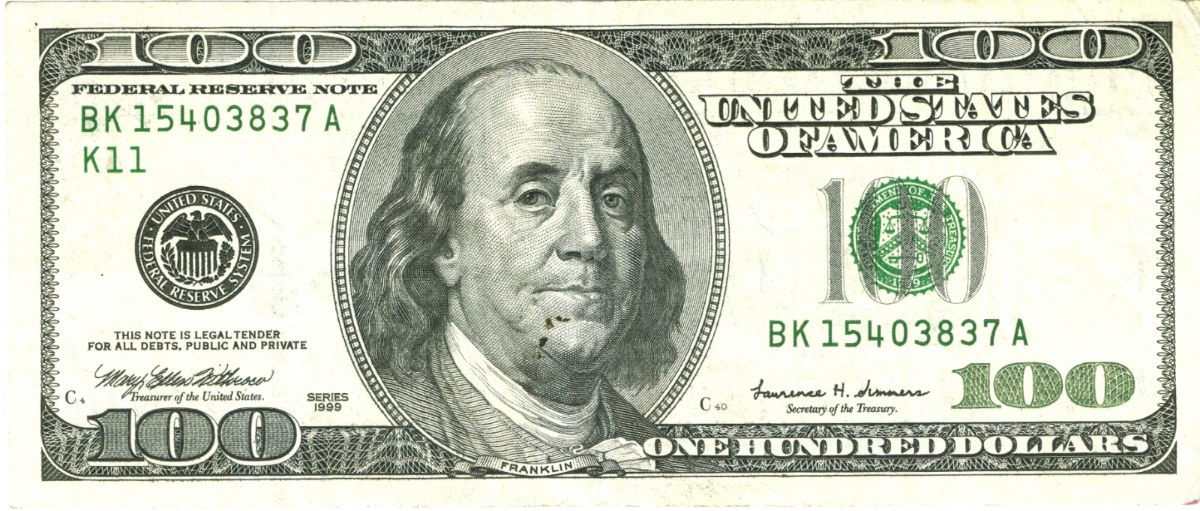
However, because the 1866 law explicitly mentions pictures and faces, substituting a signature slips perfectly through a legal gray area. Under federal law, the Treasury Secretary has broad legal power to change currency designs to guard against counterfeiting. The current administration is utilizing that exact administrative power to bypass the spirit of the anti-monarchy law without technically breaking it.
Danger of Political Money
When a government drastically changes its money to serve the personal brand of its leader, the public must seriously question the reasonability of the decision. Physical currency is supposed to represent the shared trust and credit of the American people, not act as a political flyer for one specific administration. Prominent financial experts and policymakers are already voicing heavy skepticism. Douglas Holtz-Eakin, a prominent Republican economist, openly questioned why this vanity project serves any real national interest, describing the effort to the press as a potential act of ultimate futility.
The global dominance of the American dollar relies entirely on the world believing that the United States financial system is stable, independent, and strictly non-partisan. By transforming the physical dollar into a political souvenir, the administration is dangerously crossing the line between the office of the presidency and the neutral machinery of the state.
Risky Precedent for the Future
This decision sets a deeply concerning standard for the future of American institutions. It creates a risky precedent where every future executive might feel entitled to stamp their own name on the national currency just to satisfy their political pride. True economic strength is built by lowering inflation, securing global supply chains, and maintaining the unwavering trust of international markets. It is never achieved by treating the world’s most important reserve currency as a personal autograph book.
Yeh article aapko kaisa laga?