|Author: Hency Kushwah|
Photo by Marcin Jozwiak on Unsplash
A Crime Hiding in Plain Sight
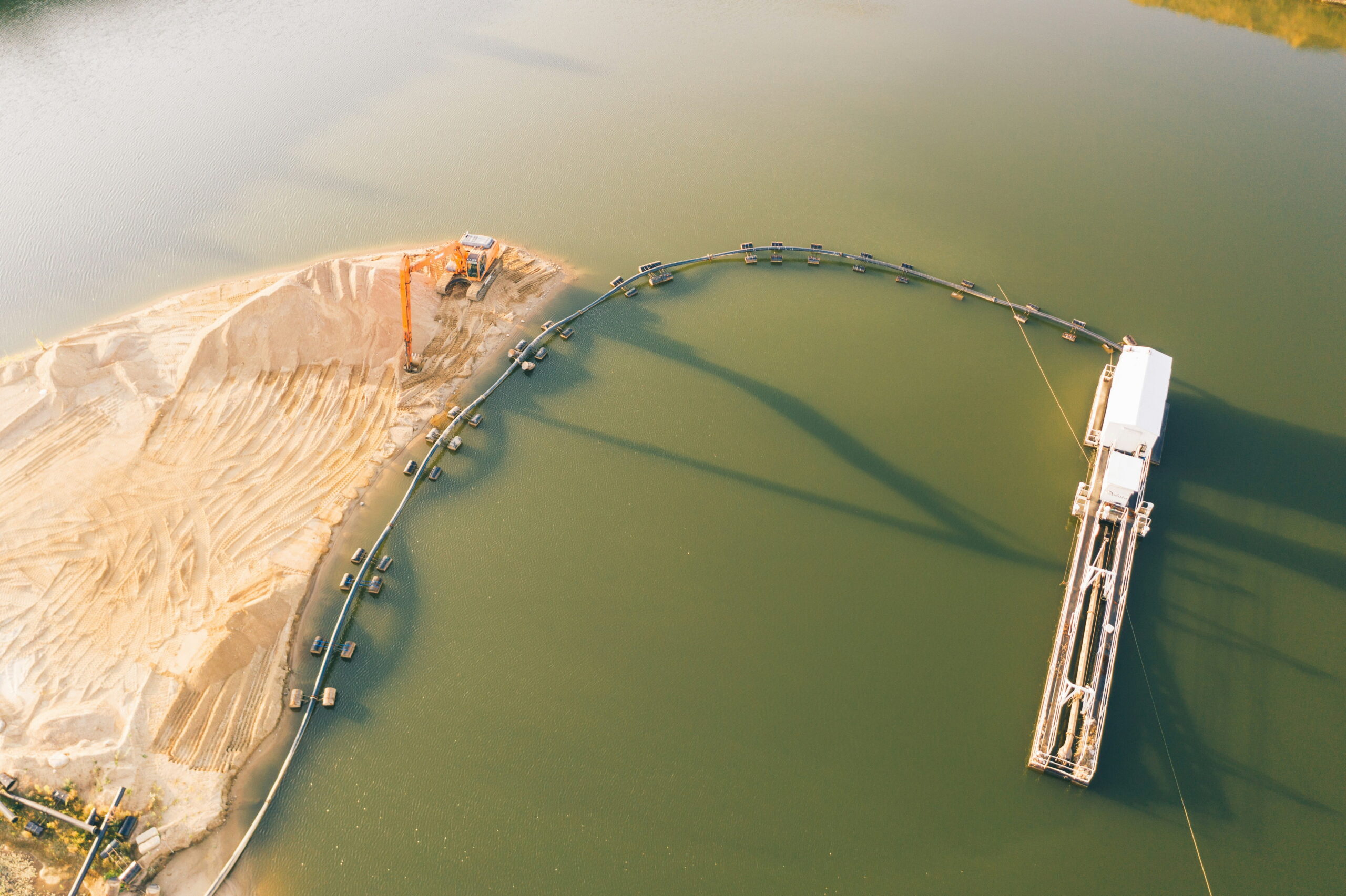
Across India’s rivers, a quiet but relentless extraction continues, one that rarely makes sustained headlines but leaves irreversible scars. Illegal sand mining has evolved from a localised nuisance into a deeply organised network that feeds the construction economy while eroding ecological balance.
From the Chambal to the Yamuna, from Madhya Pradesh to Uttar Pradesh, the pattern is disturbingly similar. Riverbeds are stripped overnight, landscapes altered, and local resistance silenced. What makes this crisis more alarming is not just environmental degradation, but the growing number of public officials who have faced threats, violence, and even death while attempting to enforce the law.
When Enforcement Meets Violence
Recent years have seen multiple instances where government officials, particularly police officers, forest officials, and district administration personnel, have been attacked while acting against illegal mining operations. Vehicles have been rammed, raids have been obstructed, and in some cases, officers have lost their lives in the line of duty.
These incidents reveal a harsh truth: illegal sand mining is no longer a mere regulatory violation. It has taken the shape of an organised, often politically shielded activity where enforcement is met with direct retaliation. The State, in such situations, appears both present and powerless, issuing orders on paper but struggling to enforce them on the ground.
The human cost of this environmental crime is therefore not abstract. It is borne by individuals tasked with upholding the law, often without adequate protection or institutional backing.
Judicial Intervention: Strong Words, Limited Impact
The judiciary has repeatedly recognised the gravity of illegal sand mining. The National Green Tribunal has passed several directions aimed at regulating extraction, enforcing environmental clearances, and penalising violators. Similarly, the Supreme Court of India has, in multiple instances, described illegal mining as a serious threat to both ecology and governance.
One of the foundational rulings in this context remains Deepak Kumar v. State of Haryana (2012), where the Supreme Court mandated environmental clearance even for minor mineral mining, recognising its cumulative ecological impact.
Despite such judicial clarity, implementation remains fragmented. Orders are passed, committees are formed, but the ground reality often remains unchanged. This gap between judicial intent and administrative execution lies at the heart of the problem.
Ecological Consequences: A River System Under Siege
Sand is not merely a construction material, it is a critical component of river ecosystems. Its removal disrupts the natural flow of rivers, lowers groundwater levels, and increases the risk of floods and erosion.
Unregulated mining weakens riverbanks, destroys aquatic habitats, and alters sediment patterns. In many regions, bridges and infrastructure have been damaged due to excessive extraction beneath their foundations. What appears as a localised activity thus has far-reaching consequences, affecting agriculture, water security, and disaster vulnerability.
The irony is stark. In the pursuit of development, the very resources that sustain long-term stability are being depleted at an unsustainable pace.
The Governance Failure: Law Without Fear
India does not lack laws to regulate mining. Environmental clearances, district-level monitoring committees, and penal provisions all exist within the legal framework. Yet illegal mining thrives.
The reasons are structural. Weak enforcement mechanisms, lack of coordination between agencies, and allegations of political patronage create an environment where violations are not just possible but profitable.
For many operators, penalties are a cost of doing business. For officials, enforcement can become a personal risk. This imbalance distorts the entire regulatory framework, turning what should be a controlled activity into an unchecked enterprise.
Conclusion: A Crisis of Will, Not Just Law
Illegal sand mining in India is not merely an environmental issue it is a test of governance. It exposes the limits of law when confronted with organised economic interests and highlights the vulnerability of those tasked with enforcing it.
The recurring attacks on public officials are not isolated incidents; they are symptoms of a deeper failure. Until enforcement is strengthened, accountability ensured, and protection for officials guaranteed, judicial orders alone will not suffice.
Because in the end, the question is not whether India has laws to protect its rivers. The question is whether it has the will to enforce them.
Yeh article aapko kaisa laga?