 Siddhant Bijoliya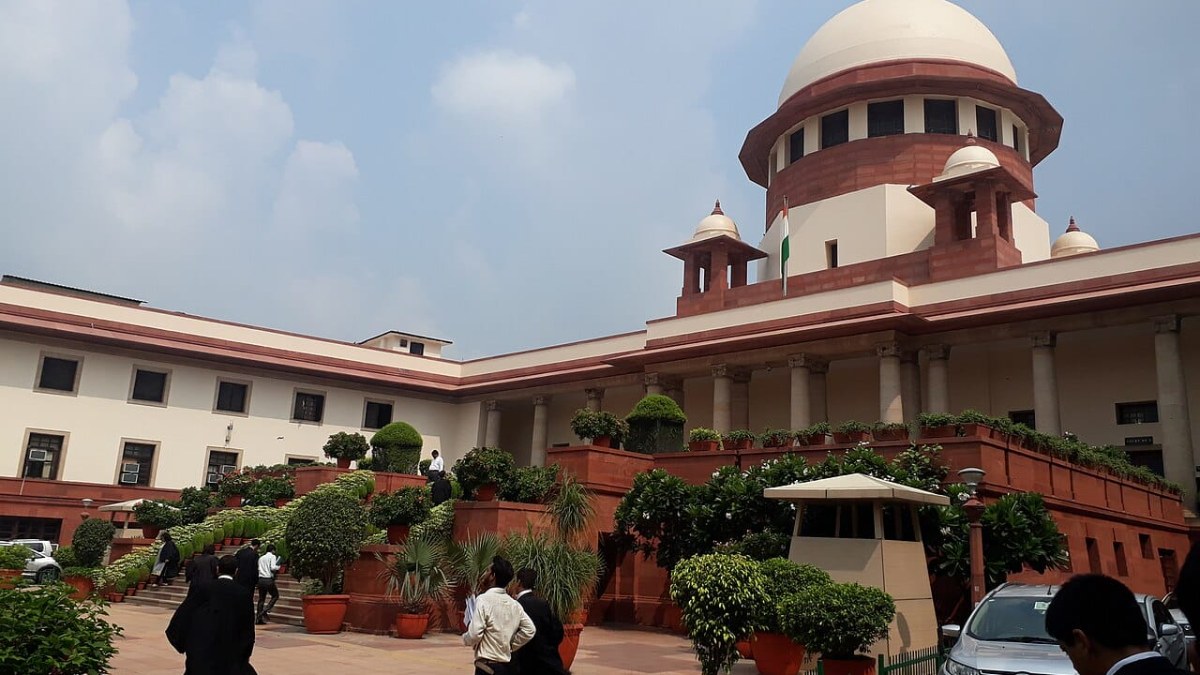
Photo: The Supreme court of India
Public Interest Litigation (PIL) was born as the “people’s court” a legal shortcut for the voiceless to knock on the doors of justice. But today, this powerful tool is finding itself in a bit of a tight spot.
While it was designed to protect the environment, human rights, and the marginalized, it’s increasingly being viewed by those in power as a “Public Interference Liability.”
The Actual Matter: What’s at Stake?
At its core, a PIL allows any public-spirited citizen to file a case on behalf of those who cannot due to poverty, ignorance, or social disadvantage. It turned judges into activists and letters into lawsuits. However, the current landscape has shifted. We are seeing a rise in what the Supreme Court itself calls “Publicity Interest Litigation.” Frivolous petitions ranging from trying to change the name of the country to seeking bans on movies because a hairstyle looked “offensive” have cluttered the dockets. This “noise” is being used as a justification to tighten the screws on the entire mechanism, putting genuine cases (like tribal rights or environmental degradation) at risk of being ignored or dismissed.
Why the Central Government is “Not a Fan”
The Central Government and PILs have a relationship status that can best be described as “It’s Complicated” (mostly leaning toward “Blocked”). Here is why the government often finds them annoying:
The Speed Bump: The government loves big infrastructure projects and swift policy changes. A PIL is like a sudden speed bump on a highway it forces a pause for environmental or social audits. To the executive, this feels like “policy paralysis.”
The Separation of Powers: The government argues that judges should stick to the law books and leave governance to the elected representatives. They feel that when a court decides where a liquor shop should be or how many toilets a school needs, it’s overstepping into the government’s kitchen.
The “Vested Interests” Argument: The government often claims that PILs are “politically motivated” or funded by foreign entities to stall India’s progress.
The Joke in the Corridors: The Central Government views a PIL the same way a teenager views a “Screen Time” notification an annoying interruption from an authority figure who doesn’t understand “how the real world works.” To them, the Judiciary is like that one neighbour who calls the police because your “Nation Building” party is a little too loud.
The Importance: That’s Being Overlooked
What the government often misses in its frustration is that PILs are the safety valves of democracy. When the executive falls asleep at the wheel or the legislature is too busy shouting over microphones, the PIL ensures the Constitution still breathes.
1. Voice for the Voiceless: It is the only way a manual scavenger or a displaced forest dweller can look the State in the eye.
2. Environmental Shield: Most of India’s green cover exists today because a PIL stopped a bulldozer.
3. Accountability: It reminds the government that “majority rule” doesn’t mean “absolute rule.” Even if you have 300+ seats in Parliament, you still have to follow the rule book.
Conclusion
There is no doubt that PILs need a “spam filter“ However, making it harder to file PILs or labelling every activist a “troublemaker” is a dangerous path.
If we stifle the PIL, we don’t just stop “interference“; we stop justice. The government might find the courts intrusive, but in a healthy democracy, a little judicial “nosiness” is exactly what keeps the executive honest. Let’s fix the abuse of the process, but let’s not lock the door to the temple of justice.