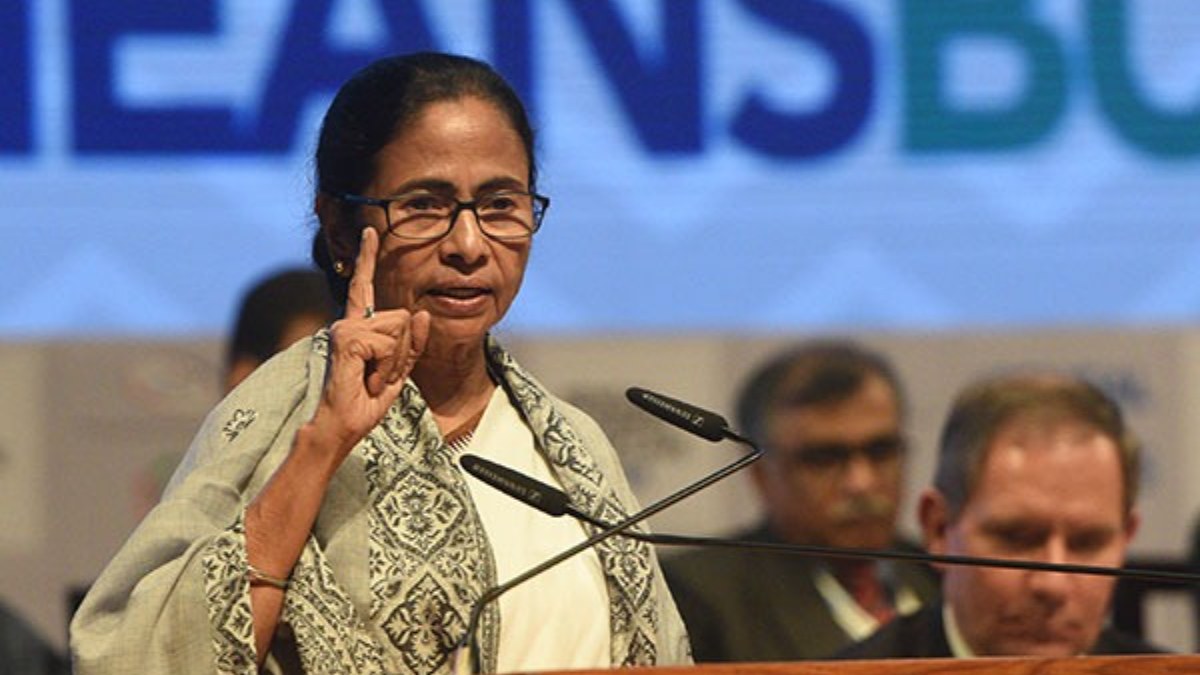
Chief Minister of West Bengal and All India Trinamool Congress leader, Mamata Banerjee giving a speech at Bengal Business Conclave – Digha 2019.
|Written By Siddhant Bijoliya|
As the morning sun rises over the Brahmaputra in Assam and the bustling streets of Kolkata, there is a familiar, electric hum in the air. It’s April 2026, and for millions in West Bengal and Assam, the “festival of democracy” isn’t just a headline it’s a lived reality. Today, April 9, 2026, marks a pivotal moment in this journey: while Assam heads to the booths in a high-stakes single-phase battle, West Bengal is in the thick of its final nomination hurdles, gearing up for its first phase of voting later this month.
Assam: The One-Day Sprint
In Assam, the wait is over. Today is polling day for all 126 assembly seats. From the lush tea gardens of Upper Assam to the riverine islands of the Lower reaches, voters are lining up to decide the state’s direction for the next five years.
The atmosphere is a blend of tradition and modern political maneuvering. Chief Minister Himanta Biswa Sarma, leading the BJP-led alliance, is pitching a message of continuity and “double-engine” growth. On the other side, the Asom Sonmilito Morcha, a broad coalition led by Congress’s Gaurav Gogoi, is banking on a narrative of protecting identity and addressing economic anxieties.
Beyond the manifestos, the “human” updates are what stand out. We see elderly voters being carried to booths in rural areas, and first-time voters—part of the 2.5 crore eligible citizens taking selfies with inked fingers. It’s a day where the tea tribe worker and the urban professional hold equal power, a simple yet profound reminder of what’s at stake.
Bengal: The Two-Phase Marathon
While Assam votes today, West Bengal is operating on a different tempo. The Election Commission has condensed the usual multi-week schedule into a two-phase format this year.
Phase 1 (April 23): Covering 152 seats.
Phase 2 (April 29): Covering the remaining 142 seats.
Today, April 9, is the deadline for filing nominations for the second phase. In district offices across the state, candidates are marching in with supporters, drums, and colors. The air is thick with the scent of marigold and political slogans.
Chief Minister Mamata Banerjee is seeking a historic fourth term, leaning heavily on her “Ma, Mati, Manush” (Mother, Land, People) philosophy and social welfare schemes like Lakshmir Bhandar. Meanwhile, the BJP, led by figures like Suvendu Adhikari, is focusing its campaign on law and order and anti-incumbency. The Left-Congress alliance is also working hard to reclaim its “third space,” focusing on student issues and job creation.
What’s New This Time?
The 2026 elections feel different. The “vibe” is more digital, yet the ground-level connection remains essential.
Tech with a Touch: For the first time, AI is being used by parties to personalize messages, but nothing beats the Paara Baithak (neighborhood meeting) or the Chai pe Charcha where the real debates happen.
Weathering the Heat: With April temperatures climbing, the Election Commission has ensured basic amenities like drinking water and shaded waiting areas at all booths.
The Result Date: Both states are looking toward May 4, 2026, the day of counting.
The Human Element
At the heart of these elections are the people. It’s the shopkeeper in Siliguri talking about the price of essentials, and the weaver in Sualkuchi discussing heritage.
Whether it’s the single-day “sprint” in Assam or the two-phase “marathon” in Bengal, the spirit remains the same: a collective hope for a better future, written one ballot at a time.