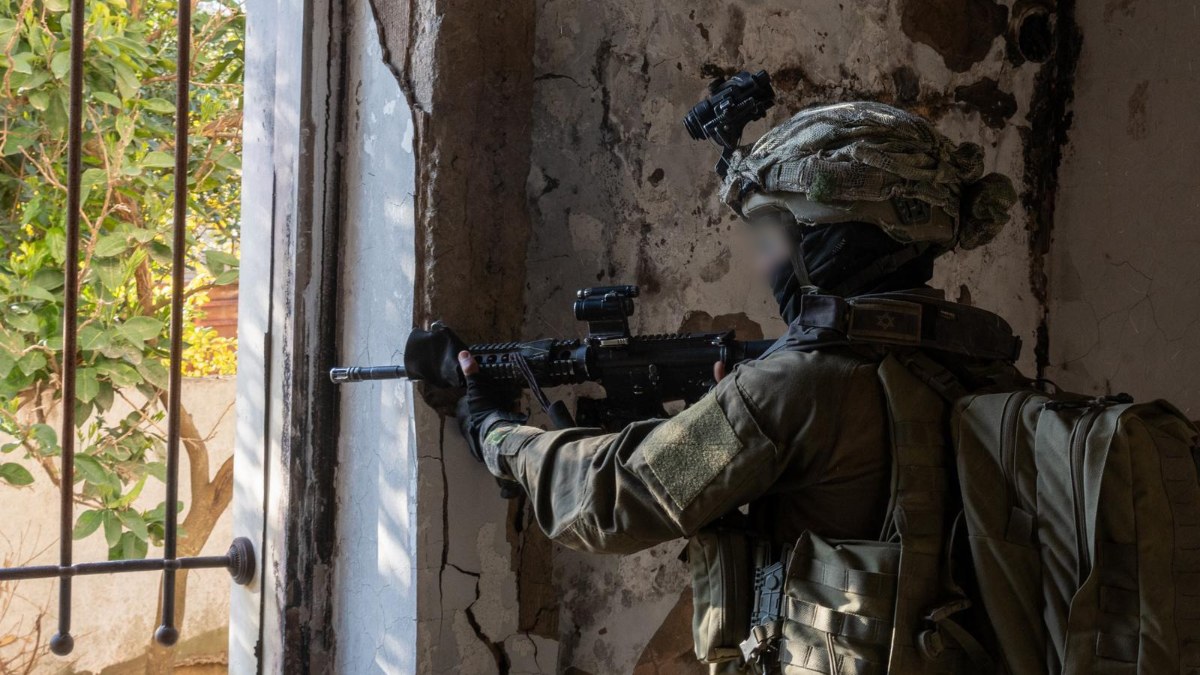
Photo: IDF Spokesperson’s Unit
By explicitly urging the nation to prepare for long-term shocks “just like the times of Covid,” the Prime Minister quietly admitted a harsh truth. The comforting idea that India can easily protect its economy from a falling Middle East just by staying neutral is completely broken.
| Written by Ahad Khan |
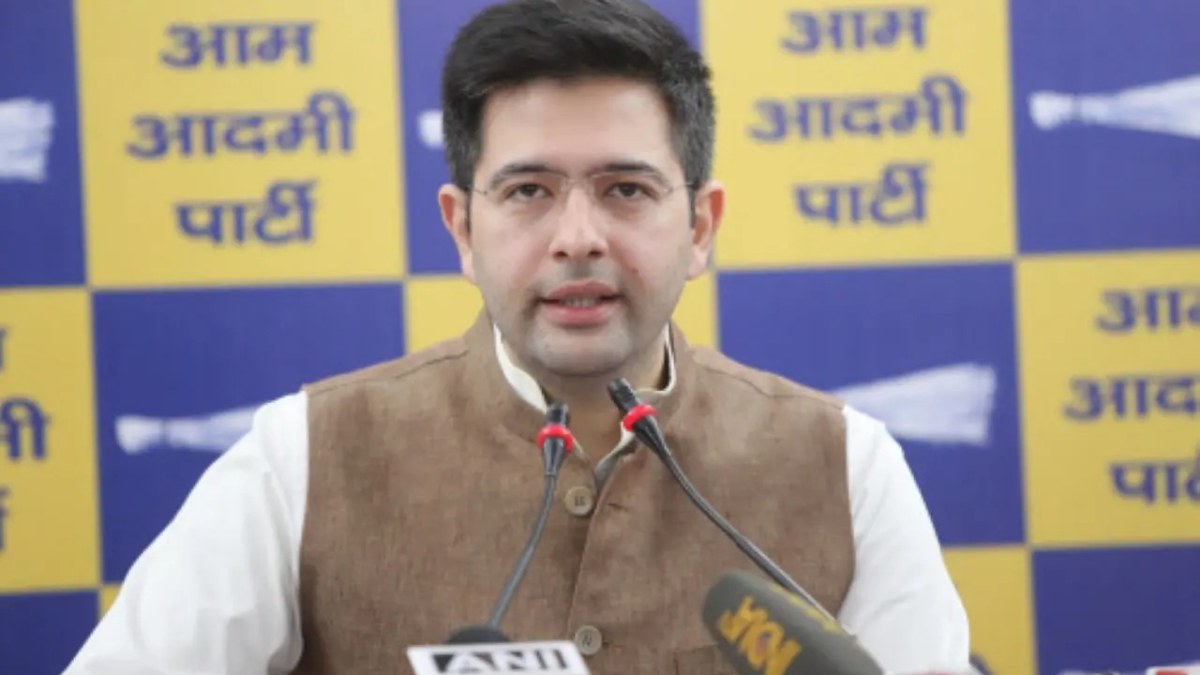
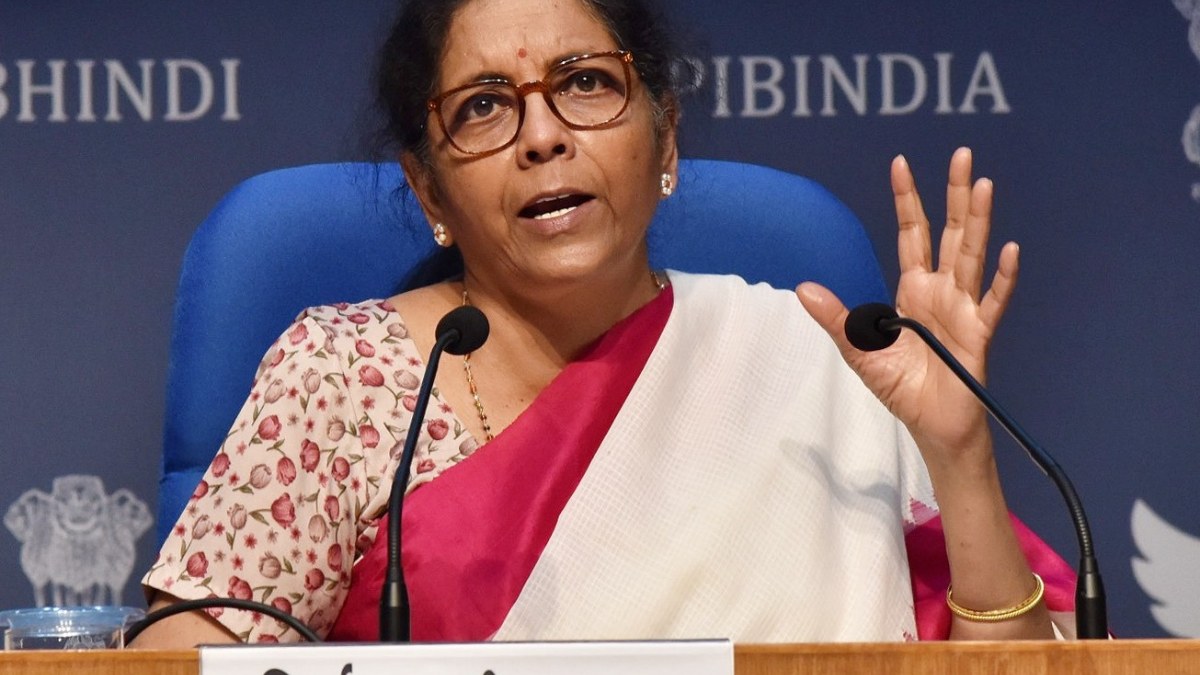
When Prime Minister Narendra Modi spoke to the Lok Sabha on March 23, politicians expected a celebration. Bringing over 3.75 lakh Indians home safely from the dangerous Gulf region was supposed to be the main highlight, proving that India’s foreign policy was working. Instead, parliament received a frightening warning about the economy.
The Choice to Stay Silent
The real weight of the Prime Minister’s 25-minute speech was not in the numbers he shared, but in what he chose to leave out. While talking about a war started by the US and Israel killing Iran’s Supreme Leader, he managed to finish the speech without blaming Washington or Tel Aviv even once. This silence shows how delicate India’s global position really is.
India cannot afford to upset the United States, which is its main partner for security and technology in the Indo-Pacific. At the same time, it cannot afford to anger Iran, an old friend that controls the entrance to the Persian Gulf. The speech was a careful attempt to prepare the Indian public and the markets for a coming economic crisis without causing instant panic.
The Hard Math of Our Weakness
Many people like to believe the comforting story that India’s policy of staying independent acts as an unbreakable shield for our economy. However, the harsh truth of modern war and global trade proves this wrong. Having great relationships with both the US and Iran does nothing to stop a missile from hitting an oil ship, and it does not reduce the rapidly rising costs of shipping insurance.
The Prime Minister said that blocking important sea routes like the Strait of Hormuz is unacceptable. But what is acceptable does not matter in a war for survival. With almost twenty percent of the world’s oil supply blocked by revenge attacks, India’s neutral stance cannot magically lower the rising global price of fuel.
The hard facts of this conflict pose a huge threat to the Indian middle class. The government is right to point out that it is buying energy from 41 different countries, but the core weakness is still there. India still imports about 85 percent of its crude oil and 60 percent of its cooking gas.
If the Strait of Hormuz remains a war zone, huge price rises in energy will quickly affect every part of the Indian economy. This will sharply increase the cost of making goods, transporting them, and buying basic food items. The recent emergency meetings by top security officials were not just about foreign policy. They were internal crisis meetings aimed at stopping people from illegally hoarding goods and preventing severe fuel shortages inside India.
The Threat to Indian Workers
Beyond the sudden fuel crisis, India is facing a massive population and financial disaster that neutrality cannot fix. Bringing 3.75 lakh Citizens home is a huge achievement, but it is only a tiny part of the nearly nine million Indians who live and work in the Gulf. These workers are the main support for India’s foreign money reserves, sending tens of billions of dollars back home every year.
If the Middle East is slowly destroyed by a long and exhausting war, India faces a terrifying double threat. The country risks losing its biggest source of foreign money while suddenly having to find jobs for millions of returning, unemployed citizens. This would happen in a local job market that is already struggling to provide enough work.
The End of the Balancing Act
The Prime Minister’s speech must be a harsh wake-up call for thinkers and politicians. The time of believing that India can just balance its way out of global disasters is over. Staying neutral is a political choice, not an economic shield. As the leadership gap in Tehran grows and the United States prepares for a long stay in the region, India needs to stop praising its own clever diplomacy. Instead, it must act fast to make the country stronger from the inside.
The nation must quickly speed up its shift to renewable energy, increase its emergency oil storage, and build supply lines that cannot be broken by war. The fires of the Middle East do not care if India is neutral. India must immediately build the economic defenses needed to make sure it does not burn along with them.