Image Credits: Creative Commons
| Written by Siddhant Bijoliya |
In our daily lives, we often take energy for granted. We flip a switch, and the light comes on; we press a pedal, and the car moves. However, behind these simple actions lies a complex web of global politics, massive economies, and strategic “chokepoints” that can make or break a nation. To understand why superpowers like the U.S., China, or Russia care so much about oil, we have to look at energy not just as a fuel, but as the very lifeblood of modern civilization.
1. Energy: The Engine of the Economy
Imagine a country’s economy as a giant factory. To keep the machines running, the lights on, and the delivery trucks moving, you need a constant, reliable flow of power.
- Production and Costs: Almost everything you buy from a loaf of bread to a smartphone requires energy to create and transport. When energy prices rise, the cost of making and moving these goods goes up. This leads to inflation, where your money buys less than it did before.
- National Stability: A country that cannot provide cheap, reliable energy to its citizens often faces social unrest. Protests frequently spark over rising fuel or electricity prices because they hit the “common man” directly in the pocketbook.
- The Multiplier Effect: For every dollar spent on energy, there is a “multiplier effect.” Cheap energy allows businesses to expand, hire more people, and lower the prices of their products, fueling overall economic growth.
2. Why Superpowers Obsess Over Oil
You might wonder: “In an age of solar panels and electric cars, why does oil still matter?” The answer is scale and density. While green energy is growing fast, oil remains the most concentrated and portable form of energy we have for heavy lifting, think of massive cargo ships, airplanes, and the heavy machinery used in construction and farming.
For a superpower, controlling or having guaranteed access to oil is about security:
- Military Might: A superpower’s military is an energy-hungry beast. Tanks, jets, and aircraft carriers require immense amounts of fuel. Without oil, a superpower’s “reach” disappears.
- Geopolitical Leverage: If a country produces a lot of oil (like the U.S., Saudi Arabia, or Russia), it can use that oil as a “carrot” or a “stick” in international negotiations. They can reward allies with cheap energy or punish rivals by cutting off the supply.
3. The World’s “Chokepoints”: The Strait of Hormuz
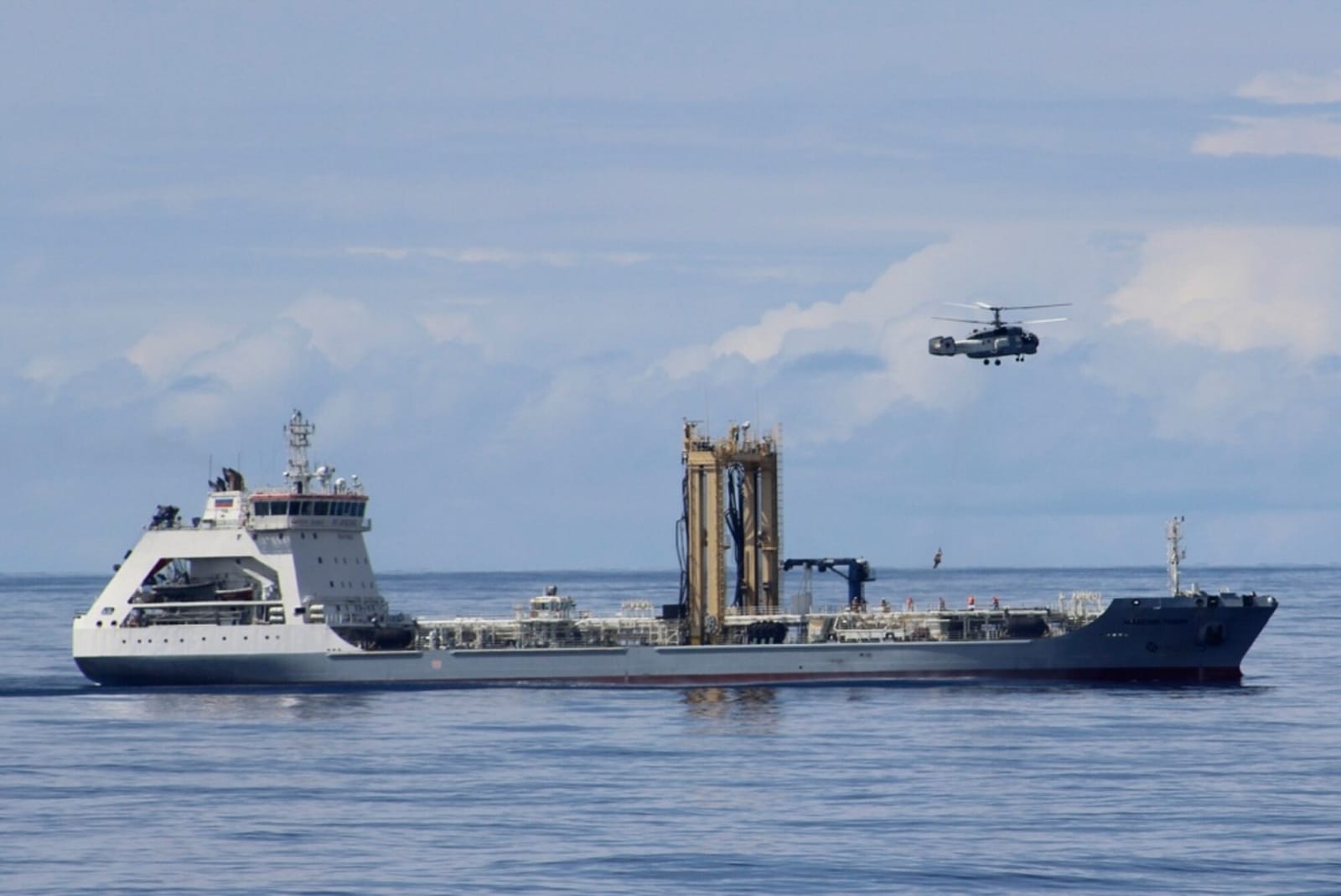
The world’s energy doesn’t just flow through pipes; much of it travels across the ocean in massive tankers. However, geography has created several “bottlenecks” known as maritime chokepoints. These are narrow waterways that tankers must pass through to get from the oil fields to the rest of the world.
The most famous is the Strait of Hormuz, a tiny strip of water between Oman and Iran.
- The Stats: About 20% to 21% of the world’s daily oil consumption passes through this one narrow gap.
- The Vulnerability: Because it is so narrow (only about 21 miles wide at its narrowest point), it is incredibly easy to block. In 2026, we have seen how even a temporary disruption or a military conflict in this region can cause global oil prices to skyrocket sometimes jumping by 40% or more in just a few weeks.
When a chokepoint like Hormuz is threatened, the entire world feels it. A blockade there doesn’t just hurt the Middle East; it causes gas prices to rise in London, factory layoffs in Shanghai, and food price hikes in New York.
4. The Shift: Resilience and the Future
As of 2026, the world is in a tug-of-war. On one hand, countries are trying to build “energy resilience” by moving toward renewables like wind, solar, and hydrogen. This reduces their dependence on foreign oil and makes them less vulnerable to chokepoint disruptions. On the other hand, the transition is slow, and the world still consumes millions of barrels of oil every day.
Conclusions
Oil and energy are the invisible foundations of our modern world. For the common man, it is the difference between an affordable life and a constant struggle against rising costs.
As long as our ships, planes, and factories rely on fossil fuels, narrow strips of water like the Strait of Hormuz will remain the most important real estate on the planet. The goal for the future isn’t just to find more oil, but to diversify energy sources so that no single “chokepoint” can hold the world’s economy hostage.
How do you see energy costs affecting your own local community lately? Tell Us in Comment Section.