Photo: Pbuddenberg, CC BY-SA 4.0
In the world’s largest democracy, the media is traditionally hailed as the “Fourth Pillar.” However, in 2026, that pillar appears increasingly precarious, weathered by the corrosive forces of fake news, ideological bias, and a profound sense of institutional hypocrisy.
| Written by Siddhant Bijoliya |
While newsrooms claim to be the voice of the people, the gap between journalistic ethics and daily broadcasts has never been wider, leaving the Indian public caught in a crossfire of manufactured narratives.
The Anatomy of Selective Outrage
The most visible form of media hypocrisy in India is selective outrage. A single incident in one state can trigger weeks of high-decibel “primetime trials” if it fits a specific political narrative, while similar or more egregious events elsewhere are relegated to a scrolling ticker. This cherry-picking of news doesn’t just inform; it manipulates. By magnifying certain issues and silencing others, media houses act less like impartial observers and more like political proxies.
The Business of “Fake” and “Fast”
The digital age has replaced the pursuit of truth with the pursuit of TRPs (Target Rating Points). In the race to be “first,” verification is often the first casualty.
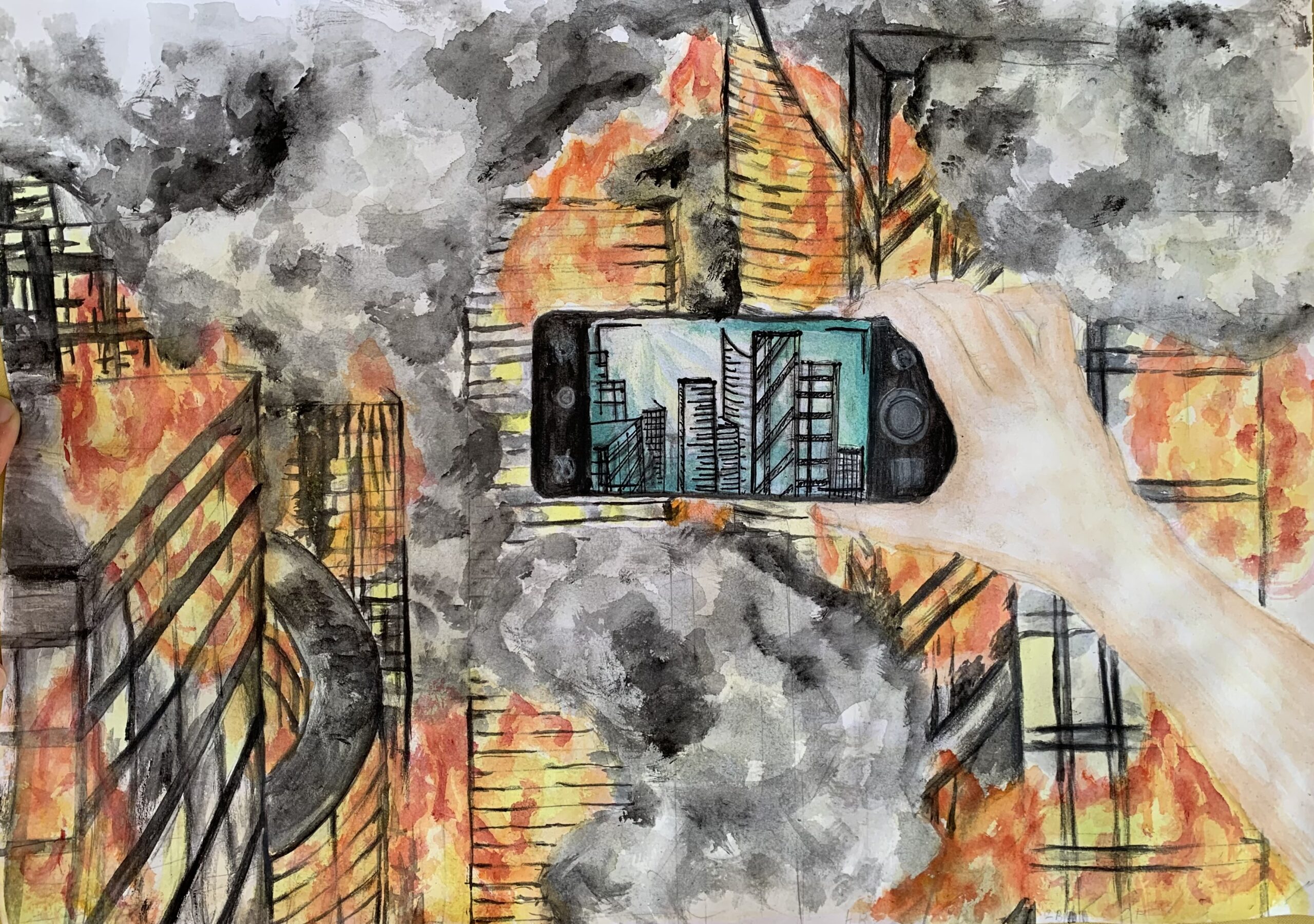
Fabricated Visuals: In recent years, mainstream channels have been caught broadcasting CGI-simulated “war zones” or repurposing old video game footage as “exclusive” defense breakthroughs.
Deepfakes and AI: With the rise of synthetic media, the ability to verify content has plummeted. Instead of acting as a filter, many outlets amplify unverified social media clips, giving them a veneer of institutional legitimacy.
The Public Trust Deficit
The impact on the Indian public has been devastating. According to recent trust barometers, while India remains a high-consumption news market, the credibility of legacy media is at an all-time low. The public is increasingly aware that the “news” they consume is often a curated product designed to evoke emotion rather than provide information.