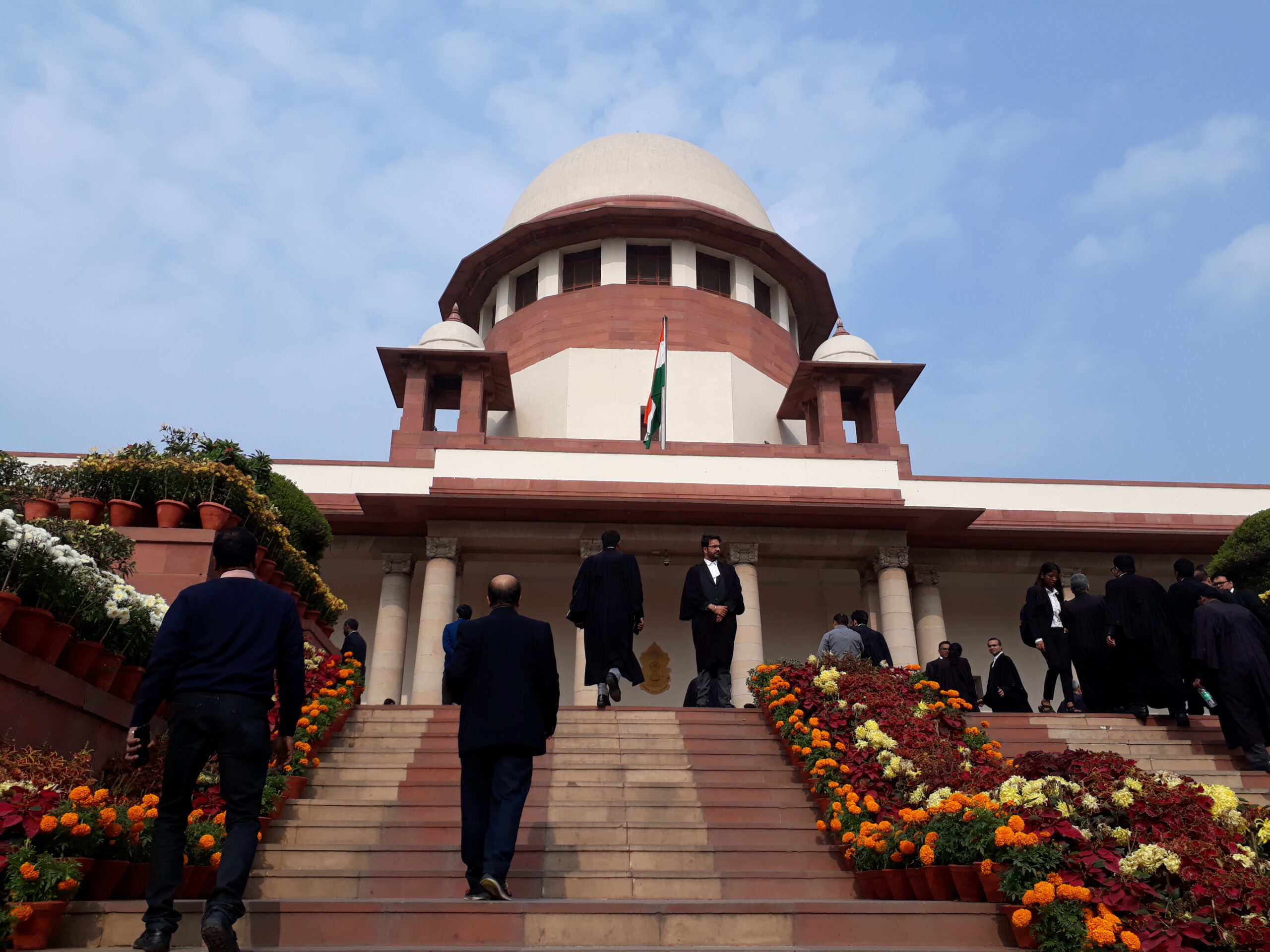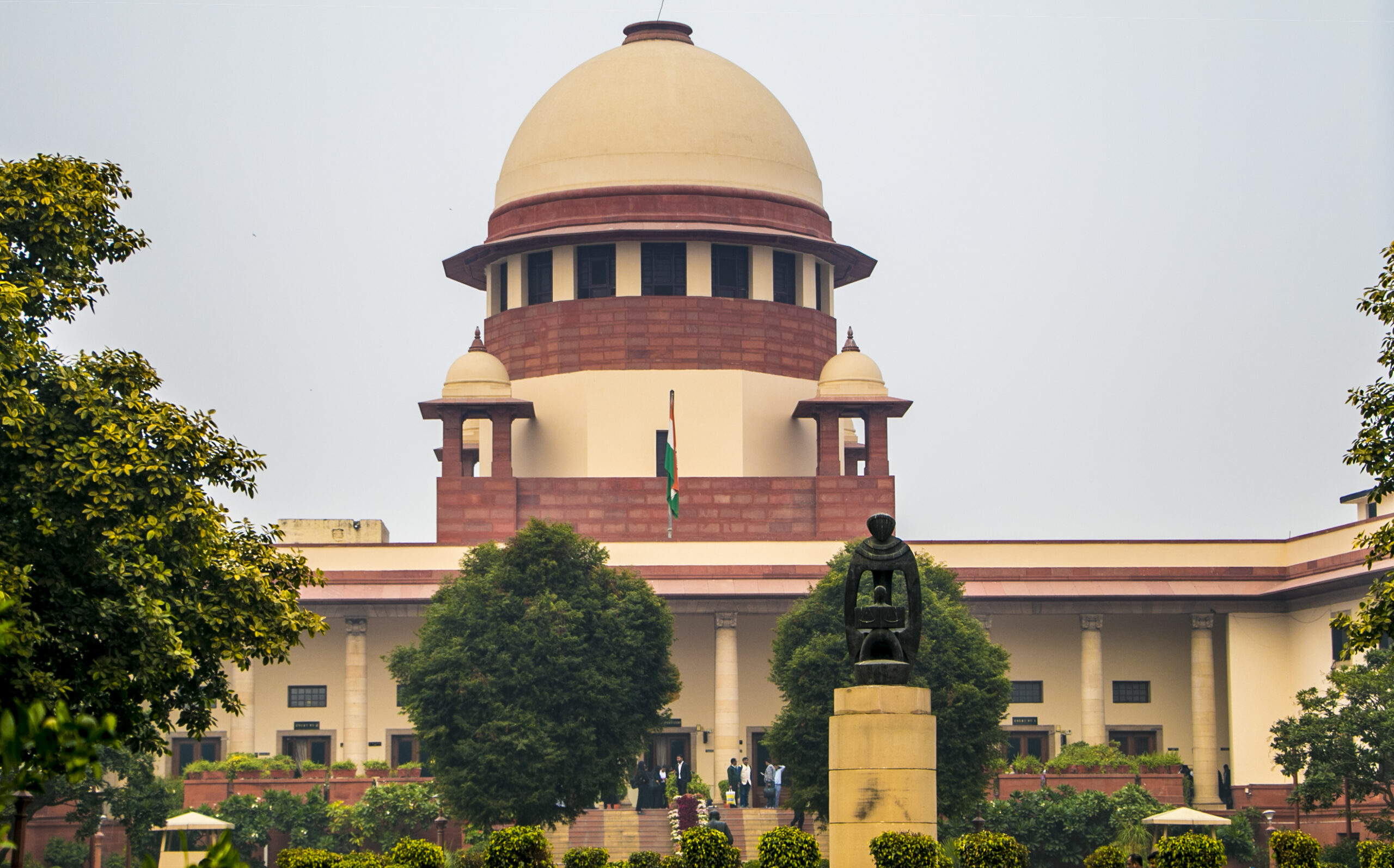
Photo: Subhashish Panigrahi, CC BY-SA 4.0
New Delhi, today: the Supreme Court of India made a massive statement regarding the rights of Muslim women, openly declaring that a Uniform Civil Code (UCC) is “the answer” to the current legal inequalities.
| Written by Ahad Khan |
This did not happen in a vacuum. The court was hearing a petition that directly challenged the Muslim Personal Law (Shariat) Application Act of 1937. For anyone following the intersection of gender justice and religious law, this is a highly critical moment.
Unequal Shares
The petition, argued by Advocate Prashant Bhushan, highlighted a long-standing issue: under the traditional interpretations of Shariat law, a Muslim woman often receives a significantly smaller share of family inheritance compared to a male heir (for example, a daughter gets half of what a son gets). The petitioners argued that this directly violates a woman’s fundamental right to equality guaranteed by the Indian Constitution.
Fear of a “Legal Vacuum”
While the three-judge bench, led by Chief Justice of India (CJI) Surya Kant, acknowledged that the petitioners had a “very good case” regarding discrimination, they refused to immediately strike down the 1937 Act. Why?
The court’s main concern is a legal vacuum. If the Supreme Court simply cancels the Shariat inheritance law today, there is currently no specific alternative law to take its place for the Muslim community.
CJI Kant put it very clearly: “In our over-anxiety for reforms, we may end up depriving them, and they might end up getting less than what they are already getting.” When the petitioners suggested that the general ‘Indian Succession Act’ could automatically apply if the Shariat law is removed, the judges were not convinced.
Instead, CJI Kant and Justice Joymalya Bagchi firmly stated that the most effective way to fix this asymmetric, unequal property right is for the elected government to step up. They concluded that it is better to defer this to the “wisdom of the legislature” to enact a Uniform Civil Code (UCC) for all citizens, rather than the court trying to patch the problem with judicial orders.
The Overall Gravity of the Situation
The gravity of today’s hearing is immense. The Supreme Court is drawing a hard line on its own limitations. The court is essentially telling the nation that while it can strike down specific practices (like it did with Triple Talaq in 2017), restructuring an entire community’s inheritance system is too complex for a court order.
By officially stating that “UCC is the answer,” the Supreme Court has tossed the ball directly into Parliament’s court. It reignites the most divisive constitutional debate in India: balancing a community’s right to religious autonomy against a woman’s absolute right to gender equality. The court adjourned the matter today, asking the petitioners to amend their plea with better alternative solutions.
Do you agree with the Supreme Court that striking down discriminatory personal laws should be the job of the Parliament through a UCC, or should the courts step in immediately to protect women’s equal rights? Drop your thoughts in the comments below!