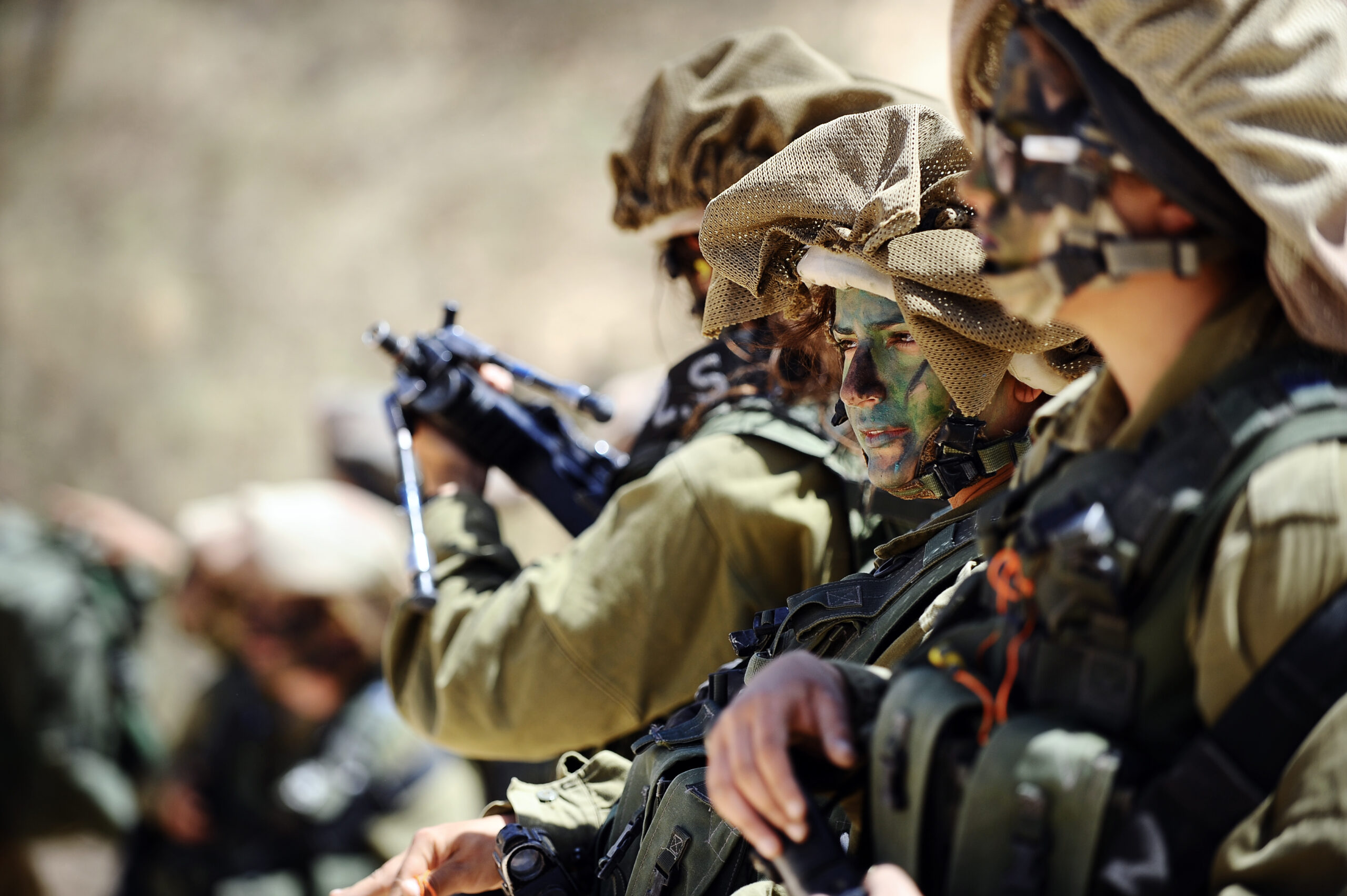
Photo: Israel Defence Force, flickr, CC BY-SA 3.0
New Delhi, The escalating conflict in West Asia involving Iran, Israel, and the United States has triggered global concern, with former U.S. President Donald Trump claiming the war could “end soon.” However, he warned Iran against taking retaliatory steps, saying that if Tehran attempted “anything cute,” the United States would respond with overwhelming force.
| Written by Anshika Chauhan |
Trump’s remarks come amid heightened tensions following a large-scale military operation reportedly carried out by the United States and Israel targeting strategic sites inside Iran. According to Iranian state media, the strikes killed several senior military leaders and the country’s Supreme Leader, Ali Khamenei, who was 86. The operation has been described by analysts as the most significant attack on Iranian territory in decades.
The Israel Defense Forces (IDF) stated that its fighter jets eliminated multiple high-ranking figures from Iran’s defense leadership during the coordinated strikes. Among those reportedly killed were senior commanders including Aziz Nasirzadeh and Mohammad Pakpour. Independent verification of all casualties is still underway.
Iran has vowed a strong response, raising fears of further escalation across the Middle East. Global leaders and security analysts warn that retaliatory strikes or proxy conflicts could destabilize the wider region and disrupt international energy markets.
Political Turmoil in India
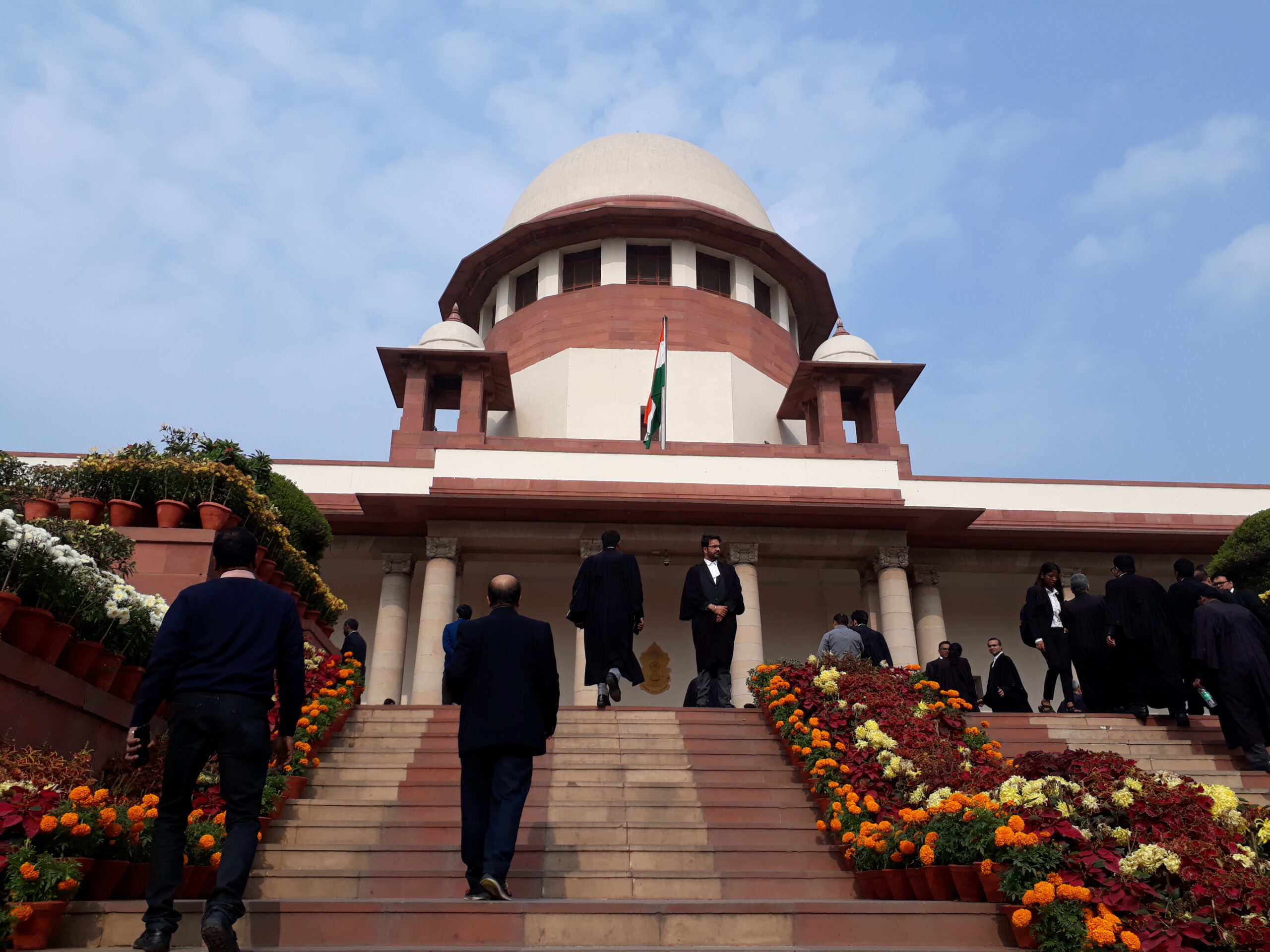
The crisis also reverberated in India’s Parliament during the ongoing Budget Session. Both Houses witnessed intense protests as Opposition members demanded a discussion on the West Asia conflict.
India’s External Affairs Minister S. Jaishankar addressed Parliament, outlining the government’s efforts to evacuate and assist Indian nationals stranded in Gulf countries due to the conflict. He also reassured lawmakers that India’s energy security remained stable and highlighted three guiding principles shaping New Delhi’s response to the crisis.
Despite the statement, Opposition members continued protests, leading to repeated disruptions. The Lok Sabha was adjourned for the day without conducting substantial business.
Leader of the House in the Rajya Sabha, J. P. Nadda, accused Opposition parties of creating “anarchy” inside Parliament. Parliamentary Affairs Minister Kiren Rijiju said the government was willing to debate the issue but criticized the manner of protests.
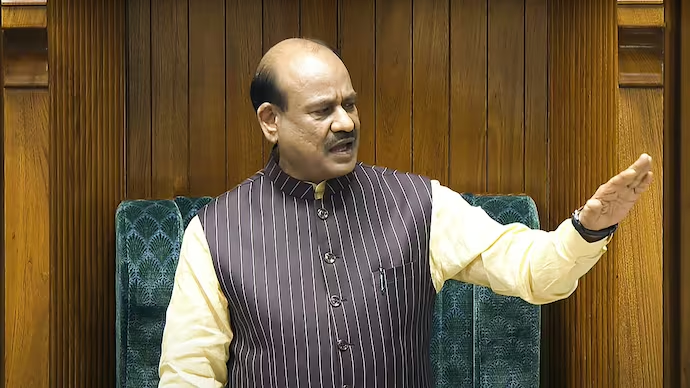
Meanwhile, the Lok Sabha was also expected to debate a resolution seeking the removal of Speaker Om Birla, signed by 118 Opposition MPs including Mohammad Jawed, K. Suresh, and Mallu Ravi. However, the discussion could not take place due to the disruptions.
Global Implications
The intensifying conflict has raised concerns about regional stability, oil supply disruptions, and the safety of foreign nationals across the Gulf region. India, which has a large diaspora in West Asia and depends heavily on energy imports from the region, is closely monitoring developments while preparing contingency plans.
As diplomatic channels remain active, international observers say the coming days will be critical in determining whether the conflict de-escalates or expands into a broader regional confrontation.