
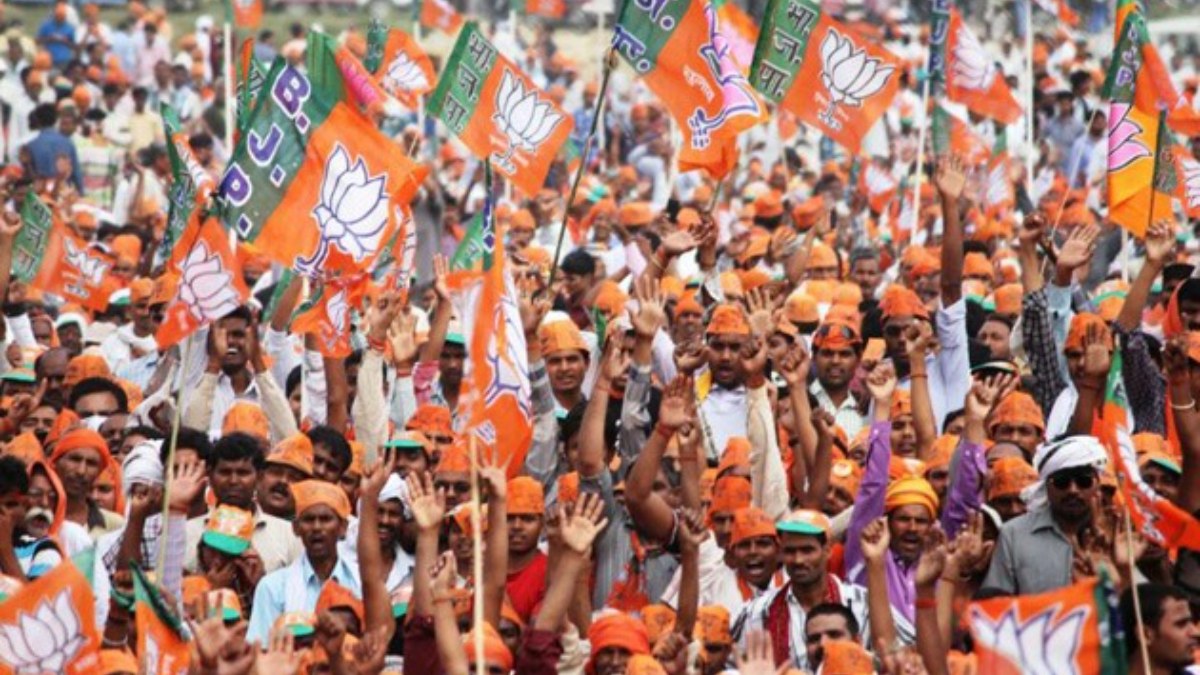
Photo: Bharatiya Janata Party, CC BY-SA 2.0
Demonetization may not have been, but SIR and Delimitation 2026 operations are the real masterstrokes by the BJP. For the first time in 12 years, a Constitutional Amendment Bill introduced by the ruling party failed in Parliament. Yet, it successfully imprinted a damaging image on the Opposition. It strategically branded them as anti-women in the public eye.
The real masterstroke was how the Delimitation Bill was cleverly introduced. It was hidden in the shadow of the Women’s Reservation Act, 2023. This law was already enacted previously. The party turned the game to their side flawlessly. They brought the act back to provide a moral cover for the Delimitation Bill. They aggressively created a necessity for the seat expansion to enforce the women’s reservation. This brilliant manipulation makes the SIR and Delimitation 2026 strategy the ultimate political trap.
The Trap Behind SIR and Delimitation 2026
During the parliamentary debates on 16th of April, the Prime Minister made a calculating and confident statement. He boldly stated, “If they oppose, it is natural I will gain political benefit,” This prediction was entirely accurate. The Delimitation Bill failed in the vote, but the political narrative was won instantly.
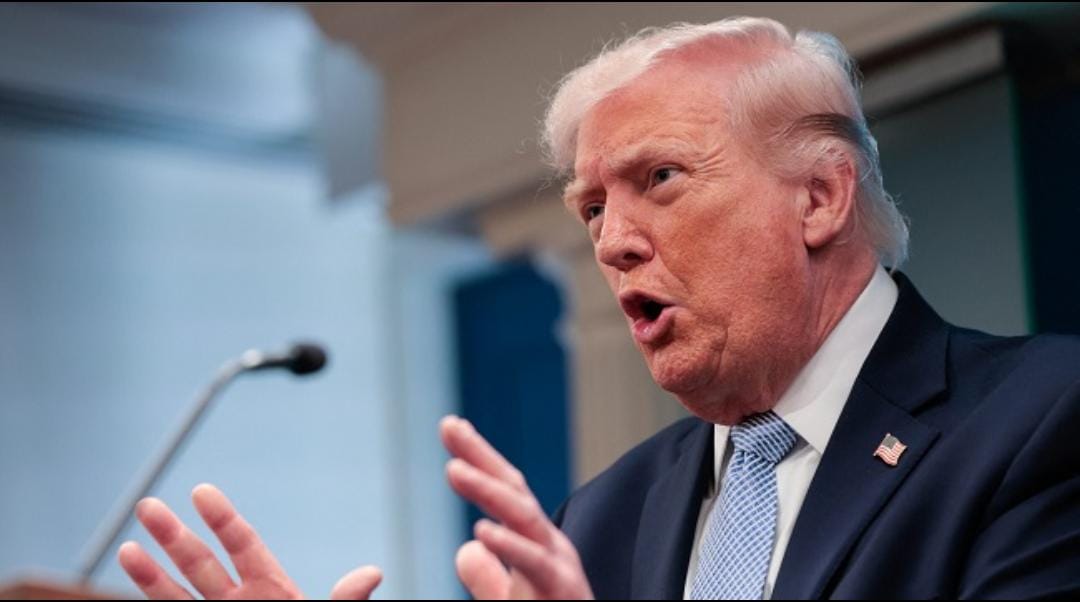
On Saturday evening, PM Modi addressed the nation directly. He wasn’t talking about standard national issues or policies. Instead, he spoke strictly as a BJP spokesperson to mock the Congress party. He mocked them extensively over their defeat of the Delimitation Bill in Parliament.
However, this national broadcast sparked severe controversy regarding electoral ethics. Opposition leaders and legal observers quickly pointed out that using a prime national address to push a clear political agenda and attack rival parties could be seen as a violation of the Model Code of Conduct (MCC). While it remains up to the Election Commission to evaluate such complaints, the narrative damage to the opposition was already executed.
Following this broadcast, female members of the ruling party began protesting vigorously. From April 16th onwards, these demonstrations took place inside the halls of Parliament and spilled out directly in front of the residences of key opposition leaders, ensuring the national media cycle remained entirely focused on the gender equality narrative.
The Opposition’s Dilemma: Federal Power vs. Gender Equality
In the face of these aggressive protests, the Opposition found themselves caught in a difficult public relations dilemma. Their official stand on the matter is clear, though complex to explain in short media soundbites.
Opposition leaders have repeatedly stated that they unequivocally support women’s reservation and want female leaders to have equal representation immediately. However, they firmly oppose the delimitation clause attached to it. Under the 84th Amendment passed in 2001, delimitation was frozen until the first census published after 2026. The Opposition argues that expanding the Lok Sabha seats based purely on current population metrics would permanently shift federal voting power away from the Southern states, which have successfully managed their population growth over the decades and hand massive electoral control to the densely populated Hindi heartland.
The Silent Erasure: Millions Purged in Voter Revisions
To truly understand the scale of this political strategy, political analysts suggest looking beyond the protests and asking what would have happened if the Delimitation Bill had actually passed.
If the bill had become law, it would not have acted in isolation. It coincided with a much larger timeline involving the massive updating of voter lists. Just months prior to the delimitation push, the Election Commission of India (ECI) launched the Special Intensive Revision (SIR). Officially presented as a routine bureaucratic exercise meant to clean up duplicate names and deceased individuals from the electoral rolls, official ECI data indicated it resulted in the massive deletion of nearly 5.98 crore voters nationwide.
If the delimitation had passed, the ruling party would have been expanding parliamentary seats in regions where they are traditionally strong, right after millions of voters had been removed from the system.
Opposition parties have raised serious allegations regarding the SIR process. They claim that the names of Muslims, Other Backward Classes (OBCs), and Scheduled Castes (SCs) were disproportionately targeted and struck from the voter lists. The political reasoning behind these claims is that these specific demographic groups historically vote for the Congress party and other regional opposition forces.
Untouchable Referees: The CEC Act and Absolute Immunity
A structural shift of this magnitude requires the cooperation of the officials overseeing the elections. To understand how this political blueprint operates, experts point to the recent legislative changes surrounding the Chief Election Commissioner (CEC) appointments.
In December 2023, the government passed the Chief Election Commissioner and Other Election Commissioners Act. Previously, the Supreme Court had mandated a neutral panel that included the Chief Justice of India to ensure fairness. However, this new legislation removed the Chief Justice from the selection panel, replacing him with a Union Cabinet Minister. This effectively gives the ruling party a legal 2-1 majority to handpick the Election Commission.
More concerning to legal experts is the immunity granted by this 2023 act. The law provides sweeping protection for election officials from civil and criminal proceedings regarding their official duties. When hearing challenges to this law, the Supreme Court of India expressed serious reservations. The court noted that this level of immunity is highly unusual, pointing out that even Supreme Court Judges do not possess such absolute legal shielding from prosecution.
The Broader Electoral Design
When analyzing these separate political, bureaucratic, and legislative actions together, political commentators see a highly organized strategy designed to secure a long-term advantage in upcoming elections.
First, the passage of the 2023 CEC Act secured an Election Commission selected by the executive branch and shielded by legal immunity. Second, the Special Intensive Revision removed millions of voters from the electoral rolls, a move opposition parties allege disproportionately affected their supporters. Finally, the attempt to pass the Delimitation Bill sought to vastly increase the number of parliamentary seats in the ruling party’s safest strongholds, using the universally supported cause of women’s reservation to deflect political criticism.
While the final step of expanding the seats was halted in Parliament, the groundwork laid by the massive voter revisions and the CEC appointments remains firmly in place. The legislative defeat may have temporarily paused the physical map expansion, but it provided the ruling party with a potent emotional weapon for their upcoming campaigns by dictating the terms of the national debate.
Yeh article aapko kaisa laga?