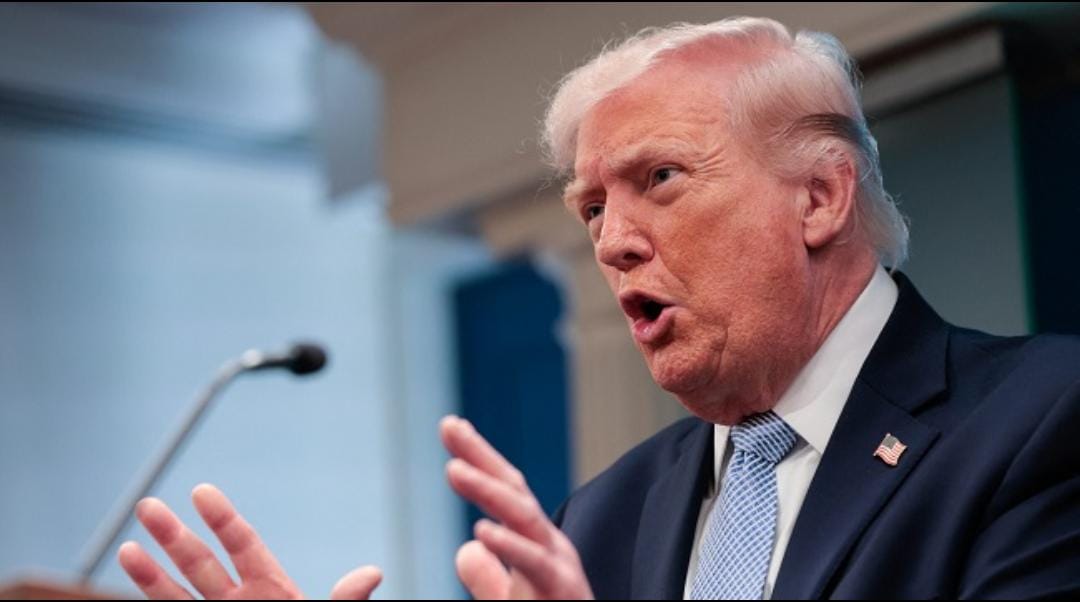

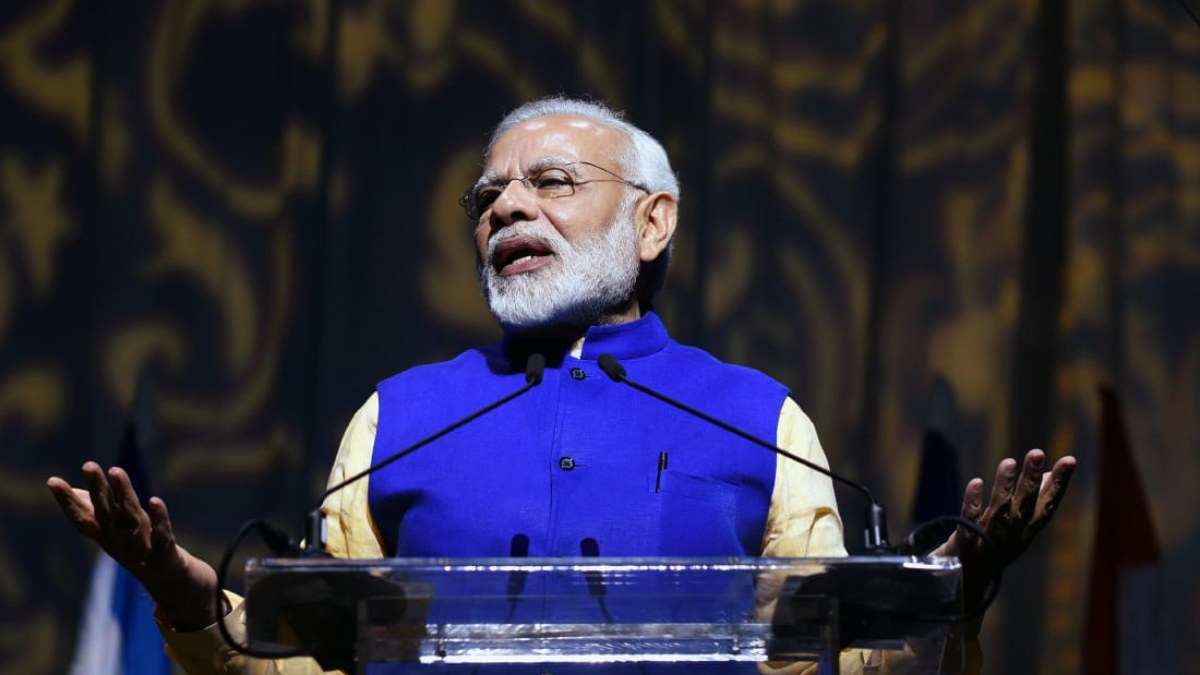
Photo: The Prime Minister, Shri Narendra Modi addressing at the Community Reception Programme, in Tel Aviv, Israel on July 05, 2017
In a strongly worded address to the nation, Prime Minister Narendra Modi sharply criticized Opposition parties following the defeat of the Constitution (131st Amendment) Bill, 2026 widely known as the Women’s Reservation Bill.
The proposed legislation, aimed at enhancing women’s representation in legislative bodies, failed to secure the required two-thirds majority in Parliament, triggering intense political reactions across the spectrum.
A Missed Opportunity for Women’s Empowerment
Expressing deep disappointment, Prime Minister Modi stated that the rejection of the bill represents a setback not only for women but for the nation as a whole. He emphasized that the legislation was intended to fulfill decades long aspirations for equitable representation.
According to him, the bill’s defeat symbolized the crushing of “the desires and dreams of women,” adding that “Nari Shakti (women’s power) and the country’s benefit have taken a hit.” The Prime Minister also condemned the celebratory reactions from sections of the Opposition benches, describing them as insensitive and dismissive of women’s aspirations.
Allegations Against Opposition Parties
The Prime Minister directed strong criticism toward major Opposition groups, particularly the Indian National Congress and its allies. He accused them of consistently obstructing efforts aimed at women’s empowerment and misleading the public on key reform initiatives.
Modi remarked that the defeat of the bill exposed what he termed the “true face” of these parties, suggesting that they failed to rise above political considerations to support a transformative reform. He expressed regret that, in his view, the Opposition missed a historic opportunity to align with the cause of gender equality.
Dynastic Politics in Focus
A significant portion of the Prime Minister’s address targeted what he described as “dynastic politics” within Opposition parties. He argued that the proposed reservation would have disrupted entrenched power structures dominated by political families.
According to Modi, such parties are reluctant to allow women from outside established political lineages to rise within their ranks. He suggested that the bill posed a challenge to their control and influence, which contributed to its eventual rejection.
“Attack on Women’s Self-Respect”
The Prime Minister went further to characterize the Opposition’s conduct during the parliamentary proceedings as an “attack on women’s self-respect.” He asserted that the act of celebrating the bill’s defeat undermined the dignity and aspirations of women across the country.
He reiterated that the proposed amendment was designed to ensure fair representation and to correct historical imbalances that have persisted for over four decades.
Political and Social Implications
The failure of the Women’s Reservation Bill marks a critical moment in India’s legislative and social landscape. While the government positioned the bill as a step toward inclusive governance, its defeat highlights deep political divisions and competing narratives on reform priorities.
The issue of women’s representation remains a significant topic in Indian politics, with advocates arguing that structural measures like reservations are essential to achieving meaningful participation in decision-making processes.
Looking Ahead
As the debate continues, the spotlight remains on how political parties will address gender equity in governance moving forward. The events surrounding the bill’s defeat are likely to influence public discourse, electoral strategies, and future legislative efforts related to women’s empowerment.
The coming months may determine whether consensus can be built around similar reforms or whether political polarization will continue to stall such initiatives.
Yeh article aapko kaisa laga?