
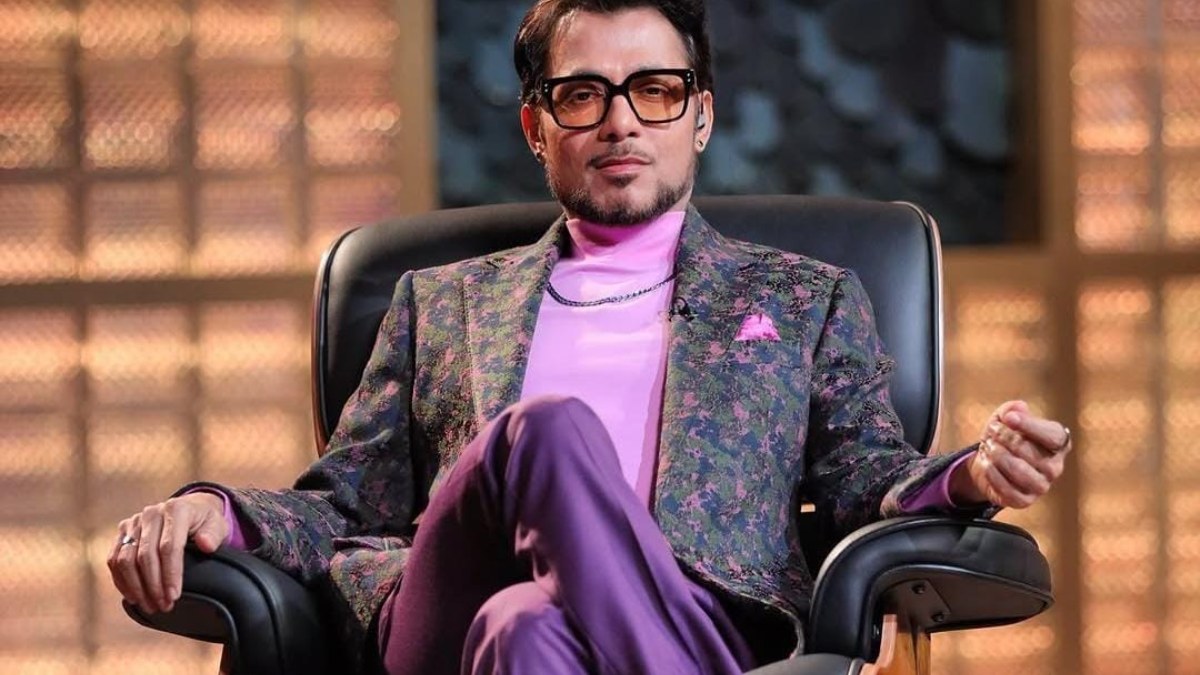
Photo: Anupam Mittal by Instagram
The rapid growth of Artificial Intelligence (AI) and digital technology has transformed the way people communicate, market products, and consume information. However, this technological advancement has also created serious legal concerns, particularly regarding the misuse of an individual’s identity through AI-generated content and deepfakes. In this context, the Delhi High Court’s recent ruling protecting the personality rights of Anupam Mittal has emerged as a significant development in Indian intellectual property and constitutional law.
The case involved the unauthorized use of Mittal’s name, image, voice, and overall persona by third parties for commercial gain. The Court recognized that such misuse could mislead the public and cause irreparable harm to an individual’s reputation and dignity. More importantly, the judgment reflects the judiciary’s growing awareness of the dangers posed by AI-driven identity manipulation in the digital age.
Understanding Personality Rights
Personality rights, often referred to as the “Right of Publicity,” protect an individual against the unauthorized commercial exploitation of their identity. These rights generally include protection over a person’s:
• Name
• Photograph and likeness
• Voice
• Signature expressions or gestures
• Distinctive public identity
Although Indian law does not contain a specific statute exclusively dealing with personality rights, courts have recognized them through constitutional principles and judicial precedents. Public figures, celebrities, influencers, and entrepreneurs invest years in building their reputation and public image. Unauthorized use of their identity for advertisements, endorsements, or digital content can therefore result in both reputational and economic harm.
The rise of AI-generated deepfakes has made these concerns even more serious. Today, advanced software can replicate a person’s appearance and voice with remarkable accuracy, making it difficult for the public to distinguish fake content from reality.
“Key Highlights of the Delhi High Court’s Ruling”
The Delhi High Court granted interim protection to Anupam Mittal against the misuse of his identity. The ruling is important for several reasons.
Holistic Protection of Persona
The Court clarified that personality rights extend beyond a person’s face or name. It protected Mittal’s complete public persona, including his voice, expressions, and distinctive identity associated with his public appearances and entrepreneurial image.
This broader interpretation reflects the reality of the digital era, where a person’s online identity carries substantial commercial value.
Restriction on AI-Generated Deepfakes
A major aspect of the judgment was the Court’s concern regarding AI-generated deepfakes. The Court restrained third parties from creating or circulating manipulated content that falsely portrayed Mittal endorsing products or expressing opinions without his consent.
Deepfake technology has become increasingly sophisticated, enabling creators to produce highly realistic videos capable of deceiving viewers. The Court recognized that such misuse not only damages individual reputation but also creates public confusion and misinformation.
Recognition of Digital Harm
The Court also acknowledged the borderless nature of the internet. Since online content spreads rapidly across platforms and jurisdictions, misuse of personality rights in the digital sphere can have far-reaching consequences. This reflects the judiciary’s evolving understanding of the unique challenges posed by digital technology.
Constitutional Foundation: Article 21 and Privacy
The protection of personality rights is closely linked with Article 21 of the Constitution of India, which guarantees the Right to Life and Personal Liberty.
Right to Dignity
The Supreme Court has repeatedly held that the right to life includes the right to live with dignity. When a person’s identity is manipulated through deepfakes or unauthorized digital content, it directly affects their dignity and reputation. False portrayals can damage public trust and professional credibility built over many years.
Right to Privacy
The landmark judgment in K.S. Puttaswamy vs. Union of India recognized privacy as a fundamental right. Personality rights are a natural extension of this principle because individuals should have control over how their image, voice, and identity are used in public and commercial spaces.
The unauthorized AI replication of a person’s likeness can therefore amount to a violation of both privacy and autonomy.
Judicial Concerns Regarding AI and Deepfakes
The Delhi High Court expressed serious concern regarding the misuse of generative AI technology.
First, deepfakes can create public deception by falsely suggesting endorsements or statements never made by the concerned individual. This can mislead consumers and unfairly influence public opinion.
Second, the Court treated AI-based impersonation as a form of digital identity theft rather than merely a copyright issue. The misuse of a person’s face or voice without consent strikes at the core of personal identity.
Third, the judgment reflects broader concerns about the erosion of trust in digital communication. If manipulated videos and AI-generated content become widespread, people may begin to doubt the authenticity of online information itself.
“Judicial Precedents”
The Anupam Mittal ruling builds upon earlier decisions of the Delhi High Court involving celebrity personality rights.
In the case of Amitabh Bachchan, the Court protected the actor’s name, voice, and iconic attributes against unauthorized commercial exploitation.
Similarly, in the case involving Anil Kapoor, the Court restrained the misuse of the actor’s image, catchphrases, and AI-generated likeness through face-swapping applications.
The Anupam Mittal case expands these principles beyond film celebrities and recognizes that entrepreneurs and digital personalities are equally vulnerable to online identity misuse.
Conclusion
The Delhi High Court’s ruling in favour of Anupam Mittal represents a progressive response to the growing challenges posed by AI and deepfake technology. By protecting an individual’s persona from unauthorized digital exploitation, the Court reaffirmed that technological advancement cannot come at the cost of dignity, privacy, and personal autonomy.
The judgment is significant not only for celebrities and public figures but also for ordinary citizens who may increasingly face risks of digital impersonation and AI-based fraud. At a broader level, the decision highlights the urgent need for a comprehensive legal framework governing personality rights and synthetic media in India.
As technology continues to evolve, the law must evolve alongside it to ensure that innovation remains balanced with the protection of fundamental human rights.
Yeh article aapko kaisa laga?