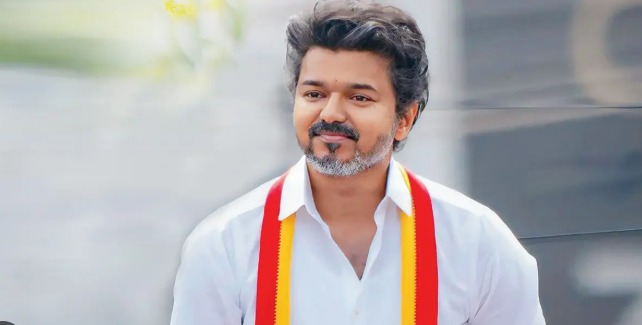
The political landscape of Tamil Nadu was fundamentally altered on May 4, 2026, when the results of the 17th legislative assembly elections were declared. In a stunning departure from nearly six decades of Dravidian duopoly, the newly formed Tamilaga Vettri Kazhagam (TVK), led by the actor turned politician C. Joseph Vijay, emerged as the single largest party. While the assembly remained hung with TVK securing 108 seats, the subsequent swearing in of Vijay as chief minister on May 10 marked a historic shift. This seismic change was not merely a product of stardom; it was driven by a sophisticated strategy and a deep seated public desire for a new political narrative.
The Sweft Of Traditional Duopoly
For fifty-nine years, power in Tamil Nadu was traded exclusively between the DMK and the AIADMK. However, by 2026, a sense of “incumbency fatigue” was felt across the electorate. The ruling DMK faced scrutiny over governance and corruption allegations, while the AIADMK struggled with internal leadership fractures following its split from the NDA.
This void was expertly filled by the TVK. A “third way” was presented to the voters, one that bypassed traditional Dravidian identity politics in Favor of a broader, more inclusive “Tamil success” (Vettri) narrative. By contesting all 234 seats independently, the message was sent that the party was not a mere spoiler but a serious contender for total governance.
The “Vijay” Brand And Grassroots Mobilization
The victory is often attributed to the “Thalapathy” (commander) brand, yet the mechanics went far deeper than cinematic popularity. For years, the Vijay Makkal Iyakkam (VMI), his fan-based welfare organization, had been laying the groundwork. This network was seamlessly converted into a disciplined, cadre-based political machine.
in the 2026 elections, the TVK was seen as the first party in India to win almost entirely through the strategic use of social media and localized digital mobilization. Every fan club was transformed into a booth-level committee. Unlike traditional parties that relied on grand rallies, the TVK utilized micro-targeting to reach first-time and youth voters who felt disconnected from the rhetoric of the 1960s.
Demographic Shifts: The Youth And Male Turnout
Data from the election commission highlighted a record-breaking 85.1% voter turnout. A critical factor in the TVK’s success was its dominance in constituencies where male turnout exceeded female turnout. Out of 70 such constituencies, the TVK swept 49.
Furthermore, the youth vote proved to be the party’s strongest pillar. A “reality check” was demanded by young writers, professionals, and students regarding the state’s education system and employment opportunities. The TVK’s promise of modernizing vocational training and challenging the existing academic status quo resonated with a generation more concerned with global competitiveness than regional legacy.
The Strategy Of Neutrality And Change
While the DMK and AIADMK remained entrenched in ideological battles against each other or the central government, the TVK adopted a posture of pragmatic neutrality. By targeting the DMK on corruption and the bjp on ideological grounds simultaneously, a “centrist” space was carved out.
The promise of change was prioritized over a rigid, traditional ideology. This appeal was found to be effective across urban Centres particularly in Chennai, where the TVK captured significant leads in areas like Anna Nagar. The defeat of the outgoing chief minister, M.K.Stalin, in his stronghold of Kolathur by a TVK candidate served as the ultimate symbol of this shifting tide.
A New Political Map
the 2026 election results created two distinct political maps within the state. While the DMK-led alliance managed to retain ground in constituencies where women voted in significantly higher numbers than men, the TVK dominated the rest. The hung assembly necessitated strategic alliances with independent members and smaller factions, but the mandate for Vijay was clear: the public was ready for an alternative.
in conclusion, the rise of the TVK can be explained through a combination of brand power, a digital-first mobilization strategy, and an electorate that had grown weary of the alternating cycles of the two major Dravidian parties. The 2026 victory was not just a win for a movie star; it was a calculated disruption of the status quo, Fueled by a desire for a “blockbuster” change in how the state is governed. As the first Non-Dravidian party to lead the assembly since the 1960s, the TVK now faces the challenge of translating its cinematic appeal into sustainable administrative success.
👋 Hi! Main hoon aapki Site Assistant Kuch bhi puchiye, main madad karungi!✕
Site Assistant AI se turant jawab
✕
Hi! I'm your AI Assistant for this website. I can chat in any language you prefer — just type your question to start! नमस्ते, मैं इस वेबसाइट की एआई असिस्टेंट हूँ। आप जिस भी भाषा में लिखेंगे, मैं उसी में जवाब दूँगी — बस अपना