
Imagine being the military command of a nation at war, executing a massive, coordinated strike on your enemy’s vital infrastructure, and the official diplomatic response you get from your biggest superpower ally is a blunt, three-letter message: “WTF.”
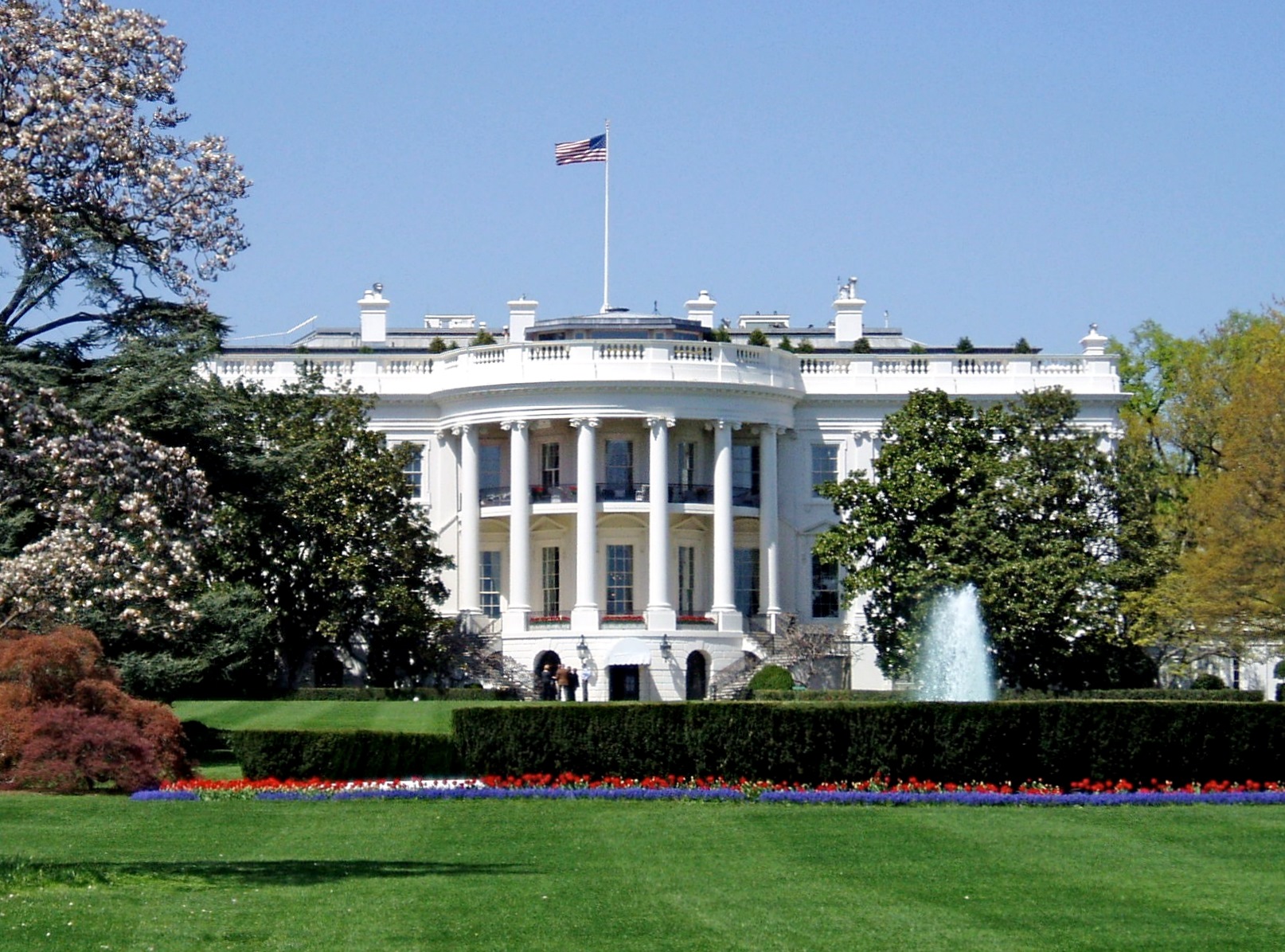
Late Sunday, following Israel’s sweeping airstrikes on Iranian fuel depots, the White House bypassed traditional diplomatic protocol and sent a furious message to Tel Aviv. This highly embarrassing leak exposes the first significant crack in the US-Israel alliance since the war began on February 28, 2026.
The Saturday Strikes
On Saturday, the Israel Defense Forces (IDF) launched a large-scale operation targeting approximately 30 Iranian fuel depots across the country.
The strikes triggered massive fires, sending thick, toxic smoke miles into the sky over the capital, Tehran, and resulting in oil-saturated rainwater covering city streets. Israel publicly defended the attack, stating the depots were directly used to supply the Iranian military and that the strikes were a necessary warning. Israeli and US officials confirmed that the IDF had notified the US military ahead of the strikes. However, Washington was completely caught off guard by how wide-ranging and destructive the attacks actually were.
The “WTF” Moment
According to a bombshell report published by Axios on Sunday, the scale of the operation caused immediate panic in the Trump administration. A senior US official bluntly told the press, “We don’t think it was a good idea.” Behind closed doors, the reaction was much harsher.
An Israeli official revealed to Axios that the direct message conveyed by the United States to Israel immediately afterward was a stunned and angry “WTF.” For weeks, the US has stood alongside Israel, supporting the ongoing “Operation Epic Fury” and defending the initial assassinations of Iranian leadership. So, why draw the line and reprimand their closest Middle Eastern ally now? The answer is tied directly to the American economy.
$100 a Barrel
The White House is in a state of panic because striking oil infrastructure threatens global energy markets. Almost immediately after the strikes, the global economic reaction was violent. US crude oil futures surged by 35% in a single week, the largest increase in futures trading history since 1983. By early Monday, global benchmark Brent crude and West Texas Intermediate (WTI) both blasted past the dangerous $100-per-barrel mark, hitting nearly $108.
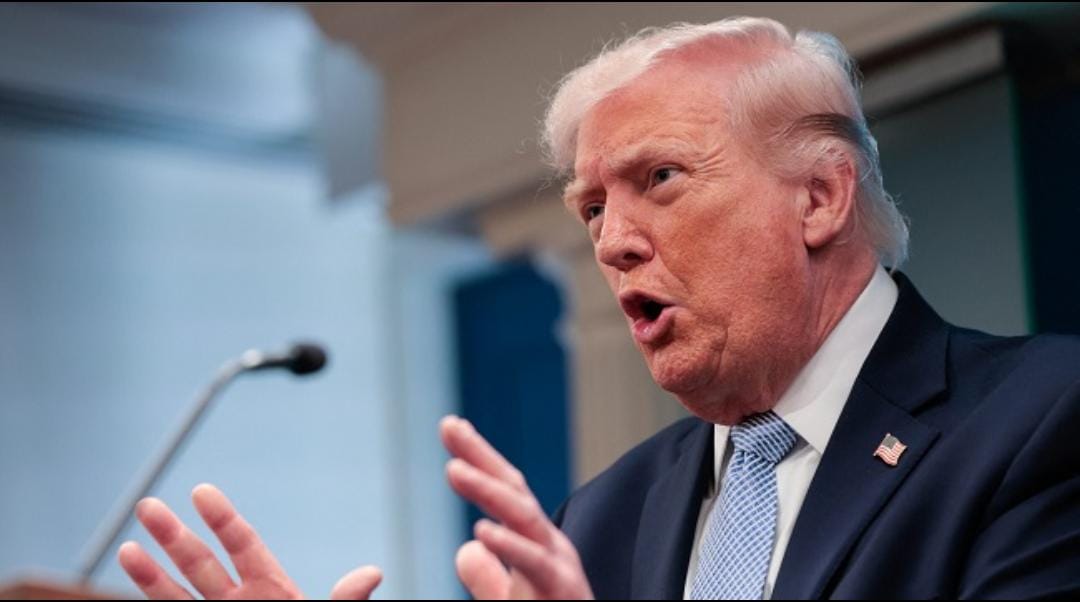
US officials are terrified that these striking visuals of burning fuel will continue to drive global oil prices through the roof, directly hurting American consumers at the gas pump. An advisor to President Donald Trump admitted this reality to Axios, stating plainly: “The president doesn’t like the attack. He wants to save the oil. He doesn’t want to burn it. And it reminds people of higher gas prices.”
This quote perfectly captures the core of the disagreement. The US administration was supportive when the war involved targeting military personnel. But the exact second Israel’s military strategy threatened the stability of the US stock market and the price of American gasoline, the White House immediately slammed the brakes.
Summary
The “WTF” message sent to Israel this weekend is a defining moment of the ongoing Middle East war. It shatters the illusion of an unconditional alliance, proving that international partnerships are heavily dictated by economic convenience. As toxic smoke covers Tehran and global markets scramble to price in the damage, this clash between allies reveals a harsh geopolitical truth: superpowers will support their partners right up until the moment that support becomes too expensive for their own voters.
Yeh article aapko kaisa laga?