
Image credit: The diplomat/ X
The United States has introduced a series of new visa-related measures and updated international travel guidelines that are drawing attention across the world. The changes are part of the US government’s broader effort to strengthen border security, reduce visa overstays, and improve immigration screening. While American officials say the new policies are designed to protect national security and make the visa process more accountable, many travelers, students, and immigration experts believe the measures could make international travel more expensive and complicated.
The new policies have become a major topic of discussion because millions of people visit the United States every year for education, tourism, business, and family visits. Any change in visa regulations affects not only travelers but also universities, businesses, and tourism industries worldwide.
What Has Changed ?
One of the most talked about changes is the introduction of a visa bond pilot program for selected applicants from certain countries. Under this system, some travelers applying for temporary non-immigrant visas may be required to pay a refundable financial bond before entering the United States.
The bond amount can range from $5,000 to $15,000, depending on the applicant’s circumstances and the risk assessment conducted by US authorities. If the traveler follows all visa conditions, including leaving the United States before the visa expires, the bond is expected to be returned. However, if visa rules are violated, the bond could be forfeited.
US officials say the pilot program is aimed mainly at reducing visa overstays, which remain a concern for immigration authorities. The government believes that financial accountability may encourage greater compliance with immigration laws.
Updated Global Travel Guidelines
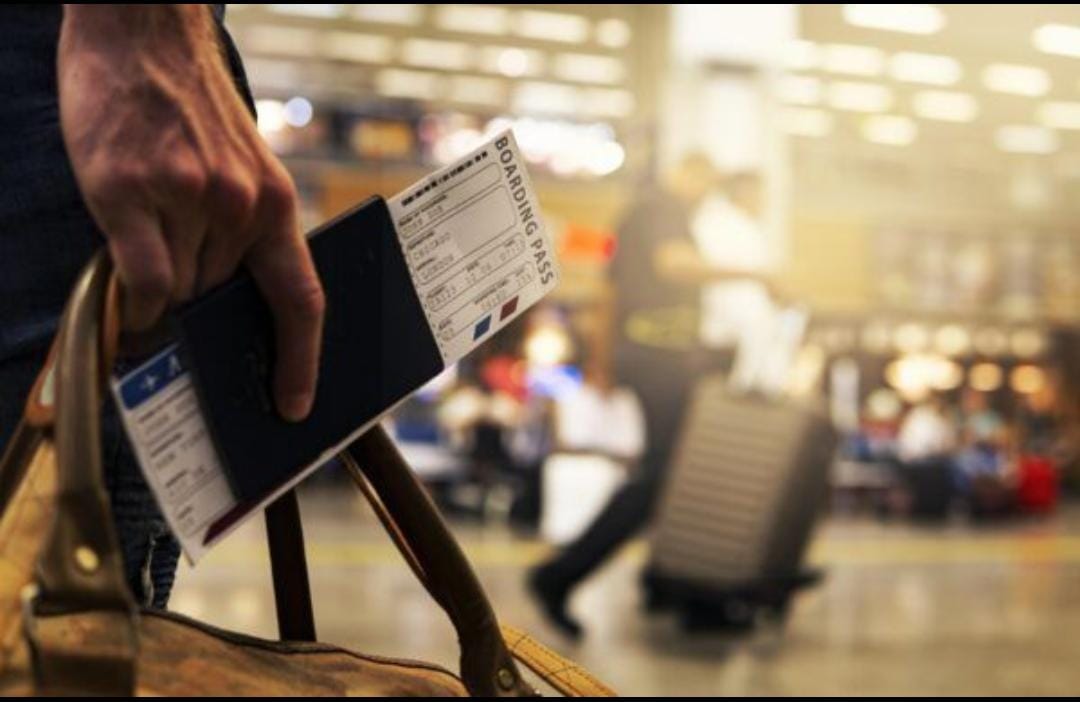
Along with the visa bond policy, the US has also issued updated travel guidelines for international visitors.
Travelers are being advised to:
- Keep all travel documents accurate and up to date.
- Clearly explain the purpose of their visit during visa interviews.
- Show sufficient financial proof to support their stay.
- Follow all immigration rules after entering the country.
- Avoid overstaying the permitted period under any circumstances.
Officials have also reminded travelers that holding a valid visa does not automatically guarantee entry into the United States. Final admission continues to depend on immigration officers at the port of entry.
“Why the US Says These Rules Are Necessary”
According to the US administration, the new measures are intended to improve the integrity of the immigration system.
Authorities argue that while millions of travelers respect visa conditions every year, a small number violate immigration laws by overstaying or providing incorrect information during the application process. The government believes stronger screening procedures and financial guarantees can help reduce these violations.
Officials also say the updated policies support national security by ensuring that immigration authorities have better tools to monitor temporary visitors.
Concerns Raised by Critics
Despite the government’s explanation, the new policies have received mixed reactions.
Immigration lawyers and policy experts argue that requiring a large financial bond may place an additional burden on genuine travelers, especially students, researchers, and families with limited financial resources.
Many believe that deserving applicants should not face extra financial barriers simply because they come from countries with higher visa overstay rates.
Education groups have also expressed concern that stricter visa procedures could discourage international students from choosing American universities. International students contribute billions of dollars annually to the US economy through tuition fees, housing, and daily living expenses.
Travel industry representatives warn that more complicated visa procedures could reduce tourism, particularly from developing countries.
Impact on International Students
Students are among the groups watching these developments most closely.
Although the visa bond program is not expected to apply to every student applicant, uncertainty surrounding the policy has created concern among families planning higher education abroad.
Education consultants advise students to prepare complete documentation, maintain strong financial records, and apply well before university deadlines.
Experts also recommend carefully following every immigration rule after arriving in the United States, as compliance will become increasingly important under the updated system.
Global Reactions
Governments, universities, and immigration experts across several countries are closely monitoring the implementation of the new policies.
Some countries may seek further clarification from US authorities regarding how applicants will be selected for the visa bond program.
Many observers believe that the success of the policy will depend on whether it effectively reduces visa violations without creating unnecessary hardship for genuine travelers.
Several immigration experts have suggested that improving digital verification systems and international cooperation could achieve similar results without placing heavy financial obligations on visitors.
Looking Ahead
The United States remains one of the world’s most popular destinations for education, tourism, business, and innovation. As immigration policies continue to evolve, travelers are expected to pay greater attention to visa requirements and compliance with immigration laws.
For applicants, the best approach is careful preparation, honest documentation, and strict adherence to visa conditions. While the new rules may increase the responsibilities of travelers, they also highlight the growing importance that governments worldwide place on secure and well-managed international migration.
As discussions continue, the impact of these visa reforms will become clearer over the coming months. Whether the policies succeed in strengthening immigration enforcement while maintaining the United States’ reputation as a welcoming destination will be closely watched by governments, educational institutions, businesses, and millions of travelers around the world.
Yeh article aapko kaisa laga?