
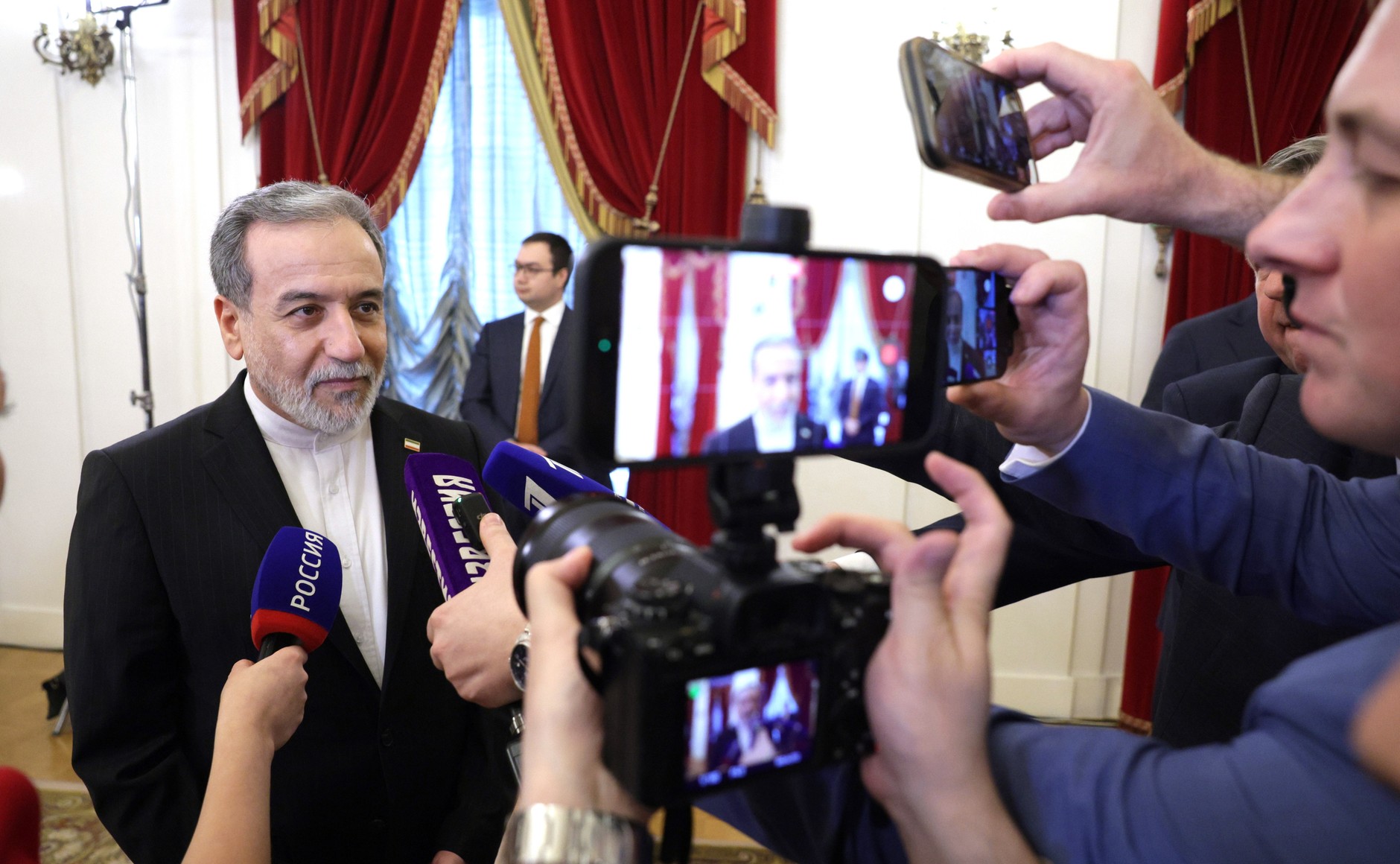
Photo: Foreign Minister of Iran Abbas Araghchi, Kremlin.ru, CC BY 4.0
“We stand firm in the face of any new aggression, even if it comes to a doomsday war.”
When Iranian Foreign Minister Abbas Araghchi delivered that statement on NBC’s Meet the Press this past weekend, the rhetoric escalated a conflict that has paralyzed the Persian Gulf for months. As the United States maintains a strict economic blockade on Iran and shipping through the Strait of Hormuz remains heavily disrupted, the strategic calculations in both Washington and Tehran appear to be hardening.
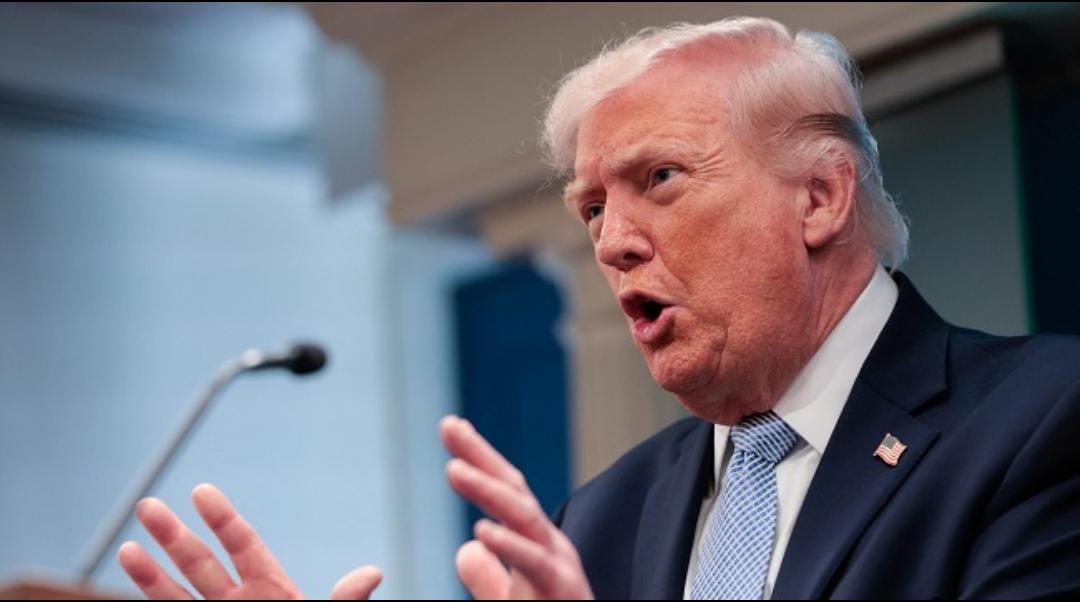
With US President Donald Trump recently rejecting an Iranian proposal to resume nuclear negotiations and reopen the Strait, the diplomatic impasse continues. Reports suggesting the US may resume bombing campaigns after the November midterm elections further complicate the geopolitical landscape. The critical question now is not just whether the conflict will reignite, but what the consequences will be for global energy flows and regional stability.
“Cynical” Proposal and the Disputed Sequencing
The immediate trigger for the current standoff was an Iranian proposal floated last Friday. Tehran offered to reopen the Strait of Hormuz and restart nuclear negotiations within seven days, contingent upon the US lifting its economic blockade and releasing frozen Iranian assets.
The Trump administration flatly rejected the offer. Michael Waltz, the US Ambassador to the United Nations, described the proposal as a “cynical attempt to put something on the table that they knew was unacceptable.” At the core of this diplomatic failure is a fundamental dispute over sequencing. Iran insists on economic relief before it relinquishes its leverage over the Strait of Hormuz. Washington, conversely, demands that the waterway be fully reopened on acceptable terms before it will consider easing the sanctions that American officials describe as hermetically sealing the Iranian economy, where “nothing’s coming in, and nothing’s going out.”
Evaluating the Stalemate
The decision by the US to walk away from a deal that could reopen the world’s most vital energy corridor is rooted in shifting strategic leverage.
Washington’s calculation appears to be that Iran’s control over Hormuz, while disruptive and costly for global shipping, is no longer worth the price Tehran is demanding for its removal. The US has sustained a comprehensive economic blockade while managing the disruption in the Gulf, suggesting a belief that the balance of leverage may have shifted in its favor.
Furthermore, domestic American politics are deeply intertwined with this timeline. According to a report by The Wall Street Journal, President Trump has indicated an expectation to resume bombing campaigns against Tehran following the conclusion of the US midterm elections in November. By delaying direct military action until after the elections, the administration avoids potential political fallout during a sensitive electoral cycle while maintaining a hardline posture.
“Doomsday” Rhetoric and the Risk of Reignition
Foreign Minister Araghchi’s use of the phrase “doomsday war” is stark, even within the context of elevated diplomatic tensions. While he added that Iran “stand[s] ready for diplomacy,” the simultaneous declaration that Tehran is “fully prepared for the war to be resumed” underscores a readiness for asymmetric military escalation.
The absolute nature of the current US sanctions leaves Iran with minimal economic flexibility. Historically, states facing total economic strangulation have resorted to escalation to alter the strategic calculus of their adversaries. If reports of a planned post-midterm US military offensive are accurate, the current pause in direct airstrikes may be a tactical delay rather than a permanent de-escalation.
Strait of Hormuz remains the central flashpoint. While some oil flows continue, the requirement for a major US military operation to protect commercial traffic highlights the enduring volatility. Iran’s seizure of a US Remus 600 unmanned underwater vehicle further demonstrates its active disruption capabilities.
The current situation in the Persian Gulf is a tactical standoff rather than a resolution. With Iran signaling a readiness for extreme escalation and Washington preparing for potential post-election military action, the diplomatic pathways appear increasingly narrow. The global economy and regional security architecture remain precarious, dependent on decisions made in capitals where the appetite for compromise is currently outweighed by the pursuit of strategic advantage.
Yeh article aapko kaisa laga?