
Image Credits: Viarami (pixabay)
|Author: Siddhant Bijoliya|
The Rollercoaster of Tariffs
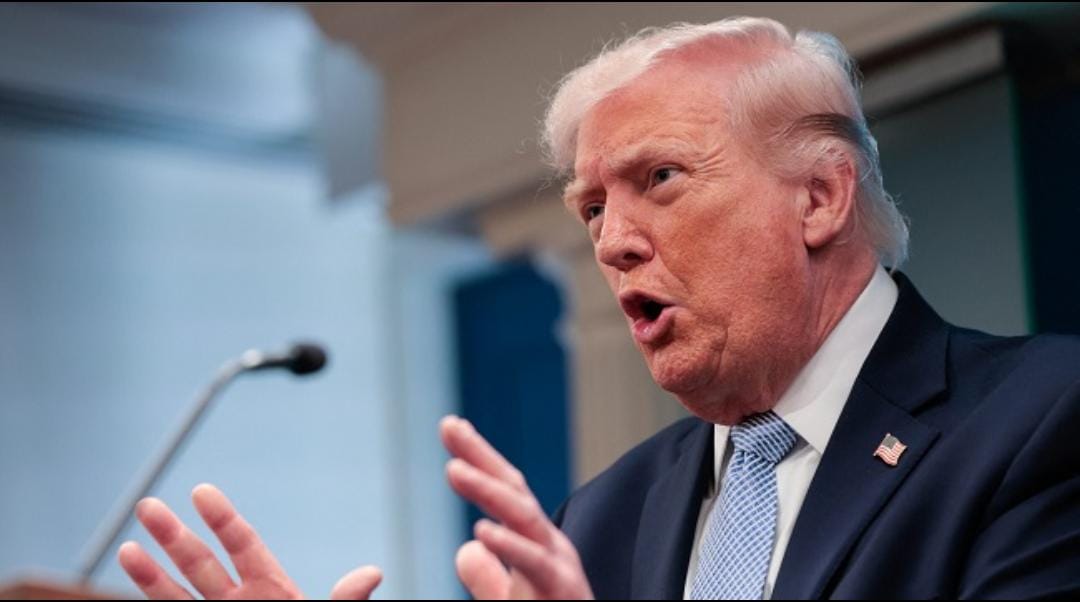
The journey of Indo-US trade relations reached a dramatic peak in late 2025 when Indian exporters faced staggering tariffs of up to 50 percent on goods destined for American markets. This double blow came from a 25 percent “reciprocal tariff” imposed by former President Donald Trump, compounded by an additional 25 percent penalty linked to India’s procurement of Russian oil.
For India’s labor intensive sectors textiles, garments, gems and jewel, and leather goods this was nothing short of an economic emergency. The Global Trade Research Initiative estimated a potential 70 percent collapse in export volumes to America, threatening hundreds of thousands of jobs from Surat’s diamond polishing workshops to Tiruppur’s garment factories.
The February Breakthrough
A significant turning point arrived in early February 2026, when India and the United States announced an Interim Trade Agreement framework. Under this arrangement, the United States agreed to apply a reciprocal tariff rate of 18 percent on Indian goods, a substantial reduction from previous levels. Crucially, upon successful conclusion of the agreement, tariffs would be completely removed on a wide range of products including generic pharmaceuticals, gems and diamonds, and aircraft parts.
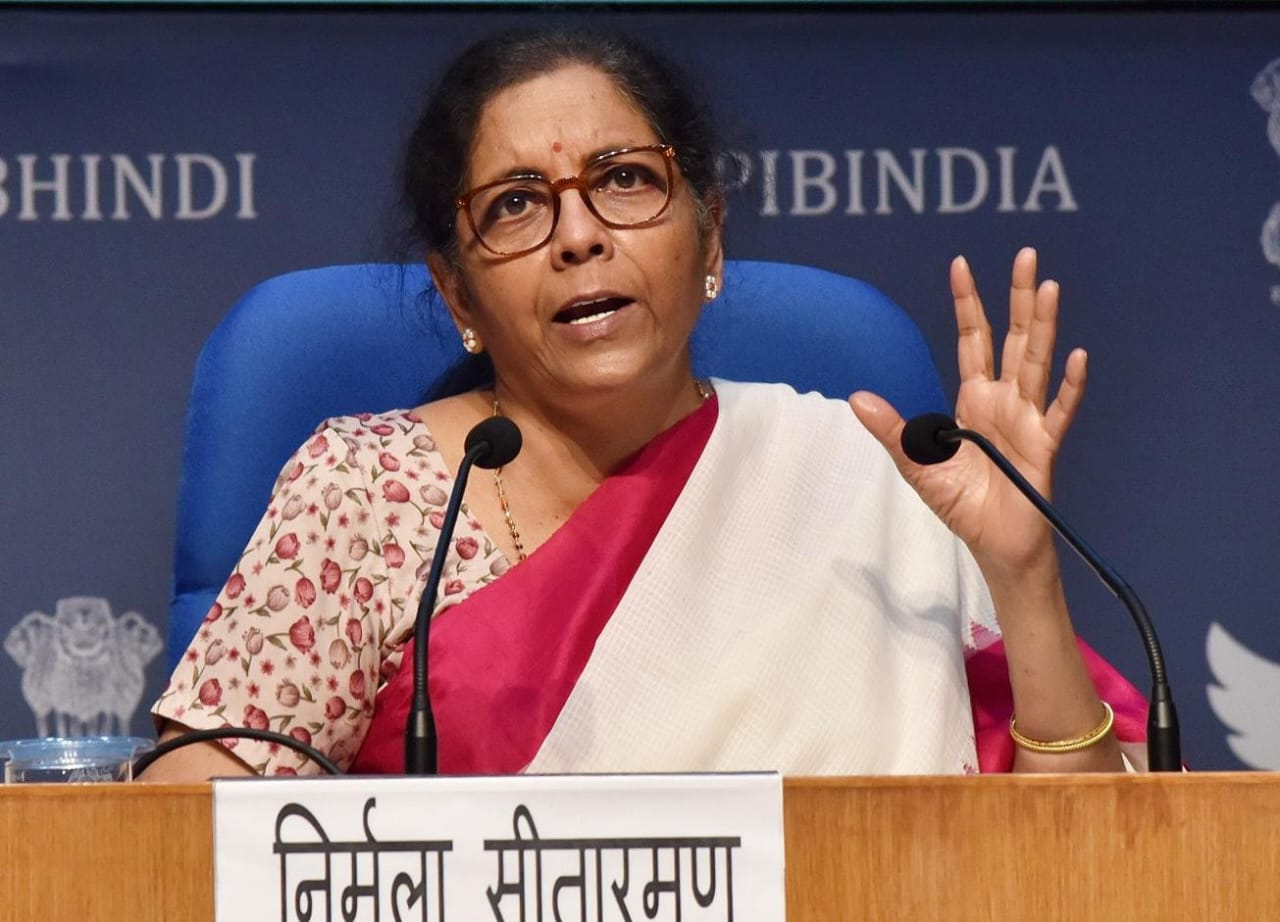
Commerce Minister Piyush Goyal hailed the agreement as “fair, equitable and balanced,” noting that Indian agricultural products such as spices, tea, coffee, and cashews would now attract zero duty in the American market. The deal strategically protected sensitive agricultural and dairy products, ensuring farmers’ interests remained safeguarded.
The Supreme Court Intervention
Just weeks later, the United States Supreme Court delivered a landmark ruling on February 20, striking down the global reciprocal tariffs imposed under the International Emergency Economic Powers Act. The Court found that this law did not grant the President authority to impose broad spectrum duties without Congressional approval.
In response, the Trump administration swiftly pivoted, announcing a temporary 10 percent baseline tariff under Section 122 of the Trade Act of 1974, effective for 150 days. For India, this created a paradoxical situation the new effective tariff rate of 10-15 percent was actually lower than the 18 percent negotiated in the bilateral agreement.
India’s Strategic Response
This sudden shift prompted New Delhi to adopt a characteristically cautious approach. India postponed the scheduled trade negotiation delegation to Washington, with officials stating that the decision was made “after consultations between the two countries” and that meetings would be rescheduled for mutually convenient dates.
JPMorgan economist Jahangir Aziz observed that average tariffs on Indian exports may now settle between 15-17 percent, not materially different from earlier levels, though Indian exporters might benefit from short-term “import front-loading” as American buyers accelerate purchases before new regimes take effect.
Looking Ahead
Despite the volatility, Goldman Sachs Research maintains an above-consensus growth forecast for India at 6.9 percent for 2026, suggesting that the economy’s fundamentals remain resilient. However, the path forward requires careful navigation, as the United States retains other tariff tools under Sections 301 and 232 that could target pharmaceuticals, automobiles, and semiconductors.
For India, this episode reinforces a vital lesson in an interconnected world: trade policy is increasingly intertwined with geopolitical positioning. The coming months will reveal whether New Delhi’s strategic ambiguity can preserve its economic interests while maintaining balanced relationships with major
Yeh article aapko kaisa laga?