
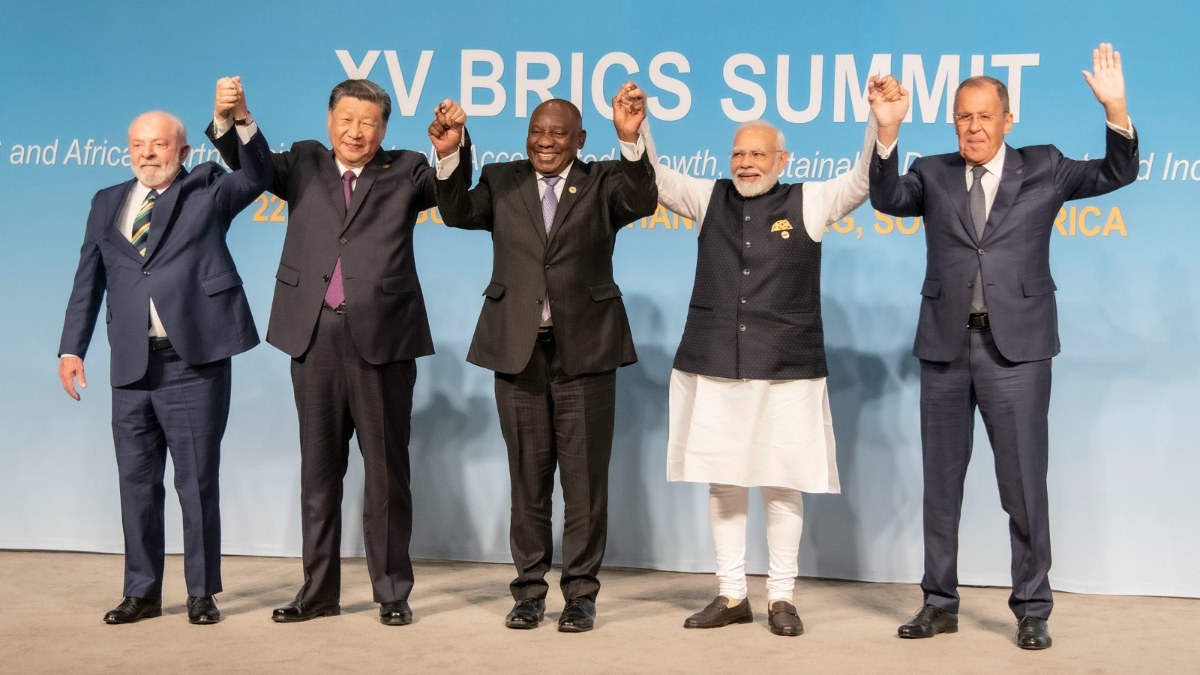
Photo: 15th BRICS SUMMIT
As the expanded BRICS group grows and now making up over 35 percent of global GDP, there is a strong push to create a new shared currency. Led by Russia and China, this movement aims to stop relying on the United States dollar for global trade. However, India is acting as the main brake on this plan.
External Affairs Minister S. Jaishankar has clearly stated that India is not trying to drop the dollar and does not support a shared BRICS currency right now. This choice shows how New Delhi has to protect its own economy today while thinking about the risks of relying on Western money in the future.
Weight of US Dollar and Western Trade
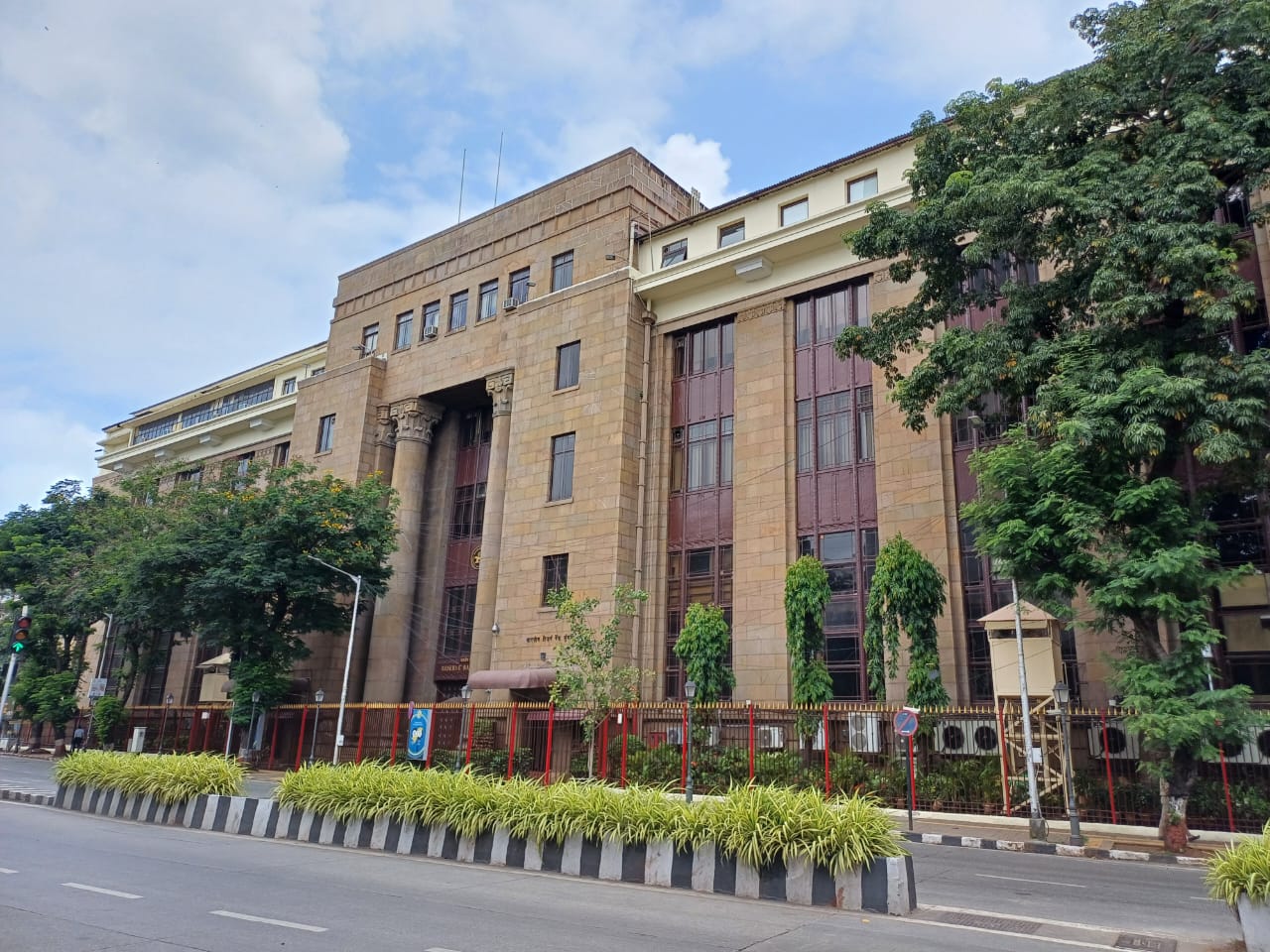
India’s choice is based on hard numbers. The US is still India’s biggest trading partner, with trade hitting nearly $119 billion recently. More importantly, India makes a good profit here, exporting about $30 billion more to the US than it imports. If India strongly supports a plan to fight the dollar, it could anger Washington. This might hurt trade deals and stop Western companies from investing in India. Also, Indian experts know the dollar still controls about 58 percent of global reserves and is used in over 80 percent of world trade. The Reserve Bank of India believes it is nearly impossible right now to make a single currency work for BRICS countries, since they all have very different economies, prices, and political systems.
China Factor and Bilateral Trade Limits
Instead of a shared currency, the Indian government is trying to trade directly in the Indian Rupee. But facts show this is hard to do. The best example is India’s trade with Russia. After 2022, India bought over $60 billion of cheap Russian oil. However, India only sold about $4 billion of goods to Russia. Because of this huge gap, Russian banks now have billions of Indian Rupees they cannot easily spend or exchange. While a BRICS payment system could fix this problem, India is very careful about the cost. Any new financial system within BRICS would naturally be controlled by China’s massive economy. By saying no to a shared currency, India stops Chinese money from gaining too much global power under the BRICS name.
Risks of Maintaining Dollar Dependence
Even though India’s choice makes sense right now, experts warn that relying on the US dollar brings serious long-term risks. The main worry is how the US uses its financial power. Because the US controls the dollar and global payment networks, it can block countries from trading by using sanctions. By relying on this system, India leaves its own freedom at the mercy of American politics. It faces the constant threat of sanctions if it buys weapons or oil from countries the US does not like. Also, this dependence hurts people at home. When the US Federal Reserve raises interest rates to fix American inflation, investors pull their money out of countries like India. This causes the value of the Rupee to drop quickly, making India’s oil imports much more expensive and driving up daily prices for Indian citizens.
Consequences for Future Choices
In the end, India’s approach to the BRICS currency debate forces a choice between two paths, and both have major consequences.
If India stays on its current path of relying on the dollar and trading in Rupees, the short-term result is economic safety. India will keep its profitable trade with the US, get Western investments, and stop China from controlling new global money systems. But the long-term result is a permanent weakness to American financial pressure, higher prices at home caused by US policies, and trouble balancing trade with partners like Russia.
On the other hand, if India changes course and fully supports a BRICS currency, the long-term result would be true financial freedom. India could protect its economy from one-sided US sanctions and easily fix its trade issues. But the short-term cost would be huge. It could trigger an economic fight with its biggest trading partner and accidentally make China the financial leader of the developing world. As global power shifts, India must decide if the short-term safety of the dollar is worth giving up its long-term financial independence.
Yeh article aapko kaisa laga?