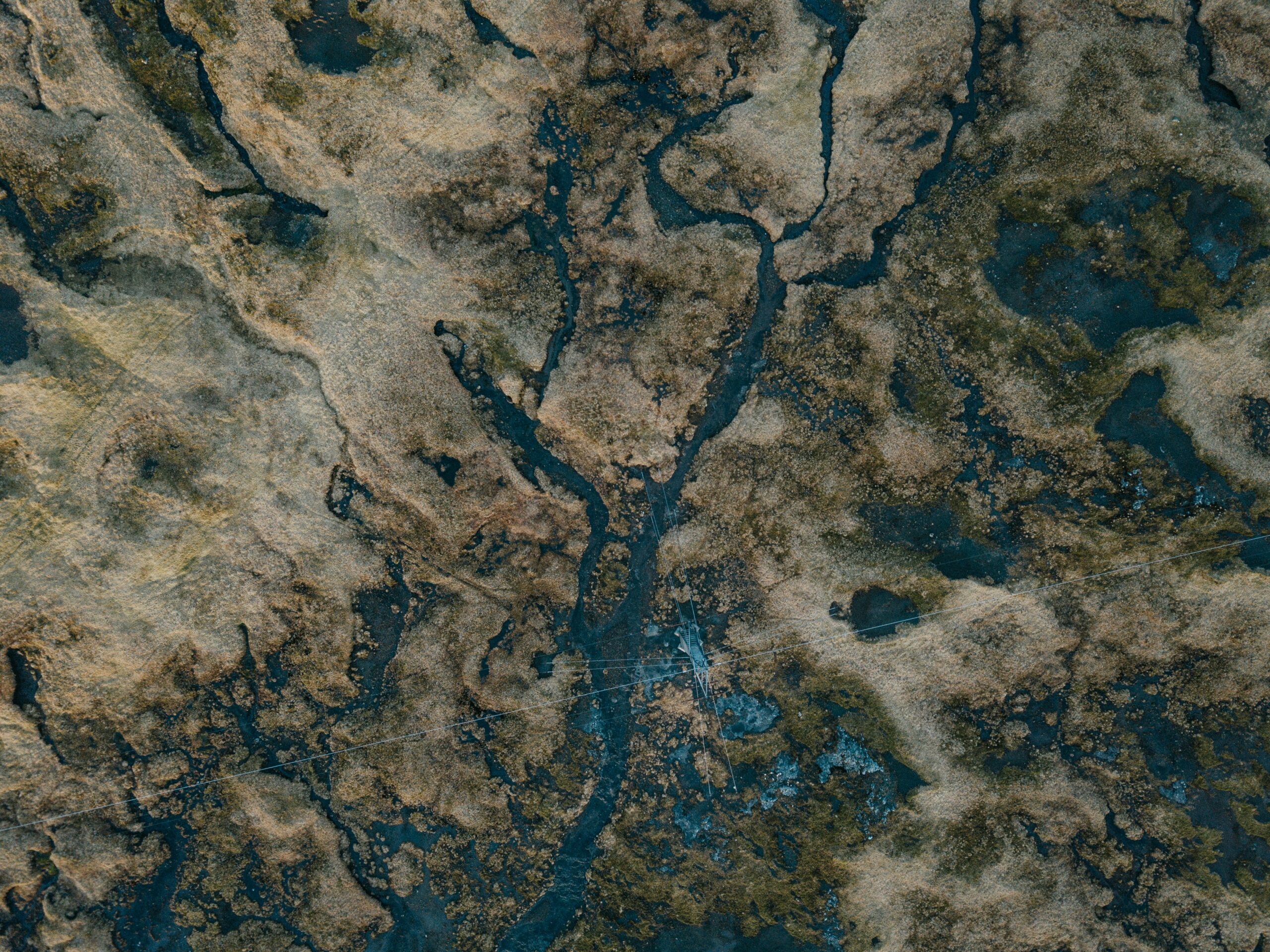
Image credit: Annie Spratt on Unsplash
The Crisis Flowing Through the Nation
India is a civilization born on the banks of rivers.
From the Indus Valley to the sacred waters of the Ganga and Yamuna, rivers have shaped the country’s geography, culture, and economy for thousands of years. They have nourished farms, sustained cities, and inspired religious traditions.
Yet today, many of these lifelines are slowly dying.
Across India, rivers are shrinking, choking with pollution, and losing their natural flow. According to the Central Pollution Control Board (CPCB), more than 350 river stretches in India are officially classified as polluted. Sewage discharge, industrial waste, sand mining, and unplanned urban growth have turned many once-vibrant rivers into toxic drains.
What was once a symbol of life is increasingly becoming a symbol of environmental neglect.
The Weight of Pollution
The most visible threat to India’s rivers is pollution.
Every day, millions of litres of untreated sewage flow into rivers across the country. Government estimates suggest that India generates over 72,000 million litres of sewage daily, but treatment facilities can handle only a fraction of it.
Industrial waste compounds the damage. Chemical effluents from factories, containing heavy metals and toxic substances, often find their way into nearby rivers.
The Yamuna in Delhi is perhaps the most striking example. Though the river flows for more than 1,300 kilometres, nearly 70–80 percent of its pollution load comes from a short stretch passing through the national capital.
The result is a river that often resembles a frothing drain rather than a natural waterway.
Sand Mining and the Destruction of Riverbeds
Beyond pollution, rivers are also being physically destroyed.
Illegal and excessive sand mining has become a major environmental threat across many states. Sand is a crucial ingredient in construction, and the demand for it has surged with rapid urbanization.
But removing sand from riverbeds destabilizes ecosystems. It alters the river’s natural flow, erodes banks, and destroys habitats for fish and other aquatic life.
In many regions, entire stretches of riverbeds have been stripped bare, leaving rivers shallow and vulnerable to flooding and ecological collapse.
Dams, Diversions, and Vanishing Flow
India’s push for development has also reshaped its rivers.
Large dams, irrigation canals, and hydropower projects divert massive quantities of water away from natural river channels. While these projects provide electricity and support agriculture, they often disrupt river ecosystems.
When water flow is heavily regulated or diverted, rivers lose their ability to sustain biodiversity and maintain natural sediment cycles.
Many rivers that once flowed year-round have become seasonal or fragmented, particularly in parts of western and southern India.
Cities That Turn Rivers into Drains
Urbanization has accelerated the decline.
As cities expand, rivers are frequently treated as convenient dumping grounds for waste and sewage. Encroachments narrow river channels, wetlands disappear, and floodplains are converted into real estate.
The consequences are increasingly visible. Cities such as Bengaluru, Chennai, and Mumbai have faced severe flooding in recent years, often linked to the destruction of natural drainage systems connected to rivers and wetlands.
What was once nature’s flood management system has been replaced by concrete.
The Ecological Cost
The decline of rivers is not just a water issue; it is an ecological crisis.
Rivers support countless species of fish, birds, and plants. When rivers degrade, entire ecosystems collapse.
The Ganges River dolphin, India’s national aquatic animal, is one such species under threat due to pollution, reduced water flow, and habitat fragmentation.
Communities that depend on rivers, fisherfolk, farmers, and rural households, also face growing hardship as water quality deteriorates and fish populations decline.
Can the Tide Be Reversed?
Efforts to revive India’s rivers do exist.
Government initiatives such as the Namami Gange Programme aim to clean and restore major rivers through sewage treatment infrastructure and pollution control measures. Some states have also taken steps to regulate sand mining and protect river floodplains.
Yet experts argue that real change requires deeper structural reforms.
Cleaning rivers is not just about removing pollution, it requires protecting watersheds, regulating industries, restoring wetlands, and rethinking urban development.
A Civilization at a Crossroads
India’s relationship with its rivers has always been profound. Rivers are worshipped as goddesses, celebrated in festivals, and remembered in stories passed down for generations.
But reverence alone cannot save them.
If the current trajectory continues, future generations may inherit rivers that exist only in textbooks and mythology.
The fate of India’s rivers will ultimately depend on whether the country chooses to treat them as living ecosystems, or as expendable resources. Because when rivers disappear, civilizations eventually follow.
Yeh article aapko kaisa laga?