
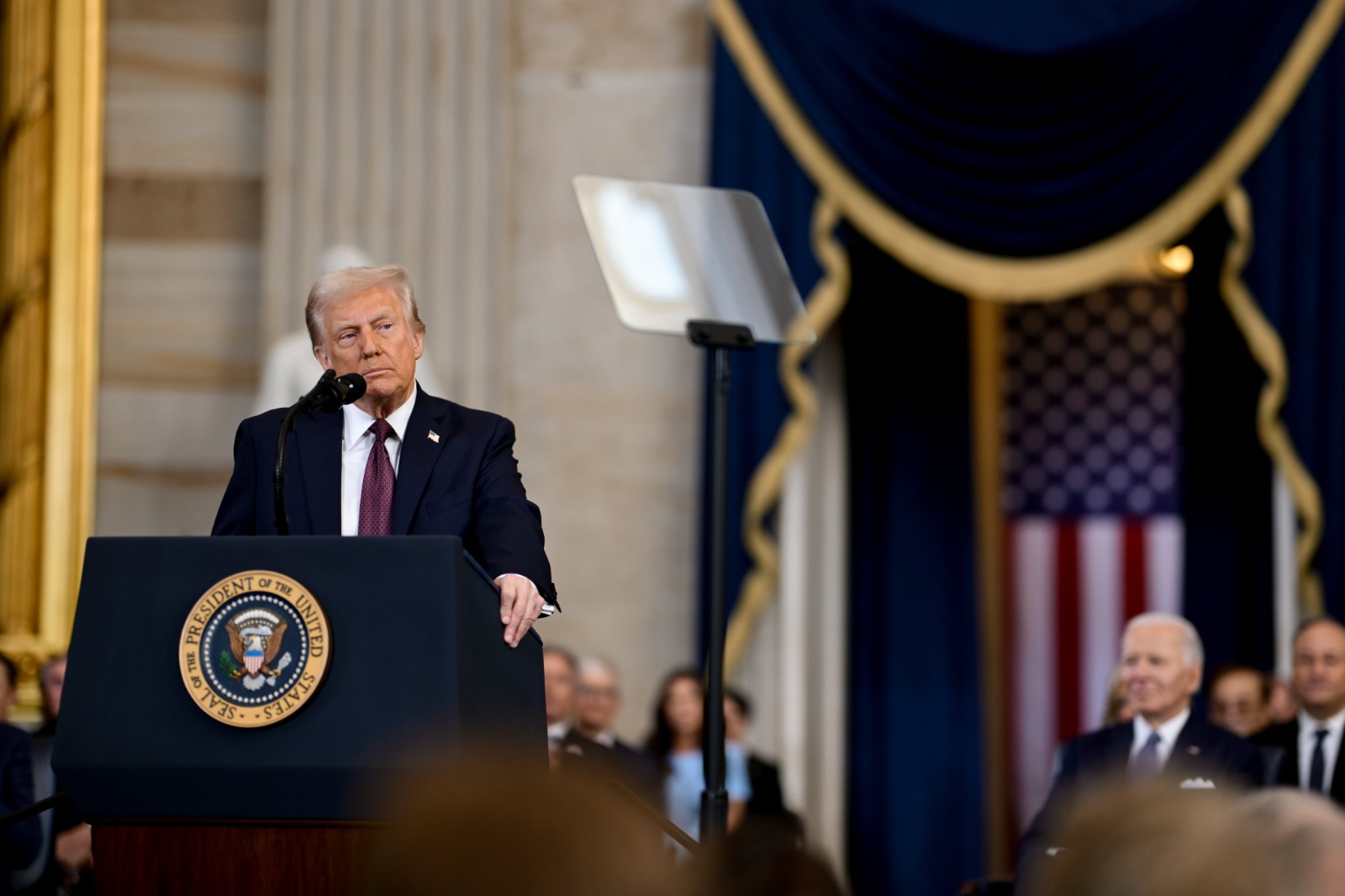
Photo: The Trump White House
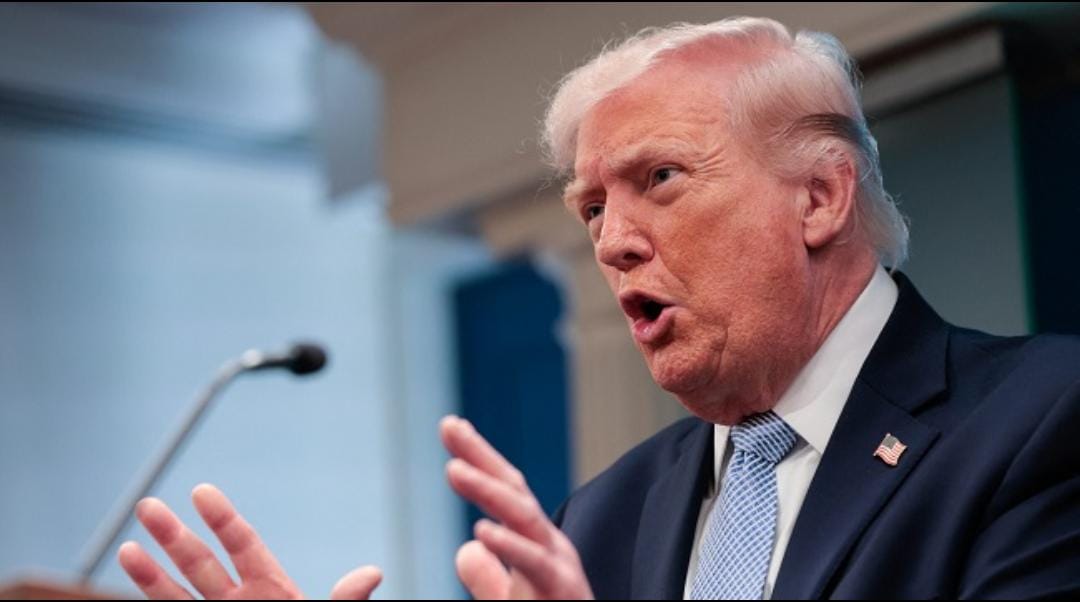
The administration of Donald Trump has initiated new trade investigations against 16 countries, including India, under Section 301 of the Office of the United States Trade Representative (USTR). The move comes as the White House seeks alternative mechanisms to pursue its tariff policies after a recent legal setback.
The investigations target several major trading partners, including Mexico, China, the European Union, Japan, Taiwan, Vietnam, South Korea, Singapore, Switzerland, Norway, Indonesia, Malaysia, Cambodia, Bangladesh and Thailand.
The decision follows a ruling by the Supreme Court of the United States last month that deemed the administration’s reciprocal tariff policy unlawful. In a 6–3 decision, the court concluded that the president did not have the authority to impose the duties under the International Emergency Economic Powers Act (IEEPA), a law traditionally used for national emergency measures rather than broad trade tariffs.
Section 301 Investigation Process
Under Section 301, the USTR will invite written submissions from stakeholders and conduct public hearings to examine the trade practices of the targeted countries. The office will also consult directly with the governments involved before issuing its findings.
Speaking about the process, USTR official Jamieson Greer said additional investigations could be launched depending on the outcomes.
“We do expect that there will be other Section 301 investigations on a country-specific basis, or maybe other tools or investigations that may come up,” Greer said, while declining to elaborate further.
He added that once the investigation process is completed, the administration will determine whether responsive action is required. Such measures could include tariffs, service-related fees, or other trade restrictions.
Implications for India–US Trade
The probe comes shortly after a trade agreement between India and the United States was announced in February. Under that arrangement, tariffs on Indian exports to the U.S. were reduced to 18%, significantly lower than the earlier 50% rate.
However, the policy framework behind the tariffs was challenged in court. Following the Supreme Court ruling that invalidated the administration’s authority under IEEPA, President Trump swiftly introduced a 10% global tariff, which was increased to 15% within 24 hours.
The newly announced Section 301 investigations are widely viewed as an attempt by the administration to establish a legally sustainable basis for potential retaliatory trade actions.
The outcome of the probes could significantly affect global trade dynamics, particularly for countries with large export volumes to the United States.
Yeh article aapko kaisa laga?