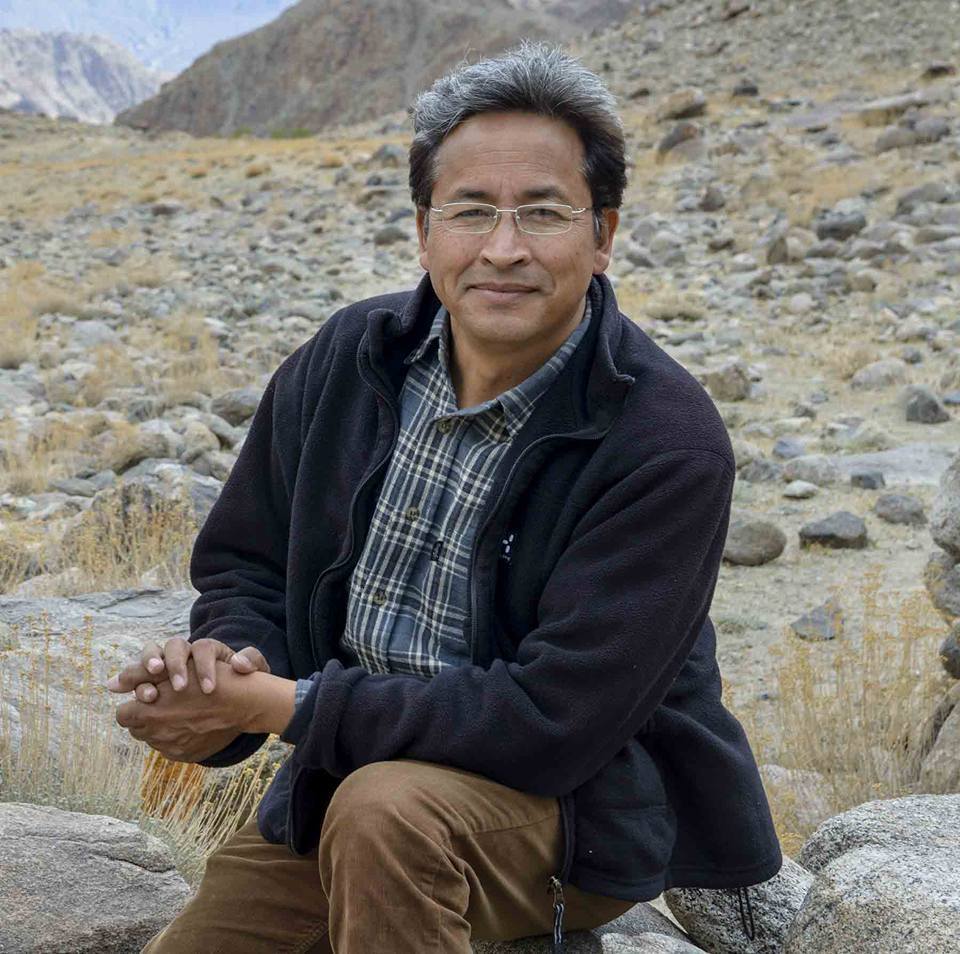
: Sonam WangChuk/Facebook
The Central government has revoked the preventive detention of Ladakh-based climate activist Sonam Wangchuk under the National Security Act (NSA), months after his arrest during protests in the Union Territory demanding constitutional safeguards and political autonomy.
The Ministry of Home Affairs (MHA) announced the decision on March 14, stating that the move was taken to foster an environment of “peace, stability, and mutual trust” in Ladakh. Wangchuk had been in detention since September 26, 2025, and was lodged in Jodhpur Central Jail following his arrest.
Despite the revocation, the legal challenge to Wangchuk’s detention remains pending before the Supreme Court of India, where the case has been under consideration for nearly six months.
Detention of Sonam Wangchuk Under the National Security Act
Sonam Wangchuk, a well-known environmentalist and education reformer from Ladakh, was detained under the National Security Act, 1980, following protests and demonstrations in the region demanding statehood for Ladakh and constitutional protections under the Sixth Schedule. The protests intensified amid concerns among local groups about political representation, protection of tribal identity, environmental safeguards, and control over land and employment following the region’s reorganisation as a Union Territory after the abrogation of Article 370 in 2019.
Authorities alleged that the protests had led to disruptions in public order and administrative functioning. Preventive detention under the NSA was invoked as part of measures to contain escalating tensions.
Under the NSA, authorities can detain individuals without formal charges or trial for up to twelve months if they are deemed to pose a threat to national security or public order. The law has historically been used in cases involving terrorism, organised crime, or major disturbances to public order. However, its use in situations involving political protest and activism has often generated legal and constitutional debate.
Government’s Reasons for Revoking the Detention
In its official statement, the Ministry of Home Affairs said the decision to revoke Wangchuk’s detention was taken after assessing the evolving situation in Ladakh and the need to encourage constructive dialogue.
The government noted that Wangchuk had already served nearly half of the maximum permissible detention period under the NSA. The statement further emphasised that the Centre has been engaging with community leaders, local stakeholders, and civil society groups in Ladakh to address long-standing concerns regarding governance and constitutional safeguards.
At the same time, the government expressed concern that prolonged protests and bandhs in the region had affected normal life, particularly impacting students preparing for examinations, job aspirants, local businesses, tourism operators, and visitors to the region. Ladakh’s economy relies heavily on tourism and seasonal business activity, and disruptions caused by prolonged protests had reportedly begun affecting local livelihoods.
Dialogue Mechanisms and the High-Powered Committee
The government indicated that discussions with Ladakh’s representatives will continue through institutional channels, including the High-Powered Committee constituted by the Centre to examine demands raised by various civil society organisations and political groups in the region.
This committee was formed to deliberate on key issues raised by Ladakhi groups, including:
The Sixth Schedule provides constitutional protections and administrative autonomy for tribal areas in certain northeastern states, allowing local councils to exercise authority over land, governance, and cultural preservation.
Several Ladakhi organisations have argued that similar protections are necessary to safeguard the region’s fragile ecology and unique cultural identity.
Supreme Court Proceedings Challenging the Detention
Even though Wangchuk’s detention has now been revoked, the Supreme Court proceedings challenging the legality of the detention order remain pending. The petition was filed by Wangchuk’s wife, Gitanjali Angmo, shortly after his arrest. The case has been heard by a Bench comprising Justices Aravind Kumar and P.B. Varale.
The Court first took up the matter on October 6, 2025, and several hearings have taken place since then.
During earlier proceedings, the Court examined the video transcripts relied upon by the authorities to justify Wangchuk’s detention. The Centre had argued that certain speeches and statements made by Wangchuk had the potential to disturb public order in the region.
However, the Bench reportedly remarked during the hearings that the detaining authority may have “read too much” into the activist’s statements, raising questions about whether the speeches genuinely justified preventive detention.
Concerns Over Delays in the Case
A significant issue during the Supreme Court proceedings has been the delay in reaching a final decision. Arguments in the case concluded last month, but the matter remained pending after the Central government sought additional time to make submissions regarding the interpretation of the video transcripts. During one of the hearings, Senior Advocate Kapil Sibal, appearing for Gitanjali Angmo, expressed frustration over the delay and told the Court that the matter “cannot go on forever.”
On March 10, the Bench indicated that it would personally review the video recordings cited by the government before delivering its final ruling.
The case was subsequently listed multiple times, but hearings were adjourned after the Centre sought additional time to file submissions. The matter is now scheduled to be heard again on March 17.
The Broader Debate Around Preventive Detention Laws.
The detention of Sonam Wangchuk has once again brought attention to the use of preventive detention laws in India, particularly in contexts involving public protest and political expression.
Preventive detention laws like the National Security Act allow authorities to detain individuals without trial in order to prevent potential threats to national security or public order. While the Supreme Court has upheld the constitutionality of preventive detention under Article 22 of the Constitution, courts have repeatedly emphasised that such powers must be exercised with extreme caution.
Legal scholars and civil liberties advocates argue that the use of preventive detention against activists or political protesters raises serious questions about the balance between state authority and fundamental rights, including freedom of speech and personal liberty under Article 21.
What Lies Ahead
With Wangchuk’s detention now revoked, the immediate question of his continued incarceration has been resolved. However, the constitutional questions raised before the Supreme Court remain significant. The Court’s eventual decision could clarify the standards governing the use of preventive detention in situations involving public protest, political activism, and dissent.
For now, the case stands at the intersection of national security law, constitutional freedoms, and regional political aspirations, highlighting the complex challenges faced by the legal system in balancing state authority with democratic rights.
Yeh article aapko kaisa laga?