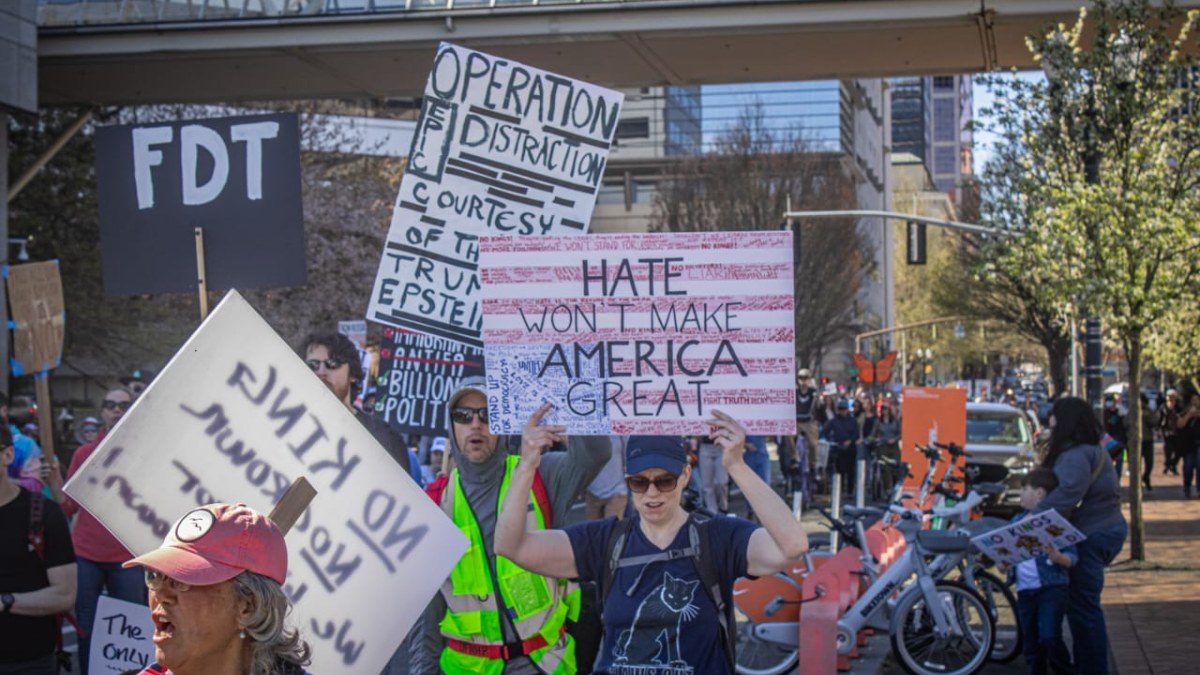
Photo: Outinthetrenches, CC BY-SA 4.0
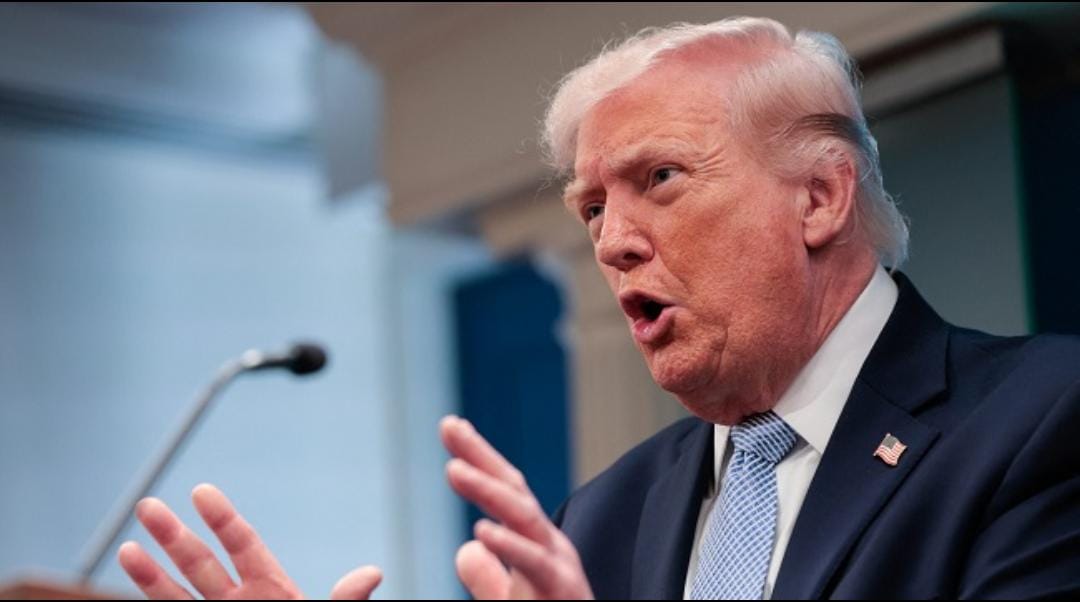
Large-scale demonstrations erupted across the United States on Saturday as part of the third nationwide “No Kings” protest movement, drawing millions of participants voicing opposition to the administration of Donald Trump.
Organizers estimate that more than eight million individuals took part in rallies spanning major metropolitan centers and smaller communities, though these figures remain unverified by independent sources.
Nationwide Demonstrations and Key Locations
Protests were reported in nearly every major U.S. city, including significant gatherings in Washington, D.C., New York City, Los Angeles, and St. Paul. In the nation’s capital, demonstrators assembled in large numbers around the Lincoln Memorial and the National Mall, filling public spaces with protest signs and organized marches.
International solidarity protests were also observed in cities such as Paris, London, and Lisbon, reflecting the global attention surrounding U.S. domestic political developments.
Core Issues and Political Context
Participants cited a range of concerns, including immigration enforcement policies, the rising cost of living, and U.S. involvement in international conflicts, particularly tensions involving Iran. Protest organizers characterized the administration’s actions as an overreach of executive authority, accusing the president of undermining democratic institutions.
In contrast, a White House spokesperson dismissed the demonstrations, referring to them as “Trump Derangement Therapy Sessions,” and downplaying their broader public significance.
High-Profile Appearances and Public Statements
The protests featured appearances by prominent public figures. Actor Robert De Niro attended the New York rally, publicly criticizing the president and urging continued peaceful resistance. Musician Bruce Springsteen performed at the Minnesota event, where thousands gathered outside the State Capitol.
Minnesota’s demonstration held particular significance due to the earlier deaths of two civilians, Renee Nicole Good and Alex Pretti, during a federal immigration enforcement operation in January , an incident that has fueled ongoing national debate.
Law Enforcement Response and Isolated Incidents
While organizers emphasized the largely peaceful nature of the protests, several incidents of unrest were reported. In Los Angeles, authorities confirmed arrests following clashes near federal facilities, including allegations of assault on federal officers. Additional arrests occurred after demonstrators failed to comply with dispersal orders.
In Dallas, minor confrontations were reported between protesters and counter-protesters, leading to limited law enforcement intervention. Authorities in multiple states had preemptively mobilized National Guard units, though no widespread deployment was required.
Political Implications
Since returning to office in January 2025, President Trump has enacted a series of executive measures expanding federal authority, including restructuring parts of the government and deploying National Guard forces to certain cities despite objections from state leadership. Critics argue that such actions may challenge constitutional limits on executive power.
The president has rejected these claims, asserting that his policies are necessary to address national instability and has denied accusations of authoritarian intent.
Conclusion
The latest “No Kings” demonstrations mark one of the largest coordinated protest movements in recent U.S. history, surpassing previous iterations in scale. As political divisions deepen, the events underscore ongoing tensions between the administration and its critics, with significant implications for governance, civil liberties, and the broader democratic framework in the United States.
Yeh article aapko kaisa laga?