
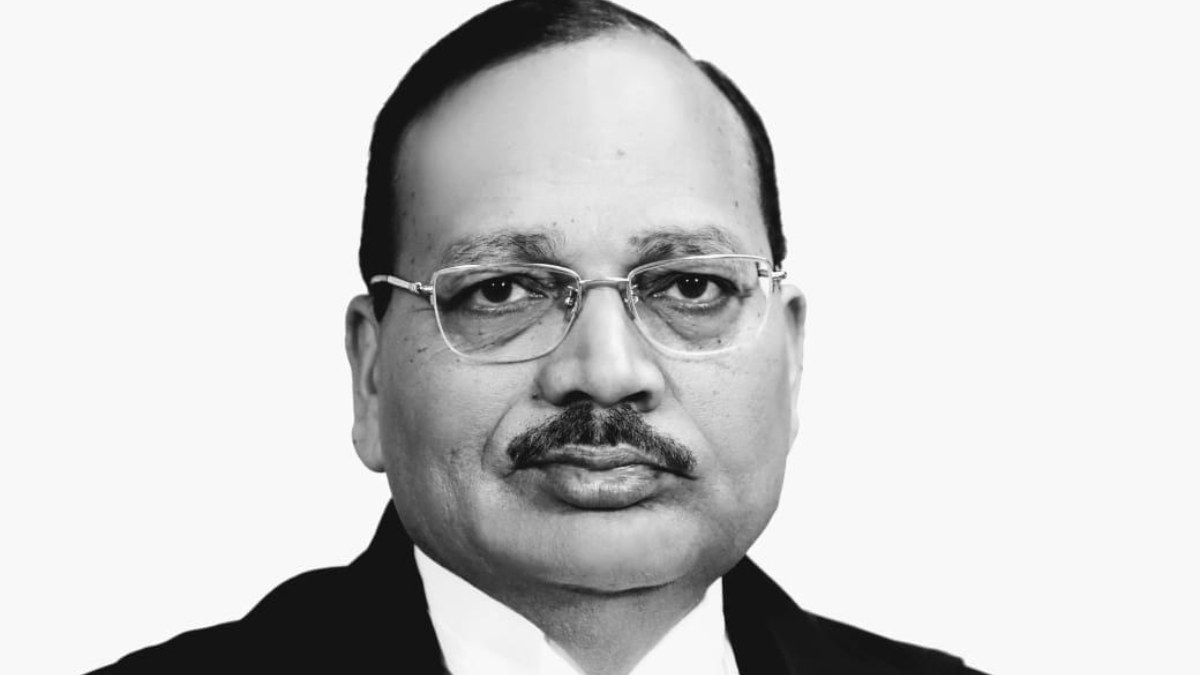
Photo:Justice Surya Kant is a Judge of Supreme Court of India
Chief Justice of India (CJI) Surya Kant has suggested creating a proper system to involve retired judges in important roles even after they leave the court. He believes their experience and knowledge should not go to waste. He proposed making a national registry (a formal list) of retired judges who are willing to help in different areas like dispute resolution and legal education.
Roles suggested for retired judges
CJI Surya Kant explained that retired judges can contribute in four main ways:
• Mediators and arbitrators :- helping resolve disputes in commercial and family matters without going to court.
• Legal educators :- teaching people in schools, colleges, and villages (Gram Panchayats) about their legal rights in simple language.
• Pre-litigation counsellors :- guiding people before they file cases in court.
• Mentors and institution builders :- training young mediators and legal aid lawyers.
Need for a formal system
He suggested signing agreements (MoUs) between:
• The Association of Retired Judges of Supreme Court and High Courts of India
• State Legal Services Authorities
• High Courts
This would ensure that retired judges are involved in an organized and official manner, not just on a voluntary basis.
Judges remain valuable even after retirement
CJI Surya Kant said that retirement does not end a judge’s purpose. He criticized the common practice of honoring judges at retirement and then forgetting their contribution.
He said:
(“Even though judges retire, their wisdom and experience remain valuable.”)
According to him, judges have a deep understanding of people and society, not just the law. This knowledge cannot be replaced by books or institutions.
Public trust is a valuable asset
He also highlighted that people trust former judges. This trust, built over years of service, is a national resource and should be used for the benefit of society.
Not just voluntary work
The CJI emphasized that this system should not be informal. Instead, it should:
• Give retired judges dignity
• Provide proper support
• Ensure accountability
• Life after retirement
He also spoke about how many judges feel lost after retirement. He said this feeling shows that their purpose is still alive, but they need new opportunities to continue contributing.
On dispute resolution systems
CJI Surya Kant also questioned the term “alternative dispute resolution (ADR)”.
He said that for many people in India, methods like:
• Mediation
• Arbitration
• Lok Adalats
• Conciliation
Are not “alternatives” but often the only way to get justice, especially for those who cannot easily access courts.
“A Vision for Strengthening Justice Delivery”:
Chief Justice of India Surya Kant is advocating for a structured and institutional framework to effectively utilize the experience of retired judges in areas like dispute resolution, legal education, and public service. He has proposed the creation of a national registry of willing former judges, along with formal Memoranda of Understanding (MoUs) between the Association of Retired Judges, State Legal Services Authorities, and High Courts to ensure coordinated and accountable engagement
His vision goes beyond voluntary participation he emphasizes institutional recognition, dignity, and defined responsibilities for retired judges. By integrating them into mechanisms such as mediation, arbitration, legal awareness campaigns, and mentorship programs, the initiative aims to strengthen access to justice, especially through systems like Alternative Dispute Resolution.
Ultimately, he underscores that the expertise, social understanding, and public trust built by judges over decades are invaluable national assets. Rather than allowing this resource to remain underutilized, he calls for a systematic approach to channel their contributions toward improving judicial efficiency, expanding legal awareness, and supporting the broader justice delivery system in India.
Yeh article aapko kaisa laga?