
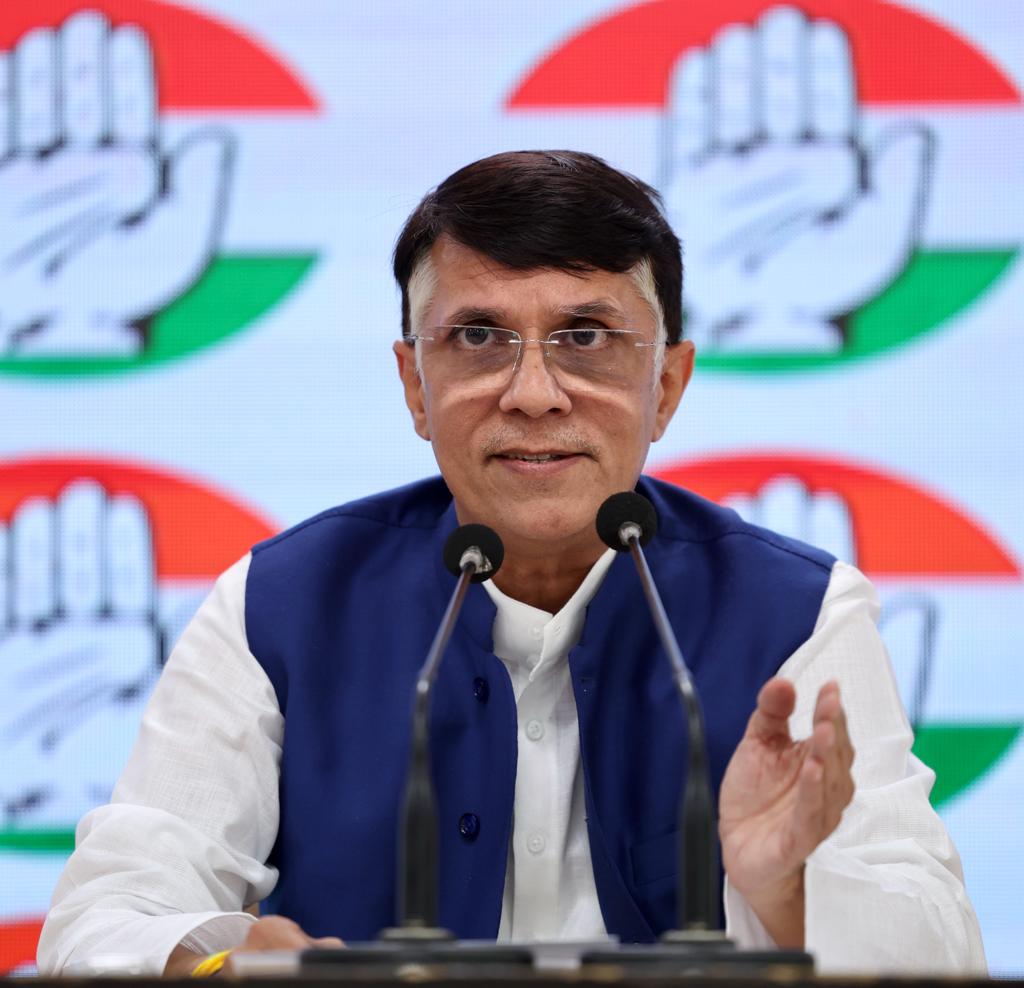
Photo: Pawan Khera
Background of the Case
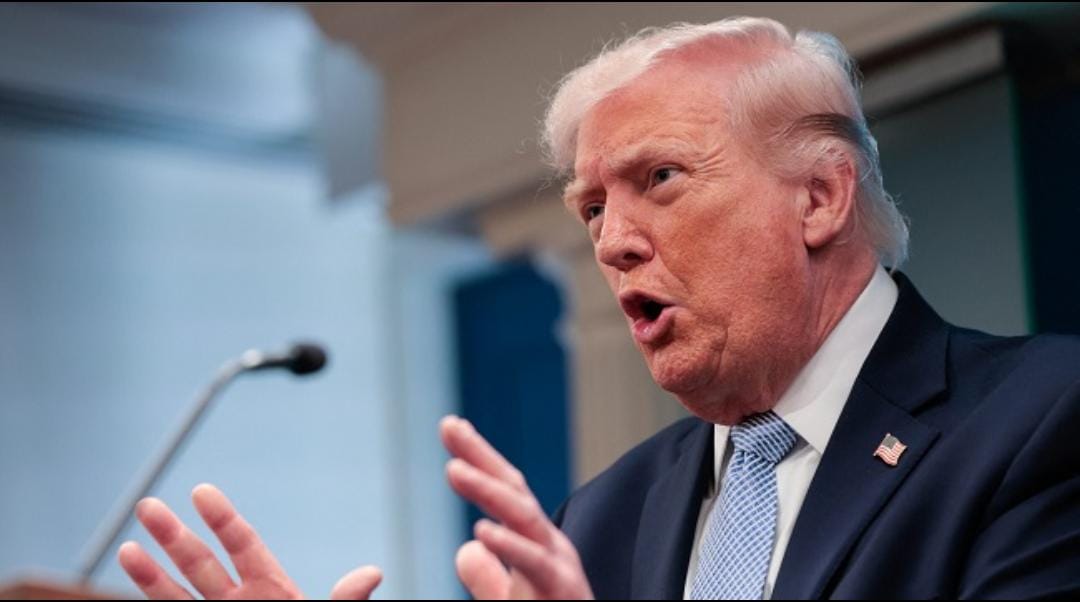
In a major political and legal development, the Supreme Court of India on Thursday reserved its judgment on the anticipatory bail plea filed by Congress leader Pawan Khera. The case has drawn widespread attention due to the serious nature of the allegations and the political context surrounding it.
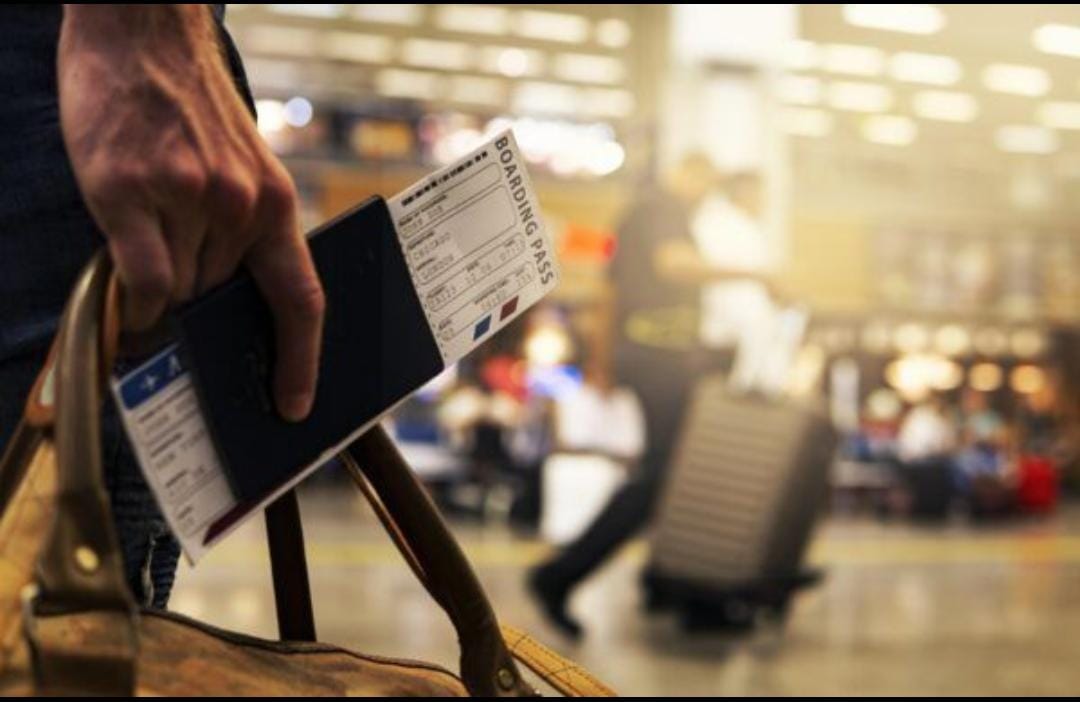
The controversy began when Riniki Bhuyan Sarma, wife of Himanta Biswa Sarma, filed a complaint accusing Khera of making false public statements. Khera had alleged that she possessed multiple foreign passports and had financial interests abroad. Following this complaint, the Assam Police registered an FIR under several provisions of the Bharatiya Nyaya Sanhita, including charges related to cheating, forgery of documents, use of forged documents, false election statements, intentional insult, and defamation. These allegations elevated the case beyond a simple political dispute.
Proceedings Before the Supreme Court
The matter was heard by a bench comprising Justice J.K. Maheshwari and Justice Atul Chandurkar. After detailed arguments from both sides, the Court reserved its judgment, which means the final decision will be delivered at a later date.
During the hearing, senior advocate Abhishek Manu Singhvi, appearing for Khera, described the case as “unprecedented” and pointed to certain public statements allegedly made by the Chief Minister. He argued that such remarks were not appropriate for someone holding a constitutional office.
“Arguments by Pawan Khera’s Side”
Khera’s counsel strongly maintained that the case is essentially about defamation and reputational harm, and does not justify arrest or custodial interrogation. Singhvi argued that even if the allegations were assumed to be true, there was no necessity to arrest Khera, especially when he was willing to cooperate with the investigation.
He also criticized the manner in which Assam Police attempted to arrest Khera, claiming that a large team of officers was deployed unnecessarily, treating him like a dangerous criminal. According to Singhvi, such actions were excessive and humiliating. He further challenged the Gauhati High Court’s earlier decision denying bail, stating that it referred to legal provisions not mentioned in the FIR and made observations that could influence the trial. Emphasizing the importance of personal liberty under Article 21, he argued that Khera is a public figure and not a flight risk.
“Arguments by the State of Assam”
Opposing the plea, Solicitor General Tushar Mehta argued that the case goes far beyond defamation and involves serious allegations of forgery and fabrication of documents. He informed the Court that Khera had displayed images of alleged passports during a press conference, but investigations suggest that these documents were fake.
Mehta stressed that custodial interrogation is necessary to identify the source of the forged documents, uncover any accomplices, and examine whether there was involvement of foreign entities. He argued that such interrogation is more effective in uncovering the truth in complex cases. The State also claimed that Khera had been avoiding the investigation since the FIR was registered.
Earlier Court Proceedings
The case has seen multiple legal developments. After the FIR was filed in Assam, Khera initially approached the Telangana High Court, which granted him transit anticipatory bail for a short period. However, the Supreme Court later stayed this protection and directed him to seek relief from the appropriate court in Assam.
Subsequently, Khera approached the Gauhati High Court, but his anticipatory bail plea was rejected. The High Court observed that the case involved serious allegations requiring custodial interrogation and noted that Khera had failed to provide evidence supporting his claims. It also remarked that a private individual had been unnecessarily dragged into a political controversy.
Key Legal Question Before the Court
The central issue before the Supreme Court of India is whether the case should be treated primarily as a matter of defamation or as a serious criminal case involving forgery and possible larger implications. This distinction is crucial in deciding whether anticipatory bail should be granted or whether custodial interrogation is justified.
What Lies Ahead
The case, titled Pawan Khera v. State of Assam (SLP (Crl) No. 7786/2026), is now awaiting the final verdict. The decision is expected to have wider implications for issues such as political speech, the use of criminal law in political disputes, and the protection of personal liberty.
All eyes are now on the Supreme Court of India as it prepares to deliver its judgment in this high-profile and closely followed case.
Yeh article aapko kaisa laga?