
Photo: GDA by X
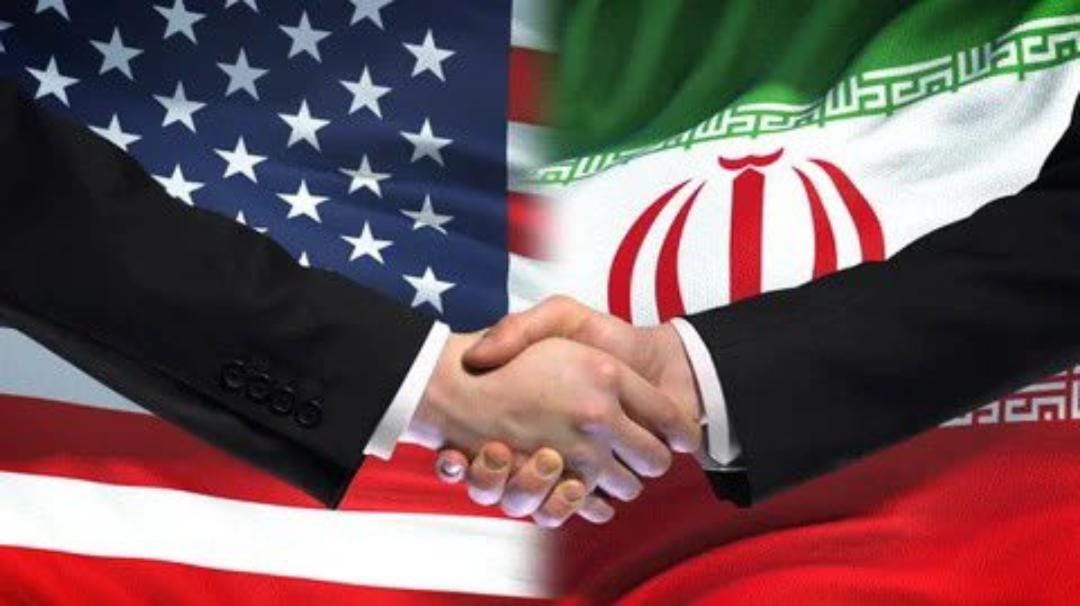
Geopolitical chessboard of the Middle East is experiencing its most dramatic realignment in decades. After months of devastating conflict, a series of high stakes, indirect negotiations between the United States and Iran has brought the two nations to the edge of a historic memorandum of understanding. Yet, even as US Secretary of State Marco Rubio hints that a breakthrough is tantalizingly close, the Iranian Foreign Ministry has injected a heavy dose of caution, declaring that while substantial progress has been made, an official signing is “not imminent.”
To understand why this deal is teetering between a monumental breakthrough and an frustrating stalemate, one must look beyond the public rhetoric and dissect the intense structural, economic, and operational pressures shaping the talks.
What is Actually on the Table?
The proposed framework currently being brokered through regional intermediaries is not a comprehensive, permanent peace treaty. Instead, it is structured as a phased, transitional mechanism designed to halt immediate bloodletting while deferring the most combustible disputes to future working groups.
The immediate, architecture revolves around a few non-negotiable pillars:
• The 60 Days Ceasefire Extension: Building upon a fragile, temporary truce originally brokered in april via Pakistan, this extension aims to formally freeze military hostilities across the theater. Critically, US officials intend for this cessation to apply broadly, hoping to cool friction points involving regional actors.
• Reopening the Strait of Hormuz: This is the crown jewel of the preliminary package. Iran has heavily disrupted or blocked this vital waterway, through which roughly 20% of the world’s liquefied natural gas and petroleum flows. The draft agreement requires Iran to clear active naval mines and guarantee unhindered transit.
• Lifting the Maritime Blockade:
In exchange for an open strait, the United States has signaled its willingness to lift the strict counter blockade levied against Iranian ports since mid april, which has choked Tehran’s remaining commercial avenues.
Three Flashpoints Delaying the Ink
While a preliminary consensus exists on paper, the entire arrangement remains highly volatile. Analysts point to three core fractures preventing the agreement from crossing the finish line.
1. The Transit Fee Illusion
A glaring disconnect remains regarding the legal status of the Strait of Hormuz. Washington insists upon an entirely open international waterway completely free of arbitrary tolls. Conversely, Iranian officials have attempted to reframe transit fees as “protection or environmental fees” to maintain a veneer of domestic sovereignty and authority over the coastal waters. The US has explicitly rejected this protection racket framing, creating an acute diplomatic impasse.
2. The Nuclear Stockpile Disconnect
The current administration has established rigorous benchmarks, famously demanding that Iran dismantle its highly enriched uranium (HEU) stockpiles. While some Western intelligence suggested Tehran might consider transferring its material to a third party like China in exchange for guaranteed sanctions relief, senior Iranian officials have pushed back aggressively, claiming their nuclear infrastructure remains completely outside the boundaries of this preliminary truce.
3. The Shadow of the Abraham Accords
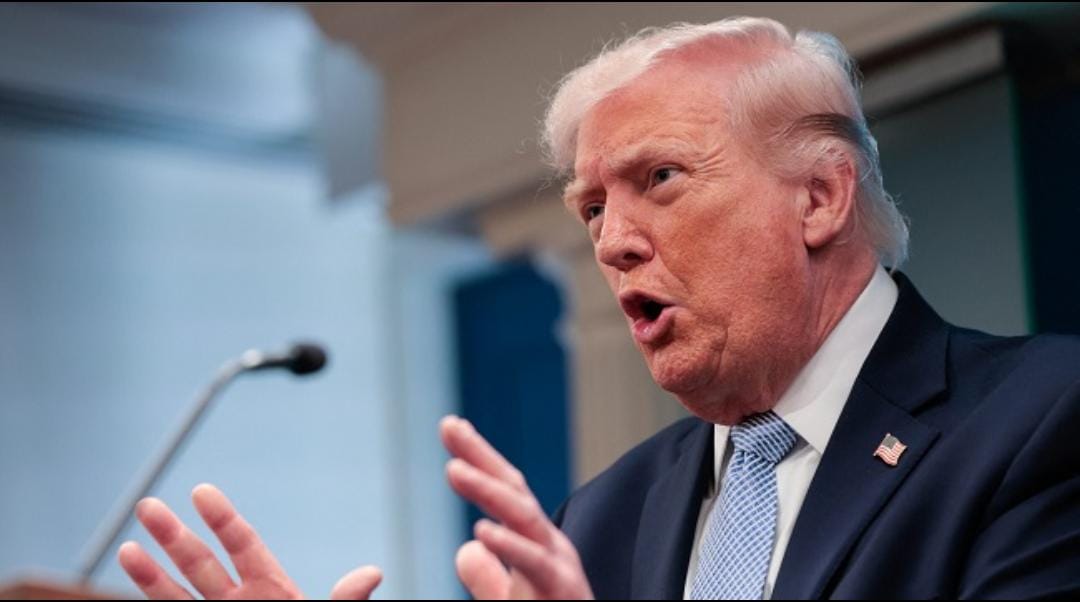
Adding an unexpected layer of complexity, President Donald Trump has publicly sought to tie the finalization of the deal to broader regional normalization. He recently declared it “mandatory” that participating regional mediators including Pakistan, Qatar, and Turkey simultaneously sign onto the Abraham Accords to normalize relations with Israel. This sweeping demand has rankled negotiators who view it as a massive, complicating expansion of a localized ceasefire negotiation.
A Hidden Leader and Slow Comms
Beyond pure policy disagreements, an extraordinary operational bottleneck is stalling the pace of diplomacy. Following an intensive military strike on the opening day of the conflict that killed the previous Supreme Leader, US intelligence reports indicate that the new Supreme Leader, Mojtaba Khamenei, suffered injuries and remains hidden in an undisclosed, fortified location.
Because the leader is heavily insulated from conventional communications networks to avoid detection, the physical chain of command between Tehran and its active diplomatic envoys in Qatar and Pakistan is painfully slow. Envoys must wait days for micro decisions to clear the insulated leadership core, explaining Secretary Rubio’s candid acknowledgment that “it takes a little while to hear back from Iran.”
Trillion-Dollar Waiting Game
The sheer economic gravity of these negotiations was put on vivid display on Monday. As rumors of a signed accord swirled from New Delhi to Washington, global energy markets reacted instantaneously, international benchmark brent crude prices dropped sharply, and Asian equities rallied on the prospect of restored maritime commerce.
However, the market’s relief proved short lived. Renewed reports of mysterious explosions and counter-mine skirmishes near the Iranian port of Bandar Abbas quickly pushed energy prices right back up, reminding the world that until the papers are formally signed, the line between regional stabilization and catastrophic escalation remains razor thin.
Yeh article aapko kaisa laga?