
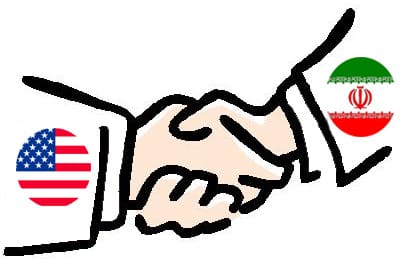
Image credit: sign of peace.
In a development that could reshape relations between Washington and Tehran, the United States and Iran have virtually signed a memorandum of understanding (MoU) aimed at ending nearly four months of conflict between the two countries. The breakthrough is being viewed as the most significant diplomatic achievement since tensions escalated into open confrontation earlier this year.
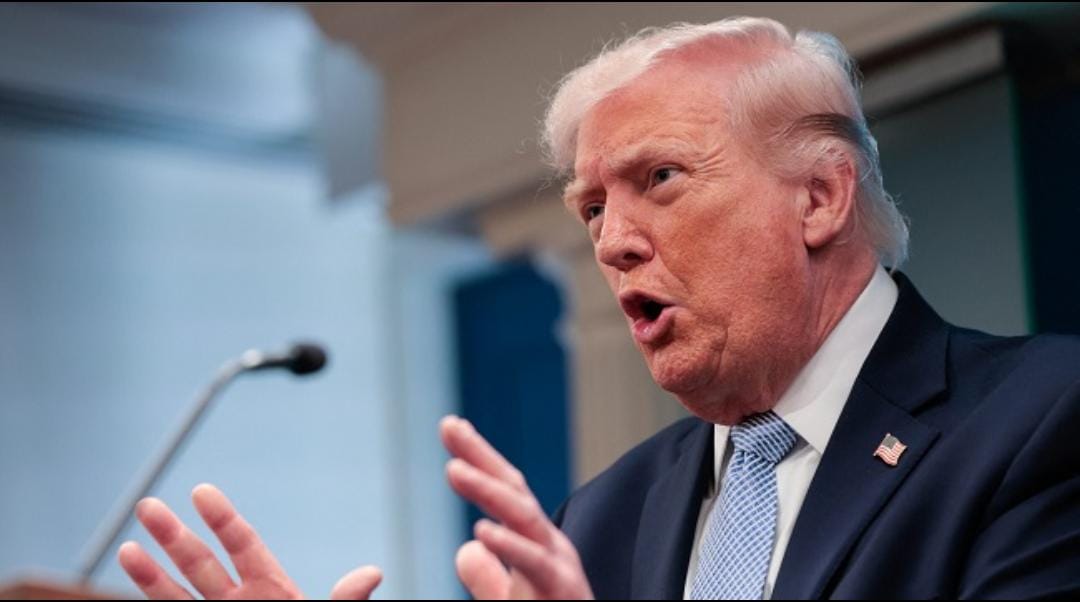
According to senior US officials, the memorandum has already been signed electronically by US President Donald Trump, Vice President JD Vance, and Iranian Parliament Speaker Mohammad Bagher Ghalibaf. While the agreement has been finalized in principle, a formal signing ceremony is scheduled for Friday, where representatives from both sides are expected to publicly endorse the document.
Officials have also indicated that the complete details of the agreement could be released within the next 48 hours, offering the world a clearer picture of what both nations have agreed upon and what challenges remain.
“A Breakthrough After Months of Hostility”
The conflict between the United States and Iran has dominated international headlines for months, creating fears of a wider regional crisis. Military confrontations, diplomatic accusations, and growing uncertainty had raised concerns among global leaders, businesses, and ordinary citizens alike.
Against this backdrop, the virtual signing of the MoU represents a major shift from confrontation to dialogue. While it does not immediately end all disagreements between the two countries, it creates a framework for future negotiations and establishes a roadmap toward a more comprehensive peace agreement.
Officials familiar with the discussions described the memorandum as a confidence-building measure designed to reduce tensions and prevent further escalation. The agreement reportedly reflects weeks of intensive diplomatic efforts conducted through multiple channels.
What the Memorandum Means
Although the full text of the memorandum has not yet been made public, officials suggest that it serves as a foundation rather than a final settlement.
The MoU is expected to outline broad principles for peace, including commitments to continued dialogue, mechanisms for reducing military tensions, and steps aimed at rebuilding trust between the two governments. However, several complex issues remain unresolved and will require further negotiations in the coming weeks and months.
Diplomatic sources have indicated that topics such as regional security arrangements, sanctions, economic cooperation, and long-term political commitments are still under discussion. These issues have historically been among the most challenging aspects of US-Iran relations.
As a result, while the agreement marks an important milestone, experts caution that the peace process remains a work in progress.
The Significance of Virtual Diplomacy
One of the most notable aspects of this development is the use of virtual diplomacy. Rather than gathering in a single location, the leaders involved signed the memorandum electronically, highlighting how modern technology is increasingly shaping international negotiations.
Analysts believe the virtual signing allowed both sides to move quickly while avoiding the logistical and political challenges often associated with high-profile diplomatic meetings. It also demonstrates a willingness from both governments to maintain momentum in the peace process despite lingering differences.
The planned formal ceremony on Friday is expected to provide the symbolic and diplomatic weight that traditionally accompanies such agreements.
“Political Implications for Washington and Tehran”
For President Donald Trump and Vice President JD Vance, the memorandum could be presented as a major foreign policy achievement. Bringing a prolonged conflict closer to resolution may strengthen the administration’s argument that diplomacy can deliver results even in highly challenging circumstances.
On the Iranian side, Parliament Speaker Mohammad Bagher Ghalibaf’s participation signals that influential political figures within Tehran support continued engagement with the United States. This backing could prove essential as negotiations move into more sensitive areas.
However, leaders in both countries are likely to face scrutiny from domestic audiences. Supporters may welcome the reduction in tensions, while critics could question whether the agreement adequately protects national interests.
Global Reactions and Regional Impact
The international community is expected to closely monitor the next stages of the peace process. Many countries have long advocated for a diplomatic solution, warning that continued conflict between the United States and Iran could destabilize an already fragile region.
A successful peace agreement could help ease geopolitical tensions, improve economic confidence, and reduce security concerns across the Middle East. Energy markets, which often react strongly to instability in the region, may also respond positively if negotiations continue to progress.
At the same time, regional allies and partners will likely seek clarity on how the agreement affects broader security arrangements and future diplomatic relationships.
The Road Ahead
Despite the optimism surrounding the memorandum, officials on both sides acknowledge that significant work remains. Peace agreements are rarely completed in a single step, and the most difficult negotiations often occur after an initial framework has been established.
The coming days will therefore be crucial. The expected release of the agreement’s details and the formal signing ceremony on Friday will provide a better understanding of how far the two countries have come and how much distance still needs to be covered.
For now, the virtual signing of the MoU represents a rare moment of hope after months of uncertainty. While challenges remain, the agreement signals a shared willingness to pursue dialogue over confrontation, offering a potential pathway toward lasting peace between two long-standing rivals.
Yeh article aapko kaisa laga?