
Image credit:Radio Indian/ parliament of India by X
Concerns Grow Over Proposed Viksit Bharat Shiksha Adhishthan Bill, 2025
The proposed Viksit Bharat Shiksha Adhishthan (VBSA) Bill, 2025, introduced by the Central government to reform India’s higher education regulatory system, has triggered widespread debate. Interestingly, objections have not only come from Opposition ruled States but also from several NDA-ruled States, including Andhra Pradesh, Madhya Pradesh, and Meghalaya. Along with State governments, leading universities have also expressed concerns that the Bill may lead to excessive centralisation of powers and reduce the autonomy of higher educational institutions.
The concerns were placed before a Parliamentary Standing Committee examining the Bill, highlighting that while reforms are necessary, they should not come at the cost of federalism and institutional independence.
What Does the Bill Propose?
The Viksit Bharat Shiksha Adhishthan Bill, 2025, aims to completely restructure the regulatory framework governing higher education in India. It proposes repealing the laws governing three major regulatory bodies:
• University Grants Commission (UGC)
• All India Council for Technical Education (AICTE)
• National Council for Teacher Education (NCTE)
In place of these separate institutions, the Bill proposes creating a single apex regulator called the Viksit Bharat Shiksha Adhishthan (VBSA).
According to the Centre, this move is intended to simplify regulation, reduce overlapping functions, improve coordination, and create a more efficient higher education governance system aligned with the goals of the National Education Policy (NEP) 2020.
States Fear Excessive Centralisation
Despite supporting educational reforms in principle, several NDA-ruled States have expressed reservations regarding the powers proposed to be given to the Central government.
Representatives from Andhra Pradesh, Madhya Pradesh, and Meghalaya reportedly informed the parliamentary panel that the Bill grants extensive authority to the Centre in matters related to higher education regulation. They argued that education is a subject requiring close cooperation between the Union and the States and that excessive concentration of power at the national level could weaken the federal structure envisioned by the Constitution.
The States also stressed that regional educational priorities often differ from one another. A uniform regulatory approach may not adequately address the diverse academic, social, and developmental needs of different parts of the country.
“Universities Seek Greater Institutional Independence”
Several universities also presented their concerns before the parliamentary committee. They argued that the proposed structure may reduce the operational independence of educational institutions and regulators.
One of the strongest observations reportedly came from Banaras Hindu University (BHU), which warned that the proposed legislation could transform an independent regulator into an extension of the Central government. According to the university, regulatory bodies should function independently to ensure fairness, academic freedom, and credibility.
Universities also recommended stronger legal safeguards to protect institutional autonomy. They suggested that important regulatory decisions should be subject to greater transparency and parliamentary oversight rather than being concentrated within the executive.
Demand for Parliamentary Oversight
Another major recommendation made during the consultations was the need for stronger parliamentary supervision over the functioning of the proposed regulator.
Educational institutions argued that major policy decisions affecting universities, accreditation standards, funding mechanisms, and academic regulations should involve adequate legislative scrutiny. Such oversight, they believe, would enhance accountability and prevent arbitrary decision-making.
Experts have also pointed out that independent regulators function more effectively when their powers are balanced by transparent review mechanisms.
Why the Debate Matters ?
The debate surrounding the VBSA Bill is significant because higher education directly influences the country’s research ecosystem, skilled workforce, innovation capacity, and global academic reputation.
Supporters of the Bill argue that India’s existing regulatory framework has become fragmented and inefficient, with multiple agencies often performing overlapping roles. They believe that a single regulator can reduce bureaucratic hurdles, improve policy implementation, and create uniform quality standards across institutions.
However, critics caution that administrative efficiency should not come at the expense of institutional autonomy. Universities have historically enjoyed academic independence, allowing them to develop curricula, conduct research, and make academic decisions free from excessive governmental influence.
The challenge before policymakers is to strike the right balance between regulatory efficiency and academic freedom.
Federalism at the Centre of the Discussion
The objections raised by NDA-ruled States make the debate particularly noteworthy. Since these States are politically aligned with the Central government, their concerns indicate that the issue extends beyond party politics.
Education falls within the Concurrent List of the Constitution, meaning both the Union and State governments have legislative authority over the subject. As a result, any major restructuring of higher education governance requires careful consultation with States to maintain cooperative federalism.
Many education experts believe that successful reforms are more likely when they emerge through consensus rather than unilateral decision-making.
The Road Ahead
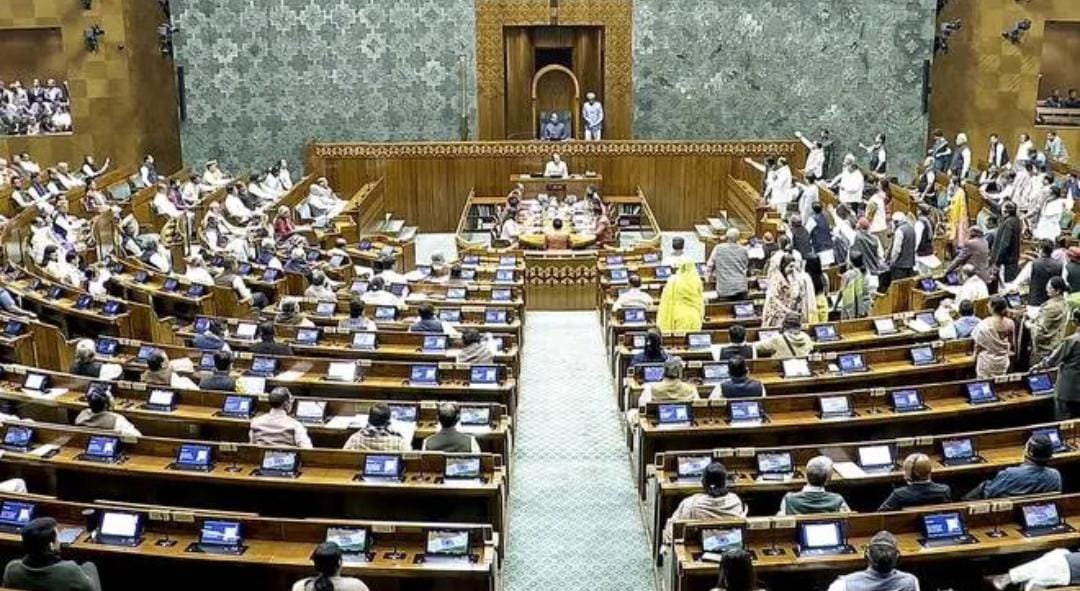
The Parliamentary Standing Committee is expected to carefully examine the suggestions received from State governments, universities, and other stakeholders before submitting its report. Based on these recommendations, changes may be made to the Bill before it is taken up for further parliamentary consideration.
The government has maintained that the objective of the proposed legislation is to modernise India’s higher education regulatory framework and improve governance. At the same time, stakeholders continue to insist that reforms should preserve institutional independence, constitutional federalism, and academic excellence.
As discussions continue, the future of the Viksit Bharat Shiksha Adhishthan Bill will likely depend on how effectively it balances the goals of administrative efficiency with the principles of autonomy, accountability, and cooperative governance. The final shape of the legislation will play an important role in determining the future direction of higher education in India.
Yeh article aapko kaisa laga?