As India marks its 77th Republic Day, we at LexHour step into the digital public sphere with a simple commitment: to observe the law as it unfolds and to explain it as it matters. There could be no more fitting moment to begin this journey than a day that celebrates the Constitution as the foundation of India’s republic.
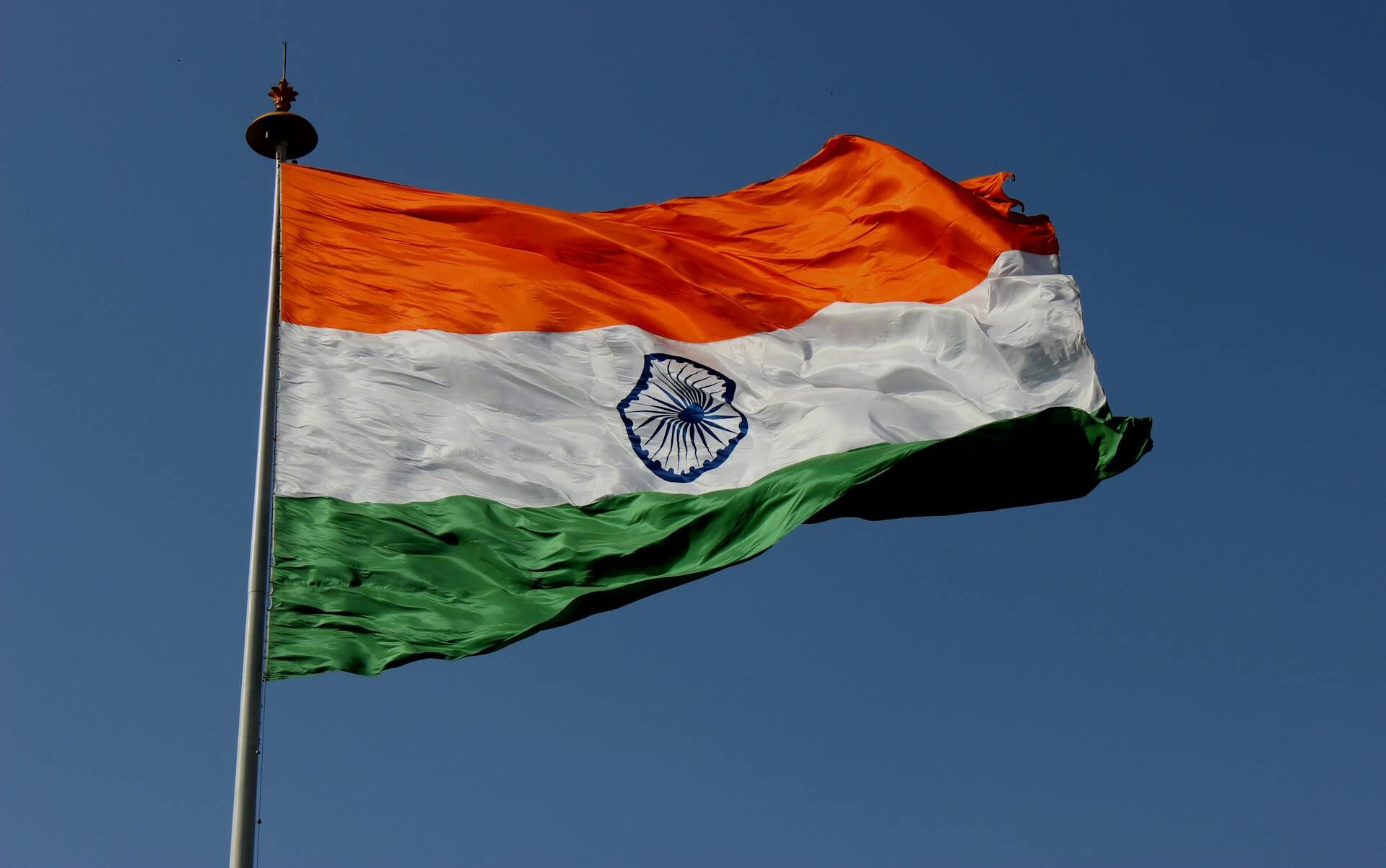
Republic Day is often seen through the lens of display, but its deeper significance lies in what it quietly sanctions each year, that power in India flows from the Constitution and remains bound by it. When the Constitution came into force on 26th of January, 1950, India did not merely replace the erstwhile colonial rule with elected governance but it chose a republic in which authority would be limited by law, tested by courts, and accountable to citizens. As famously articulated by Lincoln, governance in a republic must remain “of the people, by the people, for the people.”
Key Highlights of Republic Day Parade
The 77th Republic Day celebrations reflect this constitutional idea in both form and substance. The parade along the Kartavya Path features around thirty tableaux representing States, Union Territories, and central ministries, each expressing regional identity within a shared federal framework. With over 2,000 performers taking part, proving that diversity is not displayed as fragmentation but organized as constitutional unity.
This year’s celebrations also carry diplomatic significance, with senior leaders from the European Union attending as Chief Guests who are, António Luís Santos da Costa (President of European Council), and Ursula von der Leyen (President of the European Commission), underlining how constitutional stability shapes India’s global engagement.
The Tableaux
The 77th Republic Day parade, held along Kartavya Path in New Delhi, combined constitutional symbolism with visible shifts in India’s defense posture, cultural representation, and diplomatic engagement. A major visual highlight this year was the animal contingent of the Indian Defense Forces, popularly referred to as the Him Yodhas.
The parade also aligned with the year’s overarching theme commemorating 150 years of “Vande Mataram,” weaving historical memory into the Republic’s present day identity.
Soldiers marched alongside Bactrian camels, Zanskar ponies, and trained black kites, drawing attention to India’s high-altitude military preparedness and the role of specialized animal units in border and logistics operations.
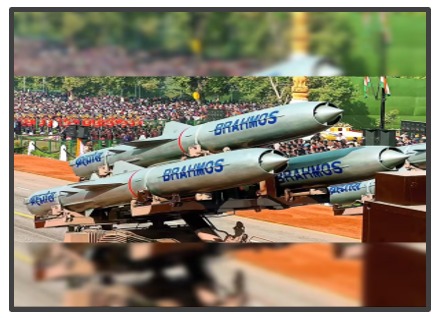
On the defense front, the parade showcased key elements of India’s indigenous weapons programme. The BrahMos supersonic cruise missile system featured prominently, reaffirming India’s emphasis on self-reliant defense sector manufacturing. Alongside it, artillery systems such as Amogh and Dhanush were displayed as representations of domestic capability in long-range firepower. For students, these displays link current affairs with broader constitutional ideas of sovereignty, national security, and defence policy under civilian control.
Constitutional Significance: Through Landmark Judgements
Beneath the ceremonial display lies a constitutional structure that has been continuously refined through judicial interpretation.
Kesavananda Bharati v. State of Kerala (1973):
The Day the Constitution Drew a Line. What started as a challenge to Kerala’s land reform laws soon escalated into one of the biggest constitutional battles India has ever seen. At stake was a decisive question: Could Parliament rewrite the Constitution without limits?
It all happened in the historic backdrop of the battle between the two important pillars of the democracy i.e. The Legislature and The Judiciary for the conquest of holding immeasurable powers to control the nation.
In a dramatic 13-judge verdict, the Supreme Court answered with a clear warning. Parliament could amend the Constitution but not tear apart its core. The Court introduced the Basic Structure Doctrine, shielding fundamental principles like constitutional supremacy, federalism, and judicial review from political overreach.
The ruling changed the balance of power permanently. From that day, no government could claim absolute control over the Constitution.
S.R. Bommai v. Union of India (1994):
Controlled and checked Emergency
The frequent dismissal of elected State governments under Article 356 had long raised eyebrows and stressed the people’s mandate. The tipping point came when the Karnataka government was removed without a floor test, purely on a basis of Governor’s report.
The Supreme Court stepped in the case of Sommappa Rayappa Bommai, former Chief Minister who was removed arbitrarily and ended this unconstitutional practice. It ruled that federalism is a basic feature of the Constitution and that President’s Rule cannot be imposed at political convenience. Majority, the Court said, must be proven on the Assembly floor, not decided in Delhi.
The verdict placed real limits on central power and restored constitutional respect to State governments.
Conclusion
Republic Day thus serves as an annual constitutional checkpoint. The parade which involves the colors of Indian federalism in motion, the presence of foreign dignitaries highlights constitutionally guided foreign diplomacy, and landmark judicial decisions remind citizens that democracy in India is not the unchecked rule of numbers, but governance under law.
India’s republic endures because its Constitution permits disagreement without collapse and correction without chaos. Republic Day is not about recalling a document adopted in 1950, it is about recognizing how that document continues to regulate power, protect liberty, and hold the republic together in everyday governance.
👋 Hi! Main hoon aapki Site Assistant Kuch bhi puchiye, main madad karungi!✕
Site Assistant AI se turant jawab
✕
Hi! I'm your AI Assistant for this website. I can chat in any language you prefer — just type your question to start! नमस्ते, मैं इस वेबसाइट की एआई असिस्टेंट हूँ। आप जिस भी भाषा में लिखेंगे, मैं उसी में जवाब दूँगी — बस अपना