
Photo: Ministry of Finance (GODL-India), GODL-India
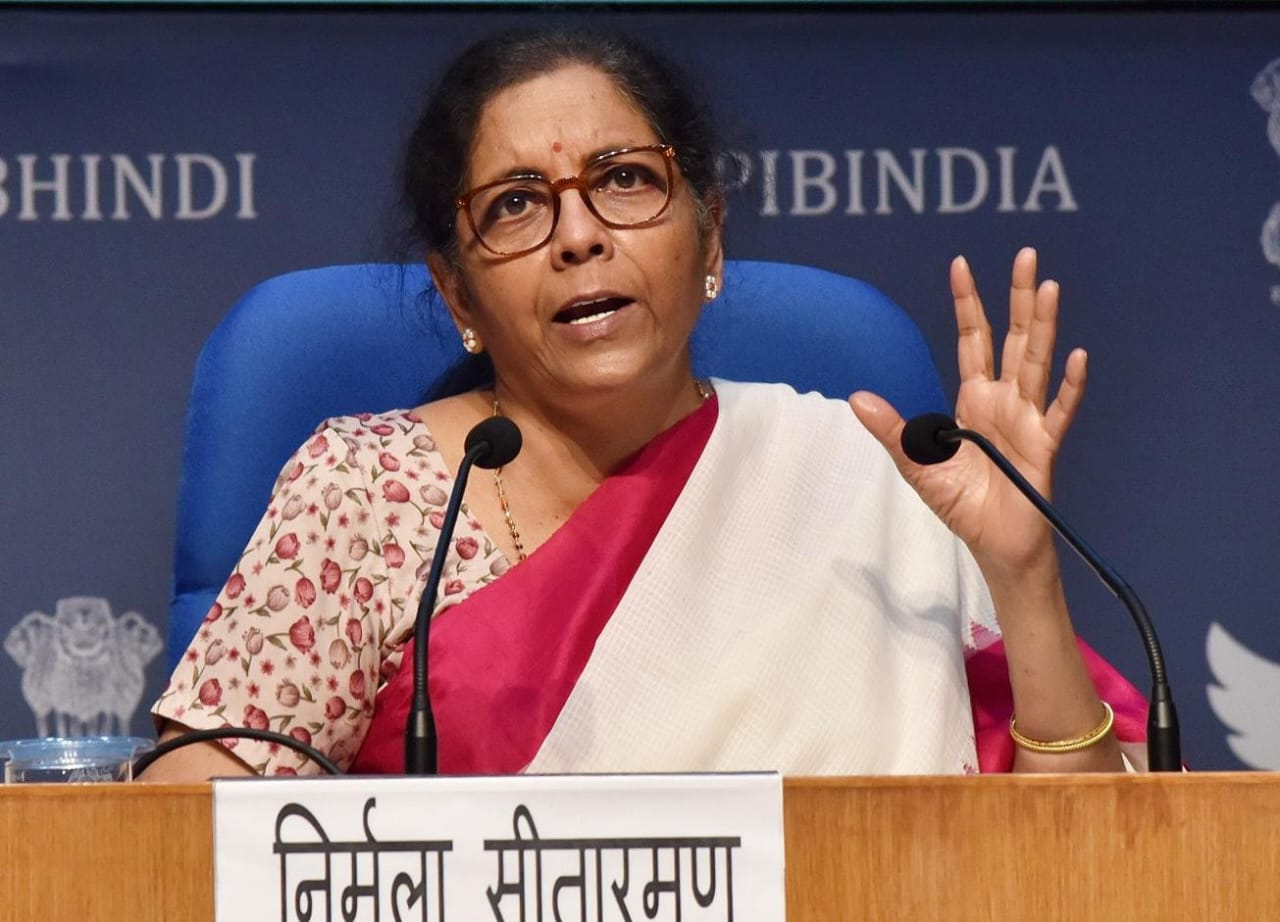
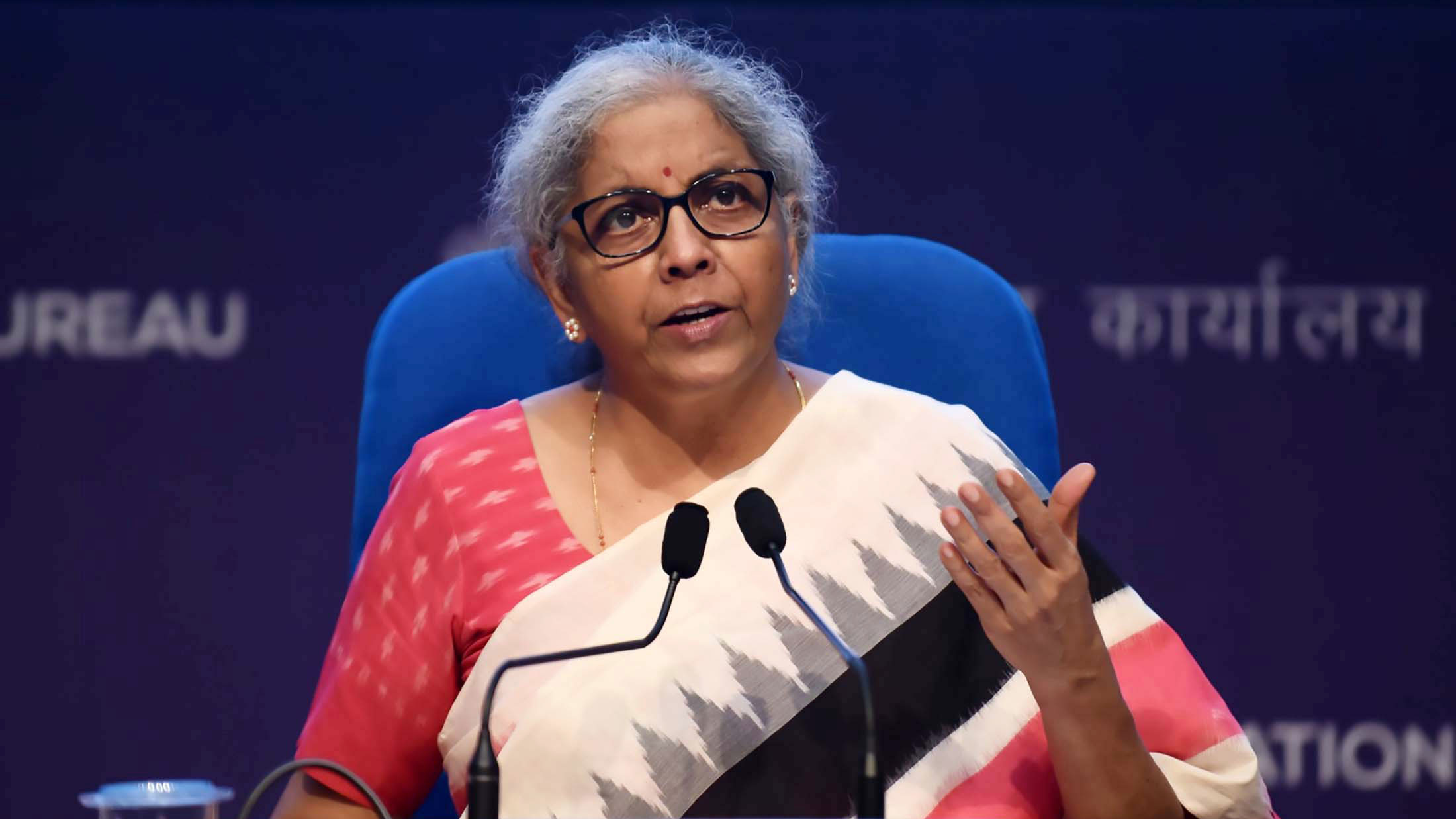
India is aiming to reduce its Debt-to-GDP with efficient Finance Policies in the budget of FY 2026-27. FM Nirmala Sitharaman in her Speech of 1st Feb proposed the Government’s plan to reduce the Debt-to-GDP ratio of 50±1% by FY 2030-31.
| Written by Ahad Khan |
Imagine running a household where a massive chunk of your monthly salary goes just toward paying the interest on old credit card bills. You have enough to survive, but you cannot afford to renovate your house, upgrade your skills, or invest in your children’s higher education as much as you’d like.
This is the exact challenge the Indian economy has been tackling for years. In the Union Budget 2026-27, the government has sent a clear message: it is time to put the national wallet on a disciplined diet. The goal isn’t just to save money, but to free up resources for what truly matters, infrastructure, innovation, and long-term economic stability.
The Debt-to-GDP Shift
The most important takeaway from Finance Minister Nirmala Sitharaman’s ninth budget speech is the steady decline in our Debt-to-GDP ratio. This ratio is the ultimate measure of a country’s financial health; it compares what the nation owes (Debt) to what it produces (GDP).
The progress is subtle but steady. Last year, the ratio stood at 56.1%. For the upcoming year, it is estimated to drop to 55.6%. While a 0.5% drop might seem like a minor accounting detail, in a multi-trillion-dollar economy, this represents billions of rupees being re-steered away from debt and toward development. The government has set a firm “North Star” target: bringing this ratio down to 50±1% by the year 2030-31.
How India is Aiming for the Target
This is not just about “saving” money; it is a fundamental shift in how India manages its finances. The strategy relies on two main pillars that work like a pair of scissors to stabilize the nation’s balance sheet:
- Managing the Numerator (Slowing New Debt): The “Fiscal Deficit” is the gap between what the government earns and what it spends. By fulfilling the 2021 commitment to bring the yearly deficit below 4.5%, reaching 4.4% this year and targeting 4.3% next, the government is successfully slowing down the rate at which it adds new debt to the national total.
- Growing the Denominator (Expanding the GDP): Instead of spending on temporary subsidies that disappear once used, the government is pouring over ₹11 lakh crore into “Capital Expenditure” (Capex). This includes mega-projects like the Biopharma SHAKTI mission and the Semiconductor Mission 2.0.
Building a bridge or a tech hub creates a “multiplier effect.” It generates jobs, facilitates trade, and boosts the GDP. When the GDP (the denominator) grows faster than the total Debt (the numerator), the ratio improves naturally without the government having to stop spending on essential services.
Why Does This Matter to the Average Citizen?
A lower debt ratio isn’t just a win for economists and policymakers; it changes the life of the common man in three key ways:
1. Interest Savings: Currently, about 26% of our national budget is swallowed by interest payments. Reducing the debt-to-GDP ratio means that in the future, a larger portion of tax revenue can be shifted from “paying the bank” to building better hospitals, modern schools, and safer cities.
2. Stable Rupee: Lower national debt makes India a magnet for global investors. This inflow of foreign currency stabilizes the Rupee, which helps keep the price of imported goods, like crude oil and electronics, from skyrocketing, effectively fighting “imported inflation.”
3. Easier Access to Credit: When the government reduces its reliance on market borrowings, it stops “crowding out” the private sector. This leaves more liquidity in the banking system, making it easier for private businesses and individuals to take loans for homes or startups at more competitive interest rates.
What Critics Argue?
No policy is without its Critics. Some experts argue that a deficit reduction of just 0.1% is too cautious and that India should be more aggressive. Others point out a “Human Capital Deficit,” noting that while we are spending on concrete and steel, the share of GDP spent on health and education remains relatively stagnant. There is a growing concern that focusing too much on “producers” and “infrastructure” might leave the rural poor and middle-class consumers waiting too long for the benefits to “trickle down.”
The Final Word
Budget 2026-27 shows the government playing a “long game.” It is moving away from the populist “big bang” announcements of the past and toward a model of structural health. By targeting the Debt-to-GDP ratio, India is attempting to ensure that future generations are not born with the burden of paying for today’s choices.
What do you think? Is this “slow and steady” fiscal discipline the right way to build a developed India, or should the government prioritize more immediate relief for the middle class and rural sectors?
Yeh article aapko kaisa laga?