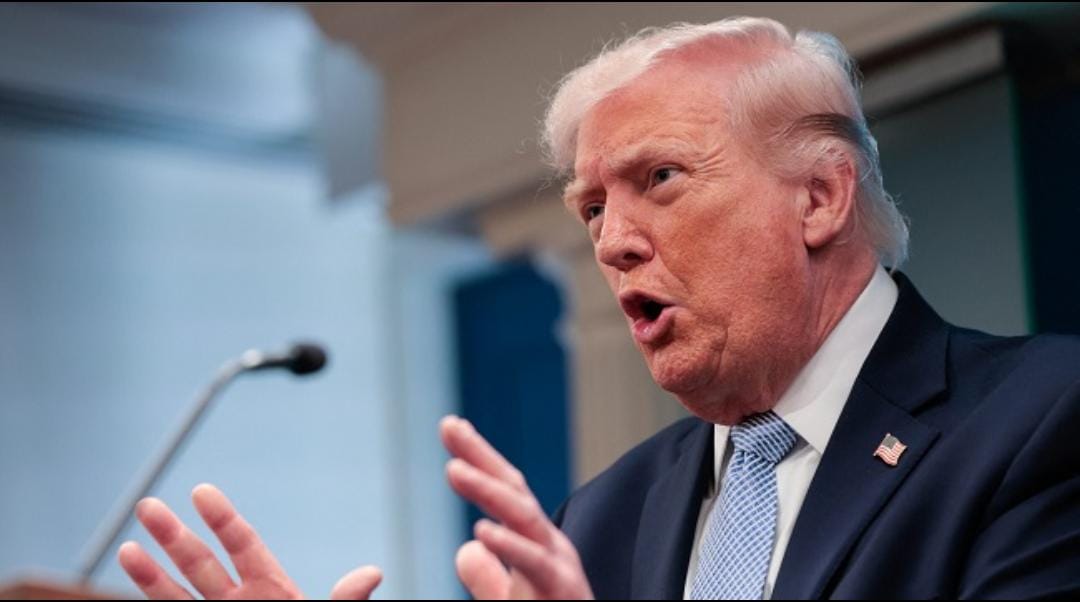

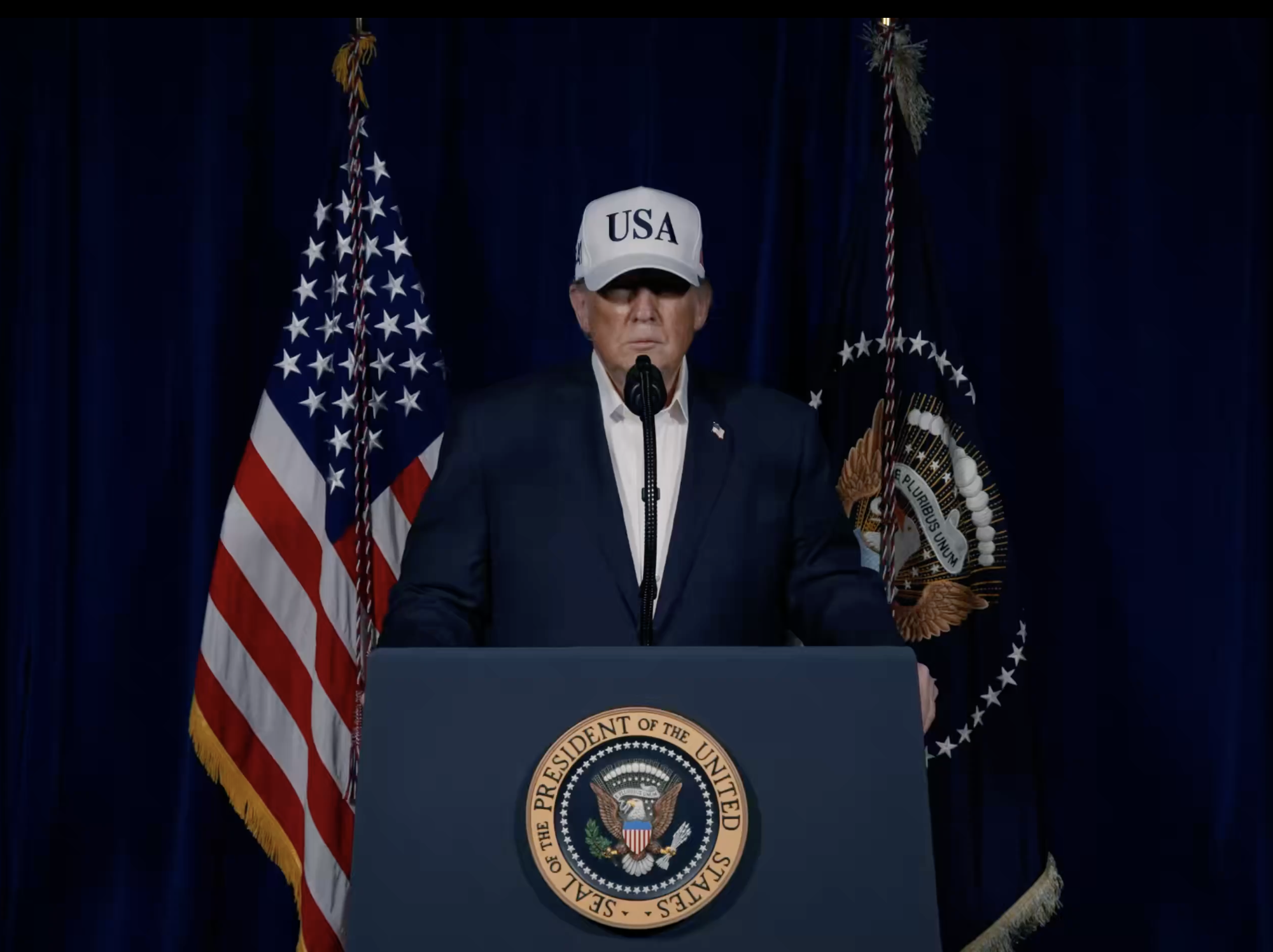
Photo: Trump announcing American-Israeli strikes on Iran on February 28, 2026 | X/realDonaldTrump
Right now, roughly 20% of all the oil the world uses passes through a single, narrow waterway near Iran called the Strait of Hormuz.
If a military attack happens on Iran, this vital trade route is immediately put at risk. This single event triggers a massive chain reaction: oil prices shoot up, the cost of everyday goods skyrockets, and the global economy slows down. While political leaders often launch these attacks to show power or distract from problems at home, the reality is far darker. These political choices create an economic disaster, and it is the ordinary citizen who is forced to pay the bill.
To understand the economic impact, we first have to look at the geography of global trade. Iran sits right next to the Strait of Hormuz. According to data from the energy analytics firm Vortexa in 2026, millions of barrels of crude oil move through this narrow channel every single day. It is the most important oil chokepoint in the world.
When military strikes occur in or around Iran, the global market panics. Buyers and businesses fear that the ships carrying this oil will be attacked or that Iran will block the strait entirely. Because of this fear, the price of oil jumps instantly. In recent conflicts, global oil benchmarks like Brent crude have easily jumped by 10% just on the news of a strike. Furthermore, when a region becomes a war zone, insurance companies charge massive fees to cover the cargo ships traveling through it. These high insurance and shipping costs are immediately passed down the line, making international trade incredibly expensive.
The Chain Reaction of Inflation
This jump in oil prices does not just make gasoline more expensive; it makes everything more expensive. For the past few years, the world has been fighting hard against inflation. Just when prices start to stabilize, a military attack throws fuel on the fire.
Major global authorities have warned us about this repeatedly. The head of the International Monetary Fund, Kristalina Georgieva, noted in early 2026 that military strikes in the Middle East add a huge amount of uncertainty to an already fragile global economy. Similarly, the World Bank has clearly stated in its recent reports that conflicts in this region lead directly to higher energy costs, which hurts global growth.
The logic is simple. When fuel costs more, factories have to pay more to run their machines. Trucks, trains, and ships cost more to operate. To cover these extra expenses, companies raise the prices of the things we need to survive: food, clothing, medicine, and housing materials. To stop these prices from climbing even higher, central banks are forced to keep interest rates high. High interest rates mean it is harder for regular people to get loans to buy homes, and harder for businesses to grow and hire new workers. It is a vicious cycle.
The Selfish Politics Behind the Strikes
We must critically look at why these attacks happen in the first place. Very often, military strikes are driven by political goals, not by a genuine need for national defense.
When political leaders face low approval ratings, struggling domestic economies, or upcoming elections, they often look for a distraction. Starting a conflict with a long-standing rival like Iran is a classic political trick. It allows leaders to look strong and decisive. It forces the public to unite behind the government during a time of crisis.
However, this is a deeply selfish and reckless strategy. These leaders are playing games with the global economy. They want the political reward of looking like a strong protector, but they completely ignore the economic damage they are causing worldwide. Furthermore, such aggressive actions often violate international norms of peace and security. The politicians making these decisions live in comfort; they do not have to worry about the rising price of groceries or losing their jobs because a factory had to shut down.
People like Us Becomes the Victim
Ultimately, the true victims of these politically motivated attacks are everyday people, especially in developing nations. For anyone studying public policy, law, or economics, it is crucial to see how global events hurt local societies.
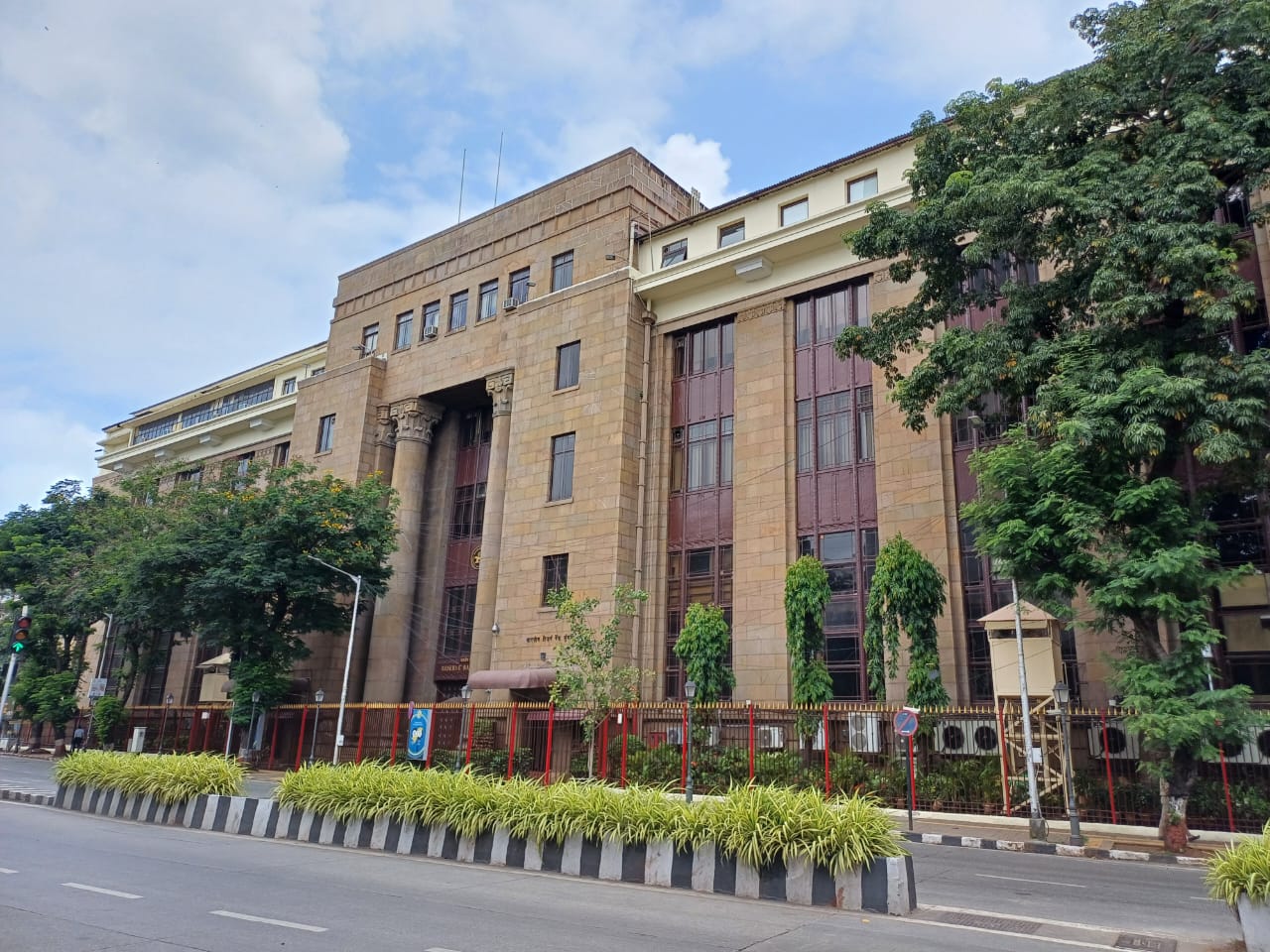
Take India as a prime example. According to reports from the Economic Times in 2026, India imports around 85% of the crude oil it requires. When an attack on Iran causes global oil prices to spike, India’s bill for importing oil becomes massive.
When the government has to spend billions of extra dollars just to bring oil into the country, it has less money to spend on things that actually help society. The government is forced to cut budgets for building new schools, improving hospitals, or repairing roads. For the average citizen, the consequences are immediate. Bus and train tickets cost more. Cooking gas becomes a luxury. Small businesses struggle to keep their doors open. The working class has to stretch their already thin budgets even further just to survive the month.
Conclusion
The economic impact of attacking Iran is not just a theory; it is a guaranteed shockwave that hits every corner of the globe. The data from trade experts and the warnings from global banks prove that prioritizing political showmanship over peace leads directly to economic suffering. For future leaders, policymakers, and legal minds, the lesson is clear: military aggression in vital economic zones is a failure of leadership. It causes deep, lasting pain to the global economy, leaving ordinary society to carry the heavy burden of someone else’s war.
As future policymakers and intellectual minds, how do you think an import-dependent country like India can legally and economically shield its everyday citizens from these sudden global oil shocks? Do the political benefits of military action ever truly outweigh the economic damage? Drop your thoughts and perspectives in the comments below!
Yeh article aapko kaisa laga?