

Image credit : Glen Carrie on Unsplash
The Brighton Incident: When Everyday Interactions Become Viral Content
Recent reporting by the BBC has highlighted how smart glasses are already raising privacy concerns in everyday social interactions. In one case examined by the outlet, a young woman discovered that a casual conversation she had with a stranger had been secretly recorded using smart glasses and later posted online without her consent. The clip spread widely on social media platforms and attracted large numbers of comments, many of which were abusive or sexual in nature.
The case illustrates a troubling dynamic created by wearable cameras: people may be recorded during routine interactions without realizing it, and the footage can quickly circulate online far beyond its original context.
Another woman interviewed in the investigation described a similar experience after declining a stranger’s request for her phone number. She later discovered that the encounter had been uploaded online, triggering ridicule and hostile commentary from viewers who had no understanding of the situation.
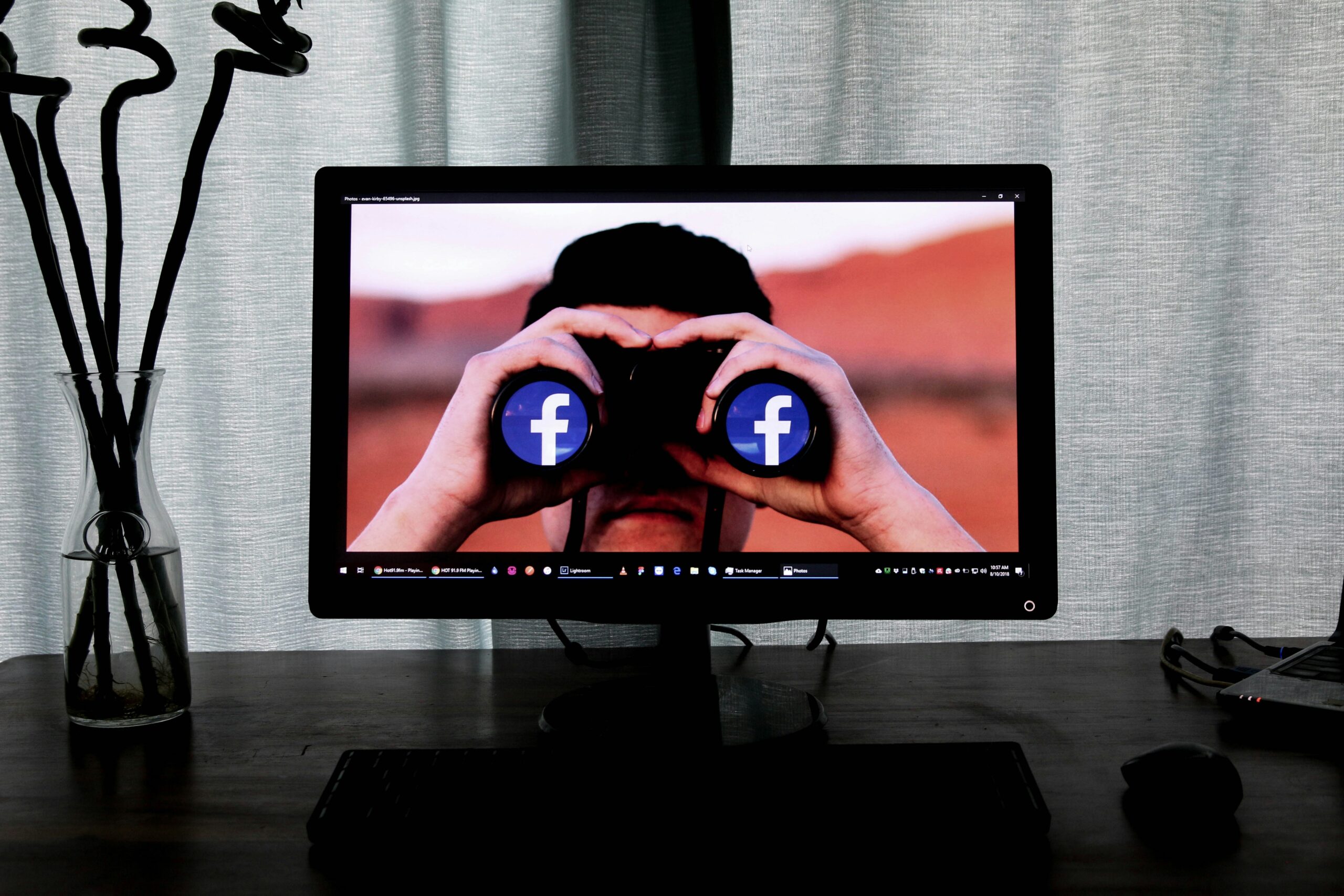
These incidents highlight a broader issue with wearable recording technology. Unlike smartphones which require visible action to start filming smart glasses resemble ordinary eyewear. This makes it far more difficult for bystanders to recognize when recording is taking place.
Privacy advocates argue that the technology creates a new type of vulnerability in public spaces. Everyday interactions that once disappeared into memory can now be silently captured and transformed into viral online content.
The legal framework has struggled to keep pace. In many jurisdictions, recording someone in a public place is not automatically illegal, even if the individual being filmed is unaware of it. As a result, the boundaries between acceptable use, harassment, and exploitation remain blurred.
The Kenya Connection: Who Sees Your Footage?
A second investigation, conducted by Swedish newspapers Svenska Dagbladet and Göteborgs- Posten, raised an even more unsettling possibility. According to interviews with workers in Nairobi, Kenya employed by Sama, a data-annotation firm, that has previously worked with major technology companies to help train artificial intelligence systems. These workers review images and video clips so that AI models can better recognize objects, environments, and human interactions.
According to interviews conducted during the investigation, some of the material they encountered included highly personal and sensitive footage captured inside users’ homes. Workers said the content sometimes showed people in private situations including individuals undressing or engaging in intimate moments which appeared to have been recorded unintentionally.how that data is processed, who reviews it, or how long it remains within corporate systems.
According to interviews conducted during the investigation, some of the material they encountered included
One Nairobi-based worker described the experience bluntly, saying: “We see everything, from living rooms to naked bodies.”
The remark reflects the uncomfortable reality of large-scale AI training systems: behind automated technology, there are often thousands of human reviewers analyzing raw data.
The investigation suggested that some recordings may originate from moments when users were unaware their devices were still capturing footage. Workers claimed that in certain cases people appeared to be filmed in bedrooms, bathrooms, or other private spaces.
Meta has responded by stating that media captured through its smart glasses typically remains on the user’s device unless the user chooses to share it with Meta’s AI services. The company says that when content is used to improve AI performance, safeguards such as automated filtering and identity-blurring technologies are applied.
However, privacy experts say the controversy highlights a larger structural issue with modern AI products. Once user-generated media enters a machine-learning pipeline, the average user may have little visibility into how that data is processed, who reviews it, or how long it remains within corporate systems.
The Kenya investigation therefore points to a broader concern: as AI-powered wearable devices expand, the invisible infrastructure behind them data reviewers, outsourced contractors, and training pipelines may expose far more of users’ lives than the technology’s sleek design suggests.
Meta’s Response
Yeh article aapko kaisa laga?