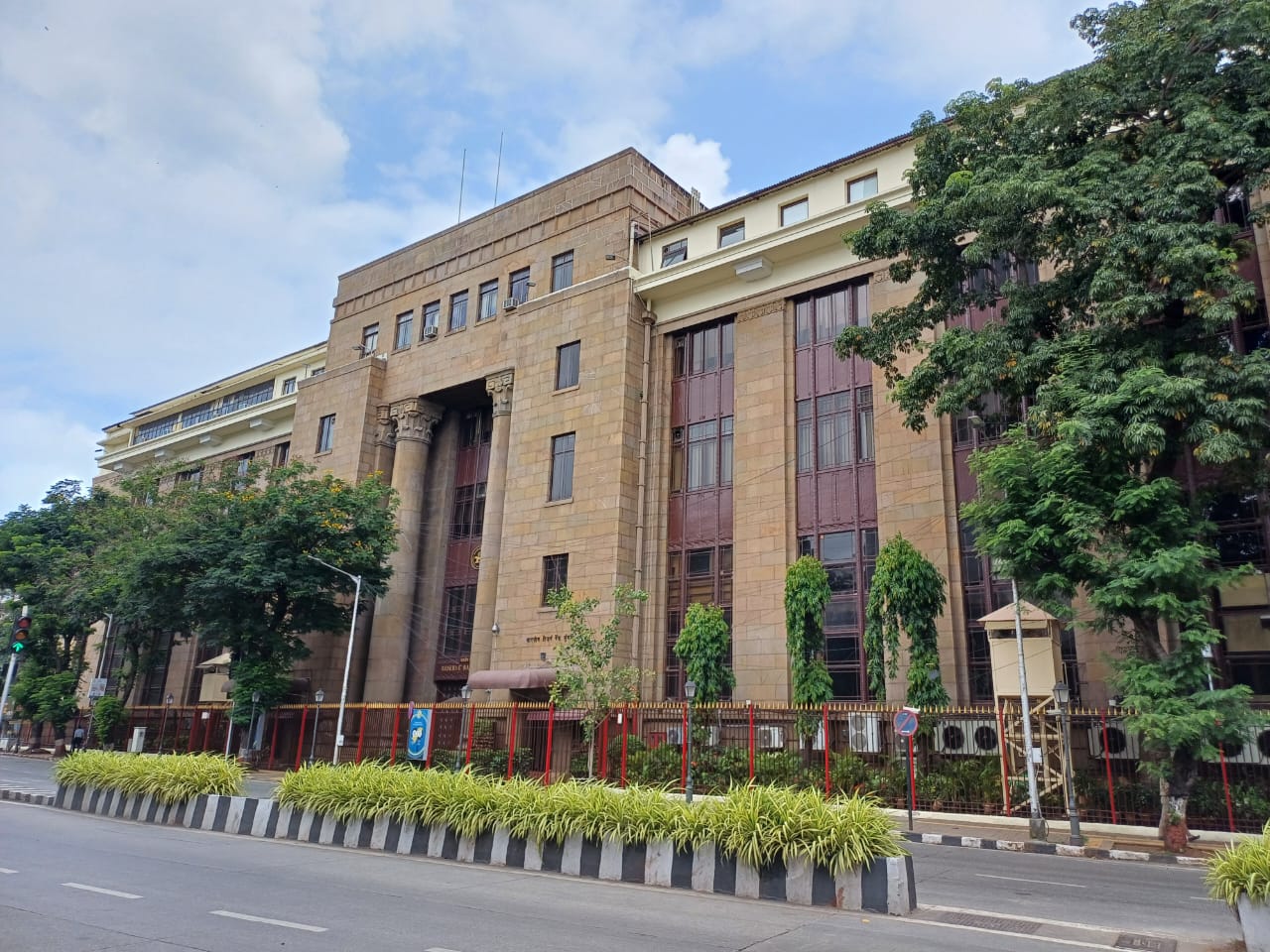


Mutation Proceedings Not Meant to Decide Property Title: Allahabad High Court Reiterates Limits of Revenue Jurisdiction
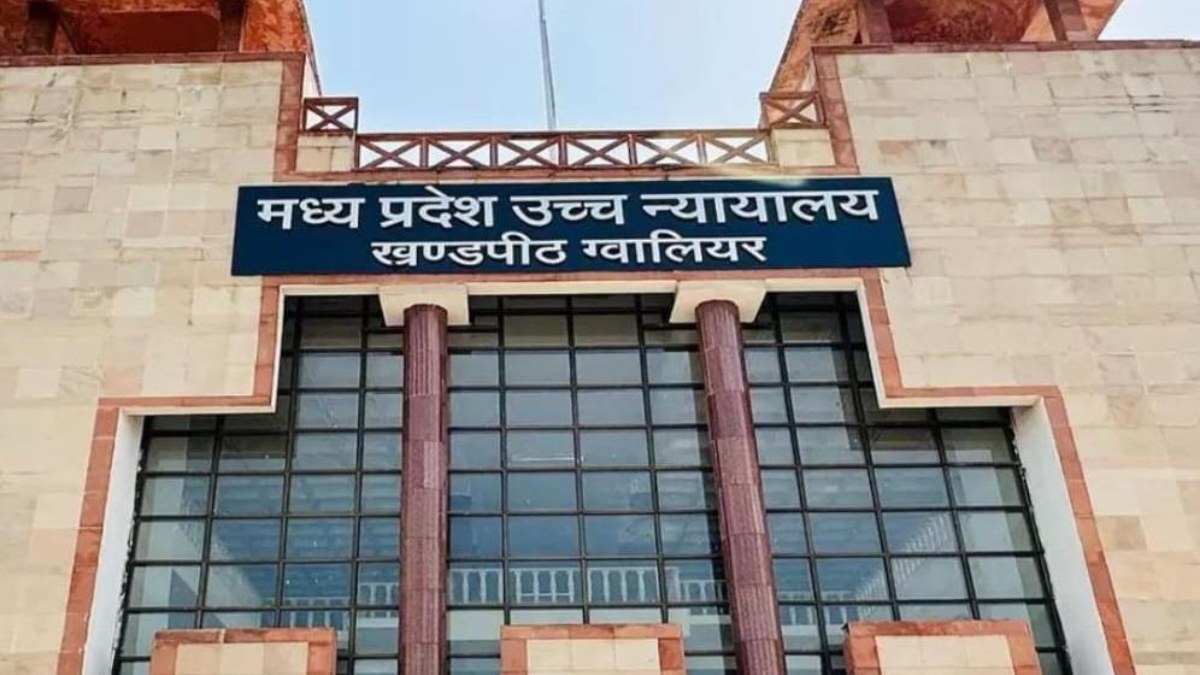
Allahabad High Court has held that disputes involving title to immovable property cannot be adjudicated by revenue authorities.
In July 2025, an Indian court was informed by a distressed father that his wife had allegedly fled the country with their child.
The decision underscores judicial caution in balancing individual liberty with concerns over digital misinformation and public harmony.
The Transgender Amendment Act 2026 introduces medical certification and narrows identity recognition, sparking constitutional concerns over autonomy, dignity, and its departure from the Supreme Court’s NALSA judgment on self identification.
At the 45th JP Memorial Lecture organized by the People’s Union for Civil Liberties, former Supreme Court judge Abhay Shreeniwas Oka delivered a deeply reflective and candid critique of the Indian judicial system
Parliament has passed the Transgender Amendment Bill 2026, redefining transgender identity, introducing medical certification, and strengthening penalties, raising key questions about autonomy, legal recognition, and constitutional protections in India.
The Jan Vishwas Bill 2026 proposes sweeping decriminalisation of 717 offences, shifting from imprisonment to penalties, aiming to improve ease of business while raising concerns about enforcement, deterrence, and administrative discretion.
The Supreme Court has tightened adjournment rules, restricting delays to exceptional cases, mandating disclosure, and banning deferments in regular matters, aiming to curb misuse and speed up India’s judicial process.
Supreme Court urges legal recognition of paternity leave while striking down discriminatory maternity provisions, affirming adoptive equality and redefining parenthood as a shared, gender-neutral responsibility beyond biological distinctions in India.
Supreme Court examines PIL seeking remedies for false criminal cases under BNSS, highlighting lack of victim recourse, misuse risks, and need for data, while balancing protection of genuine complainants.