
A Region Living Under Constant Uncertainty
The Middle East continues to face one of its most challenging periods in recent history. Although some diplomatic efforts have reduced the intensity of fighting in certain areas, the region remains deeply unstable. The conflicts are no longer limited to one country or one issue. Instead, they involve several nations, armed groups, global powers, and millions of civilians whose daily lives have been disrupted by war, displacement, and economic hardship.
Recent developments have shown that tensions between Israel, Iran, Hezbollah in Lebanon, Hamas in Gaza, and other regional actors continue to shape the security environment. While international mediators are trying to prevent another large-scale war, the situation remains fragile, with even a small incident capable of triggering a wider regional conflict.
“The Main Drivers Behind the Crisis”
The current geopolitical tensions are the result of multiple long-standing disputes rather than a single conflict. The Israel-Hamas war has continued to fuel instability across the region, while Israel’s security concerns have led to military operations not only in Gaza but also along its northern border with Lebanon.
At the same time, Iran remains a central player in regional politics through its political influence and support for allied armed groups across the Middle East. Israel considers Iran’s military capabilities and nuclear ambitions to be major security threats, whereas Iran argues that its policies are aimed at protecting its national interests and regional allies. This strategic rivalry has become one of the biggest sources of instability in the Middle East.
Gaza Remains at the Centre of the Humanitarian Crisis
Gaza continues to experience severe humanitarian challenges. Thousands of families have been displaced, while access to food, clean water, electricity, healthcare, and education remains limited. International organisations have repeatedly expressed concern over the worsening humanitarian conditions and have called for greater protection of civilians.
Although ceasefire negotiations have taken place through regional mediators, major disagreements remain over issues such as hostage releases, troop withdrawals, governance, and long-term security arrangements. As a result, the possibility of a lasting peace remains uncertain.
Lebanon and the Risk of Regional Escalation
The Israel-Lebanon border has witnessed repeated exchanges of fire over the past several months. Although both sides have shown some willingness to reduce hostilities, military activities continue, keeping the situation highly volatile.
Hezbollah remains one of the most influential armed groups in the region, and any major confrontation between Israel and Hezbollah could quickly draw in other regional actors. Analysts believe that preventing a wider conflict along this border remains one of the international community’s highest priorities.
Global Powers Are Closely Involved
The Middle East has once again become an important arena for international diplomacy. The United States continues to play a major role in supporting Israel while also participating in diplomatic efforts aimed at reducing tensions with Iran. At the same time, countries such as Qatar, Oman, and Pakistan have been involved in mediation efforts to encourage dialogue between rival parties.
These diplomatic initiatives demonstrate that many governments recognise the serious global consequences of another major war in the Middle East, particularly for international trade, energy security, and global financial markets.
“Economic Consequences Beyond the Region”
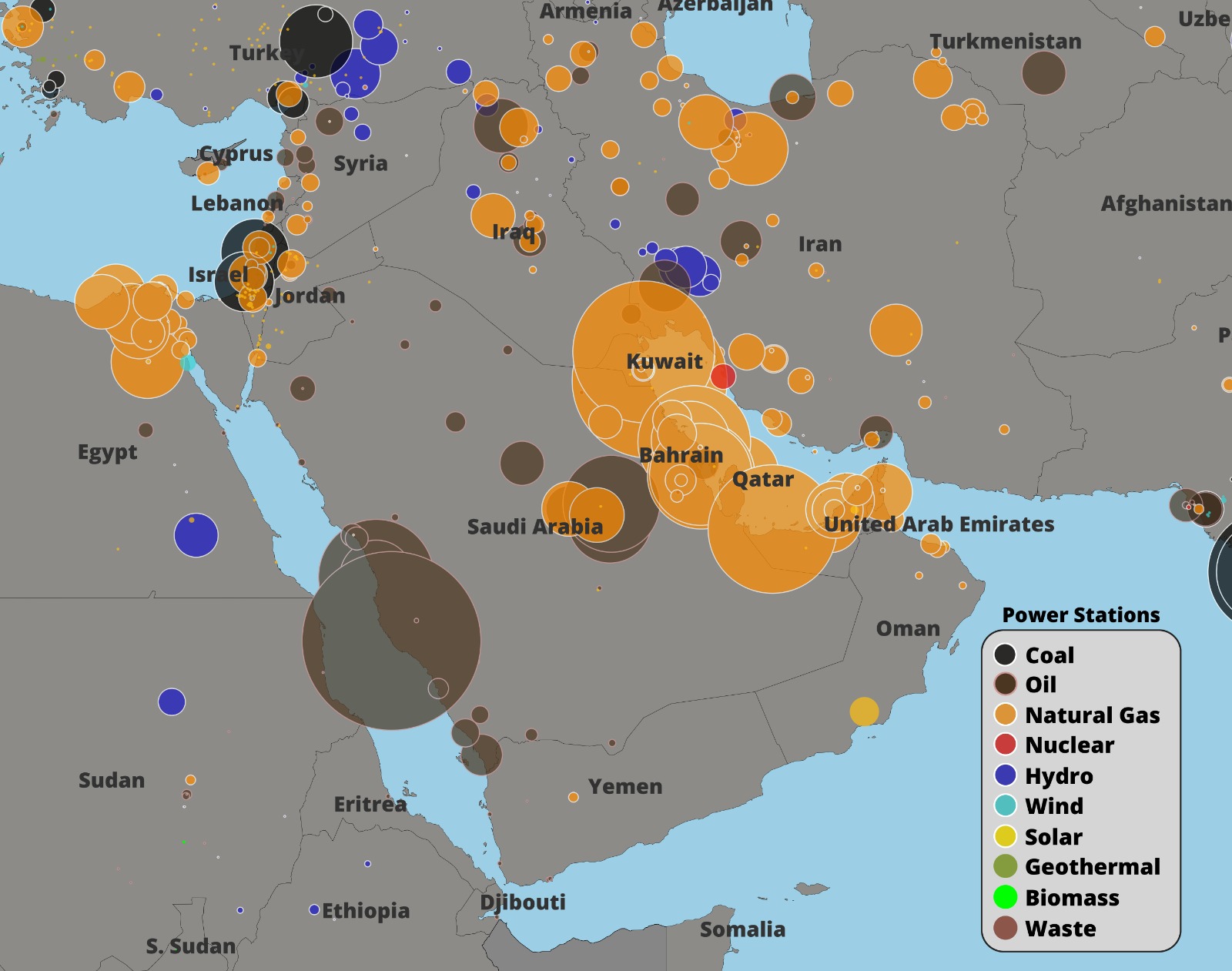
The impact of Middle East tensions extends far beyond the countries directly involved. The region contains some of the world’s most important oil and gas production centres, as well as critical shipping routes such as the Strait of Hormuz.
Whenever tensions rise, global energy prices often become more volatile because investors fear disruptions to oil supplies. Higher fuel prices can increase transportation costs, raise inflation, and affect economic growth in both developed and developing countries. Countries like India, which import a large share of their energy needs, closely monitor developments in the region because prolonged instability can increase import costs and place additional pressure on the economy.
The Road Ahead
Despite continuing violence, diplomatic efforts have prevented an even larger regional war so far. However, experts caution that the underlying political disputes remain unresolved. Lasting peace will require not only temporary ceasefires but also sustained negotiations addressing security concerns, political governance, humanitarian relief, and regional cooperation.
The coming months will be crucial in determining whether diplomacy succeeds in reducing tensions or whether renewed military confrontations push the Middle East into another cycle of widespread conflict. For now, the region remains one of the world’s most complex geopolitical flashpoints, where local disputes have global consequences. Governments, international organisations, and regional mediators face the difficult challenge of balancing security interests with humanitarian needs while working toward a more stable and peaceful future.
Yeh article aapko kaisa laga?