
Image credit: Trendingblog247/ X
A brief pause in U.S. military strikes on Iran has given way to a fresh round of tensions after Washington claimed that Iran attempted an unsuccessful “surprise attack” on American forces in the Middle East. According to the U.S. Central Command (CENTCOM), multiple Iranian ballistic missiles were launched toward a U.S. military base in Jordan, but all of them were intercepted before reaching their targets.
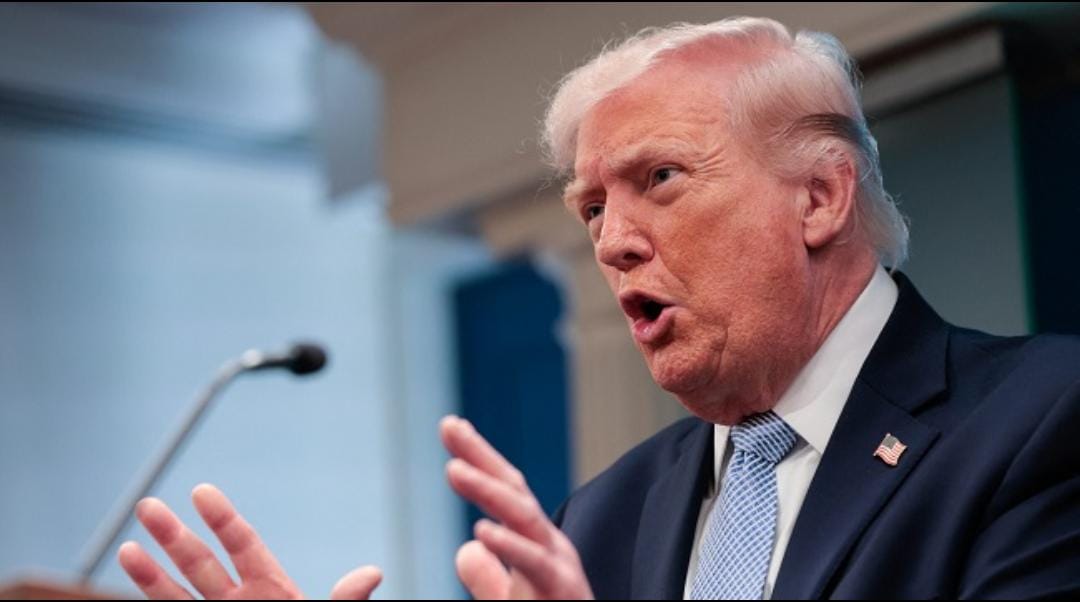
The incident marks a significant setback for ongoing diplomatic efforts, which had shown cautious signs of progress after President Donald Trump temporarily halted U.S. strikes to provide space for negotiations.
A Short-Lived Pause
Last week, President Trump ordered a temporary pause in American airstrikes against Iran, saying diplomacy deserved another opportunity. Senior U.S. officials described the move as an effort to reduce tensions while talks continued through regional mediators, including Oman, Qatar, Pakistan, and Egypt.
The pause had raised hopes that both countries might step back from months of escalating military action. Iran had also indicated that it was reducing its retaliatory operations during the same period, creating a rare moment of calm in an increasingly volatile conflict.
However, those hopes were quickly overshadowed after the reported missile launch.
U.S. Claims All Missiles Were Intercepted
According to CENTCOM, Iran’s Islamic Revolutionary Guard Corps (IRGC) launched several ballistic missiles in what American officials described as an “attempted surprise attack” on U.S. forces stationed in Jordan.
The U.S. military stated that its missile defense systems successfully intercepted every incoming missile, preventing casualties or damage to military installations. Officials also confirmed that American forces remain on high alert across the region in anticipation of further threats.
Iran has not publicly accepted the U.S. version of events, and differing accounts continue to emerge regarding the latest military exchanges.
“Why Jordan Matters”
Jordan has become one of the most strategically important locations for U.S. military operations in the Middle East. The country hosts American personnel involved in intelligence sharing, regional surveillance, and operations against extremist groups.
An attack on a U.S. base in Jordan therefore carries both military and political significance. Even though the missiles were intercepted, the attempted strike demonstrates that Iran retains the capability to target American assets across the region despite months of sustained U.S. military pressure.
Military experts believe such attacks are also intended to send a political message, showing that Tehran remains willing to respond if it feels threatened.
Diplomacy Faces Another Challenge
The reported missile attack comes at a particularly sensitive moment. Washington had paused its offensive operations partly to encourage negotiations aimed at reducing hostilities and reopening discussions over broader regional security issues.
President Trump recently said the United States remained committed to diplomacy but warned that military operations could quickly resume if talks failed or if Iran continued attacking American interests.
With the latest exchange, the chances of rebuilding trust between the two sides appear increasingly uncertain.
Regional mediators are expected to continue their efforts, but the growing cycle of attacks and counterattacks is making negotiations much more difficult.
Rising Regional Concerns
The latest confrontation also raises concerns beyond the United States and Iran.
Several Middle Eastern countries fear that continued escalation could threaten shipping routes, energy supplies, and regional stability. Previous fighting has already affected maritime security near the Strait of Hormuz, one of the world’s most important oil transport corridors, while military activity has expanded into neighboring countries.
Any further escalation could have global consequences, particularly for oil prices, international trade, and financial markets.
Political Pressure in Washington
The renewed tensions are also increasing political debate inside the United States.
Lawmakers remain divided over the administration’s military strategy. While some support a stronger response to Iranian actions, others argue that prolonged military involvement risks dragging the country into a larger regional conflict. A recent Senate vote highlighted these divisions, with lawmakers narrowly rejecting an effort to limit President Trump’s military authority regarding Iran.
The administration now faces the challenge of balancing military deterrence with diplomatic engagement.
What Comes Next?
The failed missile attack illustrates how fragile the current situation remains. Even after a temporary pause in fighting, both Washington and Tehran continue to possess the capability and willingness to respond quickly to perceived threats.
Whether this latest incident becomes another step toward wider conflict or serves as a warning that pushes both sides back to negotiations will depend on the decisions made in the coming days.
For now, the Middle East remains on edge. Diplomatic channels remain open, but the window for meaningful dialogue appears to be narrowing as military tensions once again dominate the relationship between the United States and Iran.
Yeh article aapko kaisa laga?