
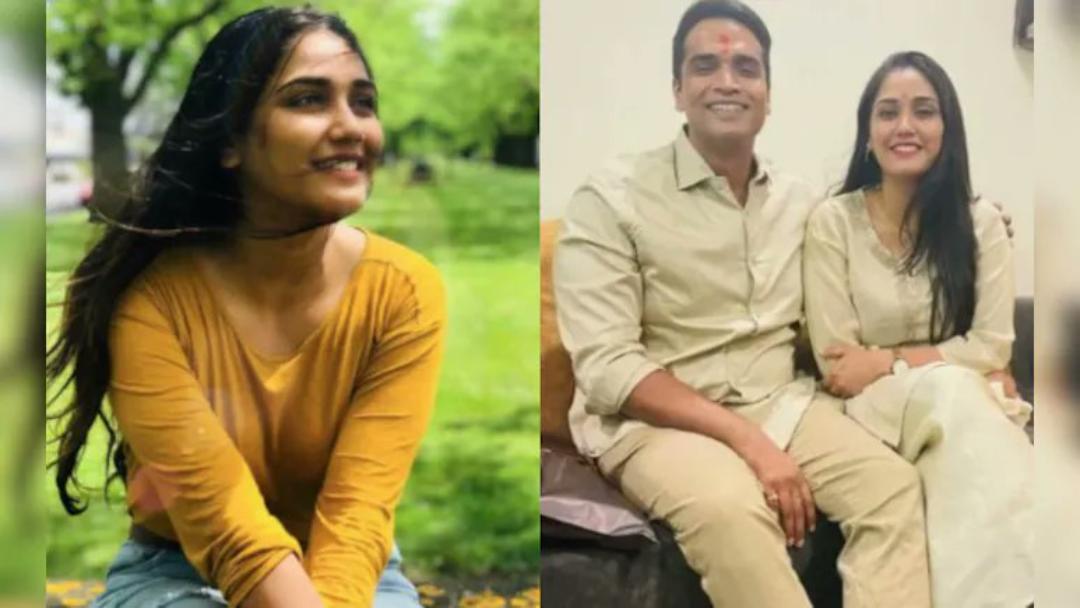
Image credit: Anurag dwary by X
Background of Twisha Sharma
The death of Twisha Sharma became one of the most discussed criminal and social justice cases in India in 2026. The case attracted nationwide attention because it involved allegations of dowry harassment, suspicious death, possible evidence tampering, and the involvement of influential individuals, including a retired judge. The matter is currently under investigation by the Central Bureau of Investigation (CBI), after intervention by the Supreme Court of India.
Twisha Sharma was originally from Noida and was known as a model and aspiring actor. According to reports, she married advocate Samarth Singh in December 2025 and moved to Bhopal after marriage. Samarth Singh is the son of retired district judge Giribala Singh.
The Incident
On 12 May 2026, Twisha Sharma was found dead at her matrimonial home in the Katara Hills area of Bhopal. Police initially treated the matter as a suicide case. However, her family strongly rejected this theory and alleged that she had been murdered or driven to suicide because of continuous harassment.
The case quickly escalated because of several suspicious circumstances:
• Allegations of dowry demands.
• Claims of physical injuries on Twisha’s body.
• Questions regarding the first post-mortem report.
• Alleged delay in police action.
• Claims that influential persons were trying to influence the investigation.
Allegations by the Family
Twisha’s parents alleged that their daughter had informed them about harassment and cruelty after marriage. According to media reports, the family claimed that Twisha had called them shortly before her death. They alleged that within minutes of that call, they were informed that she had died.
The family further claimed:
1. Twisha was being mentally tortured.
2. There were dowry-related disputes.
3. The accused family used their legal and social influence to weaken the investigation.
4. Important evidence may have been tampered with.
Role of Giribala Singh
One major reason why the case became extraordinary was the involvement of Twisha’s mother-in-law, Giribala Singh, who is a retired district judge. Her legal background led to public concerns regarding fairness and impartiality in the investigation.
Critics and activists argued that the involvement of a former judicial officer could influence local authorities. Because of these concerns, demands for an independent investigation increased rapidly.
Investigation and Legal Proceedings
Initially, the local police investigated the case. Later, due to growing public pressure and allegations of irregularities, a Special Investigation Team (SIT) was formed.
Twisha’s husband, Samarth Singh, was accused under provisions relating to dowry death and cruelty. Reports suggest that questions were raised regarding his conduct after the incident, including allegations that he was absconding for some time.
The Madhya Pradesh government later recommended a CBI investigation. Subsequently, the Supreme Court also took suo motu
cognizance of the matter and supported the transfer of the investigation to the CBI for a fair and independent probe.
cognizance of the matter and supported the transfer of the investigation to the CBI for a fair and independent probe.
Second Post-Mortem
Another major development in the case was the order for a second autopsy. Twisha’s family expressed dissatisfaction with the first post-mortem report and alleged inconsistencies in medical findings. Following judicial intervention, a team from AIIMS Delhi conducted a second post-mortem examination.
Arrests and CBI Action
In May 2026, the CBI arrested both Samarth Singh and Giribala Singh for further questioning. A special court granted CBI custody for interrogation. Reports indicated that investigators intended to confront both accused persons together during questioning to clarify contradictions in their statements.
Public Reaction and Social Media Debate
The Twisha Sharma case sparked widespread public debate across India. Many people viewed the case as an example of dowry-related violence, abuse within marriage, influence of powerful families, and weaknesses in criminal investigation processes.
At the same time, some people cautioned against premature conclusions before completion of the investigation. This led to intense debate regarding media trials and public assumptions.
Legal Issues Involved
The case potentially involves several important legal provisions under Indian criminal law, including:
• Dowry death
• Cruelty by husband or relatives
• Abetment of suicide
• Destruction or tampering of evidence
• Criminal conspiracy
Social Significance of the Case
The matter represents broader concerns regarding women’s safety, gender justice, and public confidence in legal institutions.
The Twisha Sharma case is important not only because of the suspicious death itself but also because it raises larger questions regarding:
1. Women’s safety after marriage.
2. Dowry-related harassment in modern society.
3. Abuse of social and institutional influence.
4. Public trust in criminal investigations.
5. Role of courts in ensuring justice.
Conclusion
The Twisha Sharma case remains under active investigation, and no final judicial determination has yet been made. However, the case has already become a major example of how allegations of dowry harassment and suspicious deaths can create nationwide concern, especially when influential individuals are involved.
The final outcome of the CBI investigation and court proceedings will determine criminal liability. Until then, the case continues to be closely followed by the public, media, and legal experts across India.
Yeh article aapko kaisa laga?