
Image credit: Jackson dushimimana by X
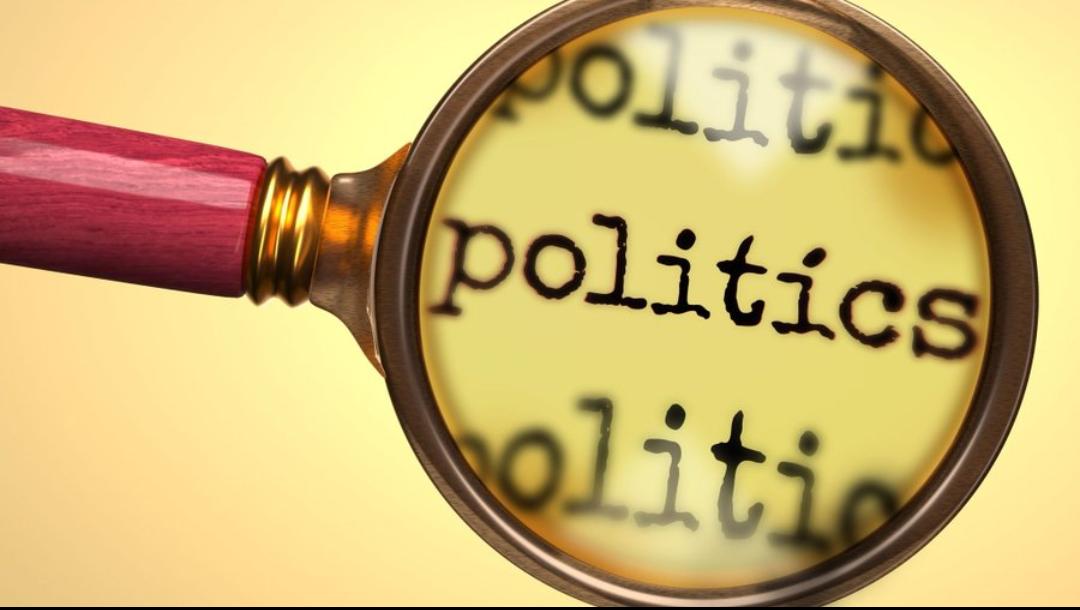
There is a common phrase spoken at family dinner tables and campus tea stalls across India that “I’m just not into politics.” It is usually said with a sense of pride, as if avoiding the subject keeps a person clean from a dirty game. We treat politics like a toxic storm, best watched from a safe distance behind a smartphone screen.
But here is the uncomfortable truth that you might not be interested in politics, but politics is deeply interested in you. It decides the tax on your first salary, the freedom of your internet connection, the safety of the streets at night, and the quality of the air you breathe. When we pull back and refuse to engage, we don’t protect ourselves. We simply hand over the remote control of our lives to whoever is loud enough to grab it.
Why we run away from Politics
It is completely natural to be afraid of politics. In the current landscape, political discussions often feel less like a debate and more like a shouting match. We are afraid of the social cost. Expressing an opinion can lead to broken friendships, silent family Whatsapp groups, or targeted trolling online.
There is also a deep-seated fear of futility. When we look at massive institutional corruption or deep-rooted systemic flaws, we feel tiny. It feels like a single voice cannot move a mountain, so why bother trying? Finally, in the Indian context, there is a historical fear of safety. For generations, middle class parents have told their children to “keep your head down, study, get a job, and stay out of trouble.” politics was seen as a game of muscle and money power is unsafe for ordinary people.
The Two sides of the Coin
Stepping into this arena is a double-edged sword. To do it right, we need to understand both sides of the ledger.
The pros
- From passenger to driver:
The moment you educate yourself and engage, you stop being a passive victim of policy and become an active stakeholder.
- Real community impact:
True political engagement connects you to grassroots issues. It allows you to advocate for better civic infrastructure, local environmental safety, and fairer policies for vulnerable groups.
- Sharper critical thinking:
Engaging with diverse political viewpoints forces you to move past biases, spot misinformation, and think deeply about systemic solutions rather than surface level outrage.
The cons
- Emotional burnout:
The 24-hour news cycle and social media algorithms are designed to keep you angry. Continuous engagement can lead to severe mental fatigue and anxiety.
- Polarization:
It is remarkably easy to slip into an “us versus them” mindset, losing the nuance that exists in every complex social issue.
- Time consumption:
True, meaningful engagement takes time. It requires reading policy documents and understanding history, which takes away from personal or professional pursuits.
Is it actually your responsibility?
The short answer is yes. In a democracy, public participation is not a hobby; it is the infrastructure. A democracy without active citizens is like a vehicle left to coast on a highway without a driver, it will inevitably crash.
When the educated, thoughtful segments of society choose silence, they create a vacuum. That vacuum is quickly filled by extremist voices and vested interests. Your responsibility is not necessarily to run for office or wave a party flag. Your responsibility is to be an informed juror in the court of public opinion.
Conscious engagement without chaos
The most effective way to engage in India is through local civic action. Instead of losing sleep over national prime-time debates, look at your local municipal corporation or village panchayat. Join ward committees, use the right to information (RTI) act to question local infrastructure spending, and participate in community-driven environmental or educational projects.
Furthermore, we need to change our information diet. True responsibility means trading sensationalist television news for fact-based, analytical journalism that focuses on policy over personality. When we demand substance from our media and accountability from our local representatives, the nature of national politics shifts automatically.
You do not need to be a politician to be political. You just need to care enough to show up, ask questions, and refuse to let silence be your default setting.
Satyamev Jayate Guys.
Yeh article aapko kaisa laga?