
|Author: Hency Kushwah|
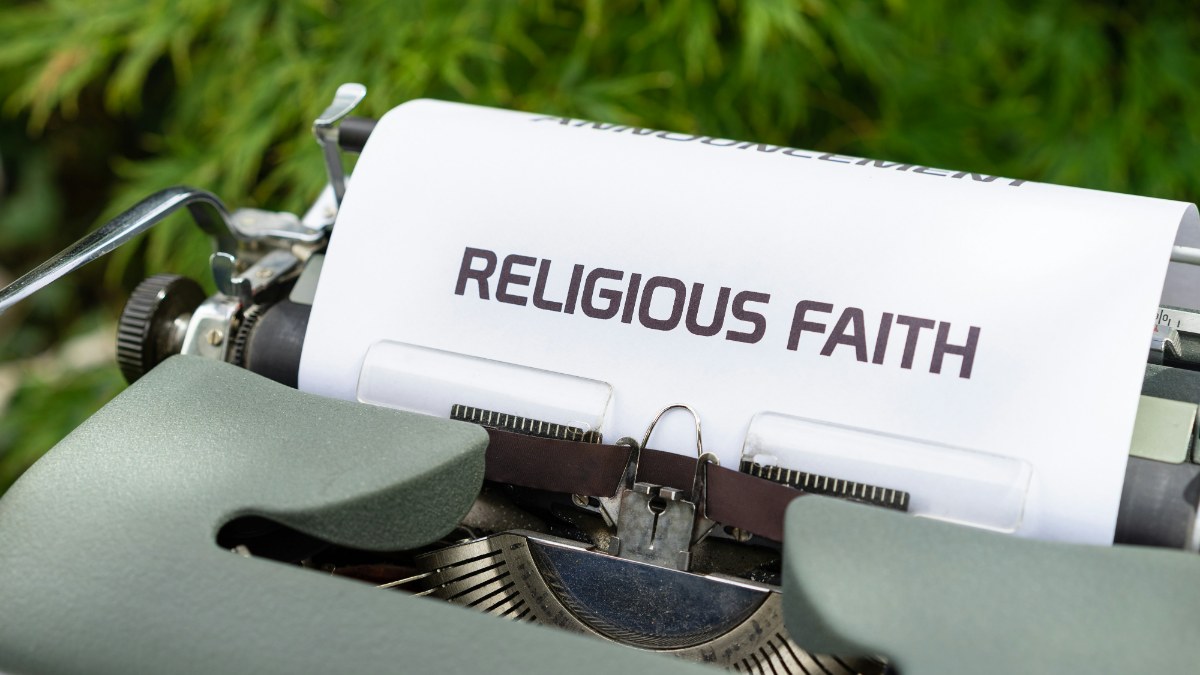
Photo by Markus Winkler on Unsplash
The Supreme Court has once again addressed a long-standing and sensitive constitutional question: can a person regain Scheduled Caste (SC) status after converting out of Hinduism and later returning to it?
In Chinthada Anand v. State of Andhra Pradesh, the Court has held that while SC status is lost upon conversion to religions other than Hinduism, Sikhism, or Buddhism, it may be regained upon reconversion, subject to strict conditions.
The ruling is not merely about legal identity. It revisits the historical roots of caste-based reservations, the link between religion and social disadvantage, and the continuing debate on equality in India.
Historical Background: Why SC Status Is Linked to Religion
To understand the Court’s reasoning, one must return to the origins of Scheduled Caste classification.
The concept of Scheduled Castes emerged during colonial administration and was later constitutionally recognised under Article 341 of the Constitution of India. The aim was to provide affirmative action to communities historically subjected to untouchability and social exclusion within the Hindu caste system.
This linkage between caste and Hindu social structure led to the issuance of the Constitution (Scheduled Castes) Order, 1950, which initially restricted SC status only to Hindus.
Over time, this was expanded:
- 1956 amendment: Included Sikhs
- 1990 amendment: Included Buddhists
However, Christians and Muslims were not included, on the reasoning that caste-based disabilities, as historically understood, were rooted in the Hindu social order. This framework continues to shape the legal position today.
The Case Before the Court: Facts and Legal Question
The case arose from Andhra Pradesh, where the petitioner:
was born into a Scheduled Caste, later converted to Christianity, and worked as a Pastor. He alleged caste-based abuse and filed a complaint under the SC/ST (Prevention of Atrocities) Act. The Andhra Pradesh High Court quashed the case, holding that a person professing Christianity cannot claim SC status.
Before the Supreme Court, the central question was:
Can a person who has converted out of Hinduism claim SC status, and if reconverted, can that status be restored?
Supreme Court’s Ruling: Loss and Conditional Restoration
The Supreme Court upheld the High Court’s decision and clarified two key principles:
1. Immediate Loss of SC Status Upon Conversion
The Court reaffirmed that SC status is lost the moment a person converts to a religion outside the recognised categories, Hinduism, Sikhism, or Buddhism. This is because SC status is legally tied to the historical experience of caste-based discrimination within these religious frameworks. Thus, a person professing Christianity cannot claim protection under the SC/ST Act.
2. Regaining SC Status: Three Mandatory Conditions
The Court, however, clarified that SC status may be regained upon reconversion, but only if all three conditions are satisfied:
- Proof of Original Caste Identity
The person must establish that they were originally born into a recognised Scheduled Caste. - Genuine Reconversion
There must be a clear and bona fide reconversion to Hinduism, Sikhism, or Buddhism, along with renunciation of the earlier religion. - Acceptance by the Community
The individual must demonstrate that their original caste community has accepted them back.
The Court emphasized that failure to satisfy even one of these conditions would make the claim legally unsustainable.
Legal and Social Implications
The judgment reinforces a consistent judicial position: SC status is not merely about birth, but about the continuing experience of caste-based social disadvantage. By requiring community acceptance, the Court acknowledges that caste is not just a legal category but a social reality.
At the same time, the ruling highlights a deeper constitutional tension:
- On the one hand, freedom of religion under Article 25 allows individuals to convert.
- On the other hand, reservation benefits are tied to historical discrimination within specific religious contexts.
This creates a situation where conversion can have legal and socio-economic consequences, particularly in relation to affirmative action.
A Continuing Debate
The exclusion of Dalit Christians and Dalit Muslims from Scheduled Caste status has been a subject of ongoing debate, both legally and politically. Several petitions challenging this exclusion are pending before the Supreme Court, raising questions about:
- whether caste-based discrimination persists beyond Hinduism,
- and whether the constitutional framework should evolve accordingly.
The present ruling does not resolve that broader issue, but it reaffirms the existing legal position under the 1950 Presidential Order.
Conclusion
The Supreme Court’s decision provides clarity on a narrow but significant issue: SC status can be lost through conversion, and regained only under strict, provable conditions upon reconversion. At its core, the judgment reflects the complexity of India’s social structure, where law, religion, and caste remain deeply intertwined. The question, however, is far from settled. As debates continue over the scope of caste-based reservations, the larger issue remains:
Should legal recognition of caste discrimination evolve beyond its historical religious boundaries, or remain anchored to them?
Yeh article aapko kaisa laga?