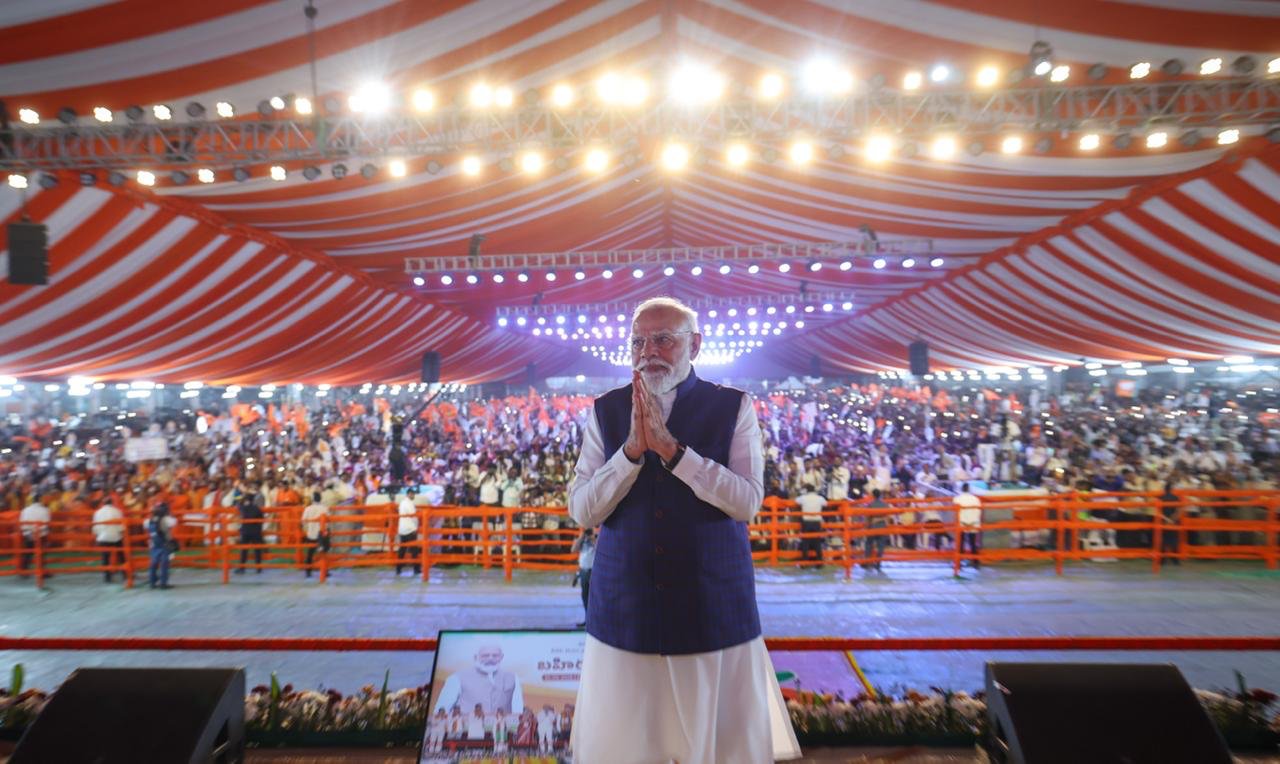
Photo :Narendra Modi X Handle.
Key Takeaways
• The “Guardian of the Rupee” Cry: The PM’s 7-point appeal isn’t just friendly advice; it’s a flashing red alert that India’s dollar reserves are sweating profusely under the heat of the $105-a-barrel Strait of Hormuz crisis.
• Economic patriotism is far from Reality: while the government asks citizens to save forex by ditching gold, skipping foreign trips, and eating less cooking oil, experts call it a “soft policy” masking inevitable, harder economic penalties like duty hikes.
• The Sarcastic Split: the nation is caught in a comical paradox where citizens are told to carpool and work from home to save fuel, while the political elite continues to roll out mega-convoy roadshows and board international flights.
The Great Indian diet: less fuel, no gold, and a side of sarcasm
Welcome to the new era of “economic patriotism,” where your local neighbourhood uncle’s habit of hoarding gold biscuits and your cousin’s fancy destination wedding in Thailand are suddenly classified as threats to national security.
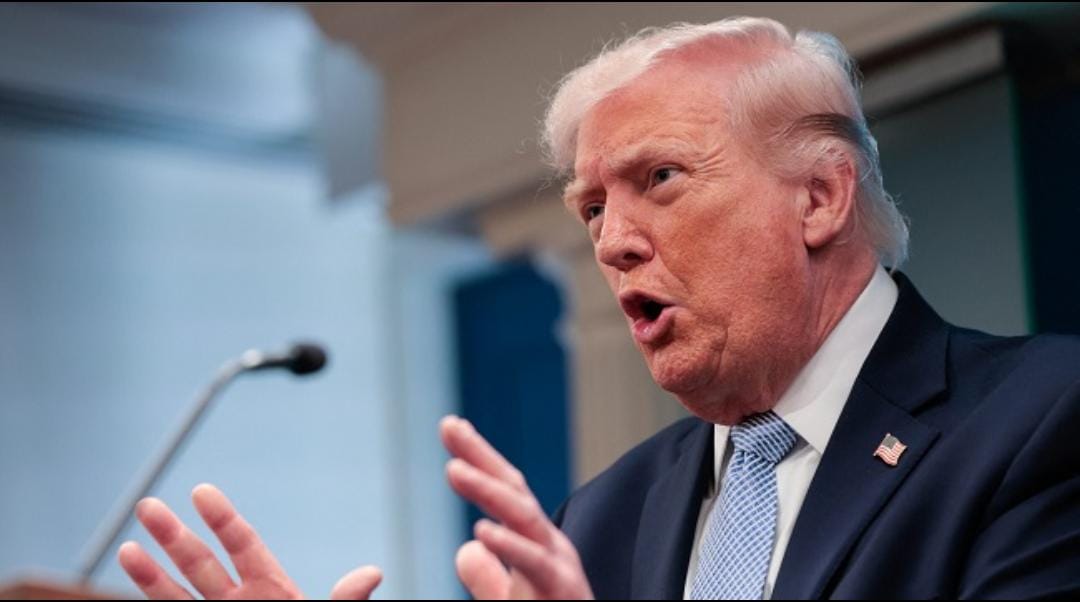
With the Strait of Hormuz looking less like a shipping lane and more like a high stakes geopolitical parking lot due to the US-IRAN conflict, global crude oil has confidently zoomed past $105 a barrel. In response, Prime Minister Narendra Modi did what any forward-thinking leader would do: he went to Hyderabad and handed the nation a 7-point lifestyle makeover.
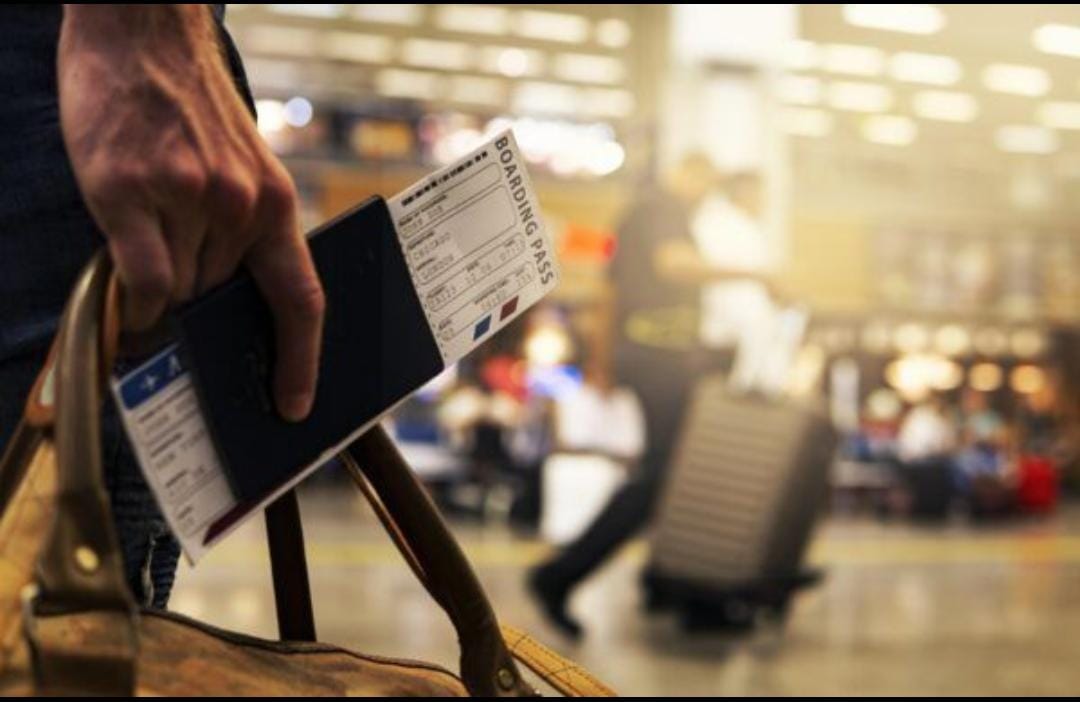
The instructions are beautifully simple. To stop the Indian rupee from sliding into the abyss (it is currently flirting dangerously with the 95-to-a-dollar mark), citizens must gracefully stop buying gold for a year, avoid foreign vacations, reduce petrol consumption, cut down on cooking oil, and basically resurrect the ghost of covid-19 by working from home.
“Save the Rupee” guys
Let’s look at the math, because our Prime Minister’s economic advisory council certainly is. India’s combined annual bill for crude oil and gold imports sits at a staggering ₹18 lakh crore. Thanks to the war, that bill has bloated by a few extra lakh crores. The government’s logic? If the public stops buying gold for that upcoming wedding season and chooses the local metro over their diesel SUVs, India could save a pool of ₹2.5 lakh crore in foreign exchange.
It is a beautiful, utopian vision. Picture an Indian family sitting around a dinner table, voluntarily scraping less edible oil onto their parathas, cancelling their trip to Bali, and telling the bride, “Sorry beta, no gold Mangalsutra for you this year; the rupee needs defending.”
The market, however, didn’t quite appreciate the poetry. The moment the speech dropped, jewellery and aviation stocks took a spectacular 10% dive, wiping out billions in morning trade. The Sensex shed over 1,000 points because nothing screams “Everything is completely under control” quite like the head of state publicly begging people to stop spending dollars.
Expert view: visionary roadmap or patriotic masterstroke?
So, is this a genuine geopolitical shield, or is it just another classic piece of rhetorical political theatre?
Market analysts and economists are looking past the emotional rhetoric to decode the real subtext. According to financial experts, Indian household consumption is driven by three things: income, prices, and stubborn habits. It is rarely driven by moral lectures. History shows us that previous “vocal for local” campaigns did not exactly bankrupt multinational corporations, and festive swadeshi drives haven’t stopped people from buying imported smartphones.
Instead, experts view this 7-point appeal as the “soft opening” for a much harsher economic reality. When a government publicly frames an entire import category as unpatriotic, it’s usually a trailer for the main movie. True to form, the government has already doubled the import duty on gold and silver to an effective rate of 18.4%. Analysts warn that if the public doesn’t listen to the polite request to stop traveling or buying gold, the next step won’t be an appeal it will be hefty luxury taxes, strict remittance surcharges, and deeper fuel price hikes at the pump.
The King in Convoy and Public Transport
The real comedy, as always, lies in the execution. While the common citizen was digesting the news that driving their petrol car to work was hurting the nation, social media users quickly pointed out a tiny scheduling conflict. Just hours after delivering the sermon on fuel conservation, the PM was seen leading a massive, multi-vehicle convoy roadshow in Gujarat inside an Armoured SUV that handles fuel efficiency like a tank. To add to the irony, the address telling Indians to skip foreign travel for a year came just days before the pm himself was scheduled to jet off on a multi-nation tour of Europe and the UAE.
Ultimately, asking a country obsessed with gold and weddings to go on a collective financial fast is a tough sell. While the ideas behind the appeals make sense on a macroeconomic spreadsheet, expecting voluntary public austerity to fix a west Asian maritime crisis is wishful thinking.
So, go ahead and download zoom for your work from home routine, and maybe swap that gold coin for a sovereign bond. But don’t cancel your local travel plans just yet because while the nation might be saving fuel, the political engine is still running on a full tank.
Yeh article aapko kaisa laga?