
Photo: James Bull by X
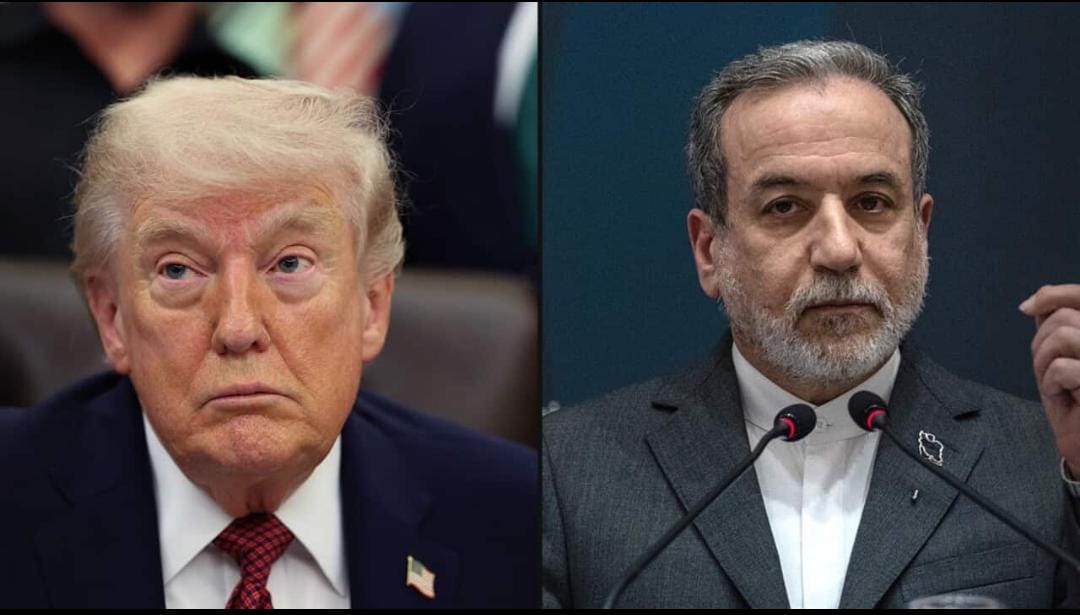
Tensions between the United States and Iran have once again reached a critical point as both countries continue negotiations over Iran’s nuclear programme and regional security issues. Reports from Iranian media suggest that Washington has placed five major conditions before Tehran in exchange for moving forward with a broader agreement. At the same time, Iran has responded with its own demands, making the talks increasingly complex and politically sensitive.
According to reports, the United States has asked Iran to transfer nearly 400 kilograms of enriched uranium to American custody. This demand is being viewed as one of the strongest attempts by Washington to limit Iran’s ability to develop nuclear weapons grade material. Enriched uranium can be used for civilian nuclear energy, but if enriched to higher levels, it can also be used in nuclear bombs. The US believes reducing Iran’s uranium stockpile would lower the risk of future nuclear escalation in the region.
Another major American demand is that only one of Iran’s nuclear facilities should remain operational. This condition is reportedly aimed at reducing Iran’s nuclear infrastructure and ensuring tighter international monitoring. The US has also refused to compensate Iran for economic losses caused by earlier sanctions and diplomatic policies. In addition, Washington has reportedly declined to release even 25 per cent of Iran’s frozen overseas assets, which Tehran has repeatedly demanded for economic recovery.
The United States has also linked progress in the negotiations to the reduction of regional conflicts involving groups backed by Iran in places such as Lebanon and other parts of the Middle East. Reports further claim that American and Israeli military pressure may continue even if Iran agrees to some conditions, raising fears that distrust between the two sides remains extremely high.
Iranian media has strongly criticised the American response, accusing Washington of asking for major concessions without offering meaningful relief in return. Iranian news agencies stated that the US failed to provide concrete guarantees regarding sanctions relief or security assurances. Tehran believes the current American position attempts to achieve through diplomacy what military action could not accomplish during recent conflicts.
Iran has therefore proposed its own five “confidence-building” conditions before any agreement can move forward. These include a complete end to military conflicts in the region, especially in Lebanon, the lifting of US sanctions, and the release of frozen Iranian funds held abroad. Iran has also demanded compensation for damage caused during military confrontations and recognition of its authority over the Strait of Hormuz, one of the world’s most important oil shipping routes.
The Strait of Hormuz carries a significant portion of global oil exports. Any instability in this region directly affects international oil prices and global trade. Following joint US-Israeli military strikes on Iran earlier this year, Tehran launched retaliatory attacks that disrupted shipping in the area, increasing global concerns about energy security.
Iranian military officials have warned that any future attacks by the US or Israel would be answered with stronger retaliation. Iranian Foreign Ministry spokesperson Esmail Baqaei accused Washington of using diplomacy as a cover for military and political pressure. He argued that the US and Israel claim to support peace while actually contributing to instability in the Middle East.
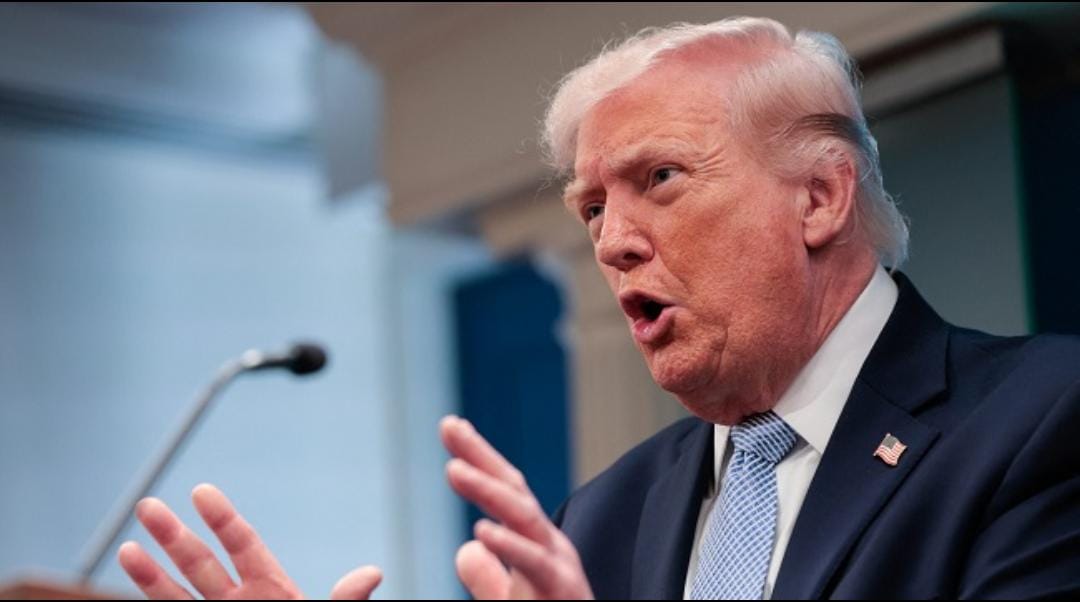
Former US President Donald Trump reportedly rejected Iran’s 14-point peace proposal, adding another layer of uncertainty to the negotiations. Iranian Parliament Speaker Mohammad Bagher Qalibaf warned that continued rejection of Iran’s demands could lead to serious costs for the United States in the future.
Why These Talks Matter
The current negotiations are important not only for the US and Iran but also for global stability. If successful, the talks could reduce the risk of a larger regional war, lower tensions in the Middle East, and stabilise global oil markets. A peaceful agreement could also improve Iran’s struggling economy by easing sanctions and allowing international trade to increase.
For the United States and its allies, limiting Iran’s nuclear programme is considered essential for preventing nuclear weapons development in the region. Washington also wants to reduce the influence of Iran-backed armed groups that operate across the Middle East.
However, the talks also carry major risks and challenges.
Pros of the Negotiations
1. Reduced Risk of War
A successful agreement could prevent direct military confrontation between Iran, the US, and Israel. This would help avoid large scale destruction and civilian suffering in the region.
2. Greater Nuclear Monitoring
If Iran accepts limits on uranium enrichment and nuclear facilities, international agencies would have better oversight of its nuclear activities, reducing fears of weapon development.
3. Economic Relief for Iran
Sanctions relief and access to frozen assets could improve Iran’s economy, create jobs, and reduce inflation affecting ordinary citizens.
4. Stability in Oil Markets
Peaceful relations could secure shipping through the Strait of Hormuz, helping stabilise global oil prices and reducing economic uncertainty worldwide.
Cons of the Negotiations
1. Deep Mutual Distrust
Both countries accuse each other of acting dishonestly. This lack of trust could easily cause the negotiations to collapse.
2. Risk of Military Escalation
Even during talks, threats from both sides continue. Any sudden attack or misunderstanding could trigger a wider regional conflict.
3. Political Pressure at Home
Leaders in both Iran and the United States face pressure from hardliners who oppose compromise. This makes it difficult to reach a balanced agreement.
4. Uncertain Long-Term Impact
Even if a deal is signed, there is no guarantee it will last. Previous nuclear agreements between the US and Iran have collapsed due to changing political leadership and shifting geopolitical interests.
In the end, the ongoing US-Iran negotiations represent a critical turning point for the Middle East and global diplomacy. While both nations continue to exchange demands and warnings, the world watches closely, hoping that dialogue will succeed where conflict has repeatedly failed.
Yeh article aapko kaisa laga?