 Ahad Khan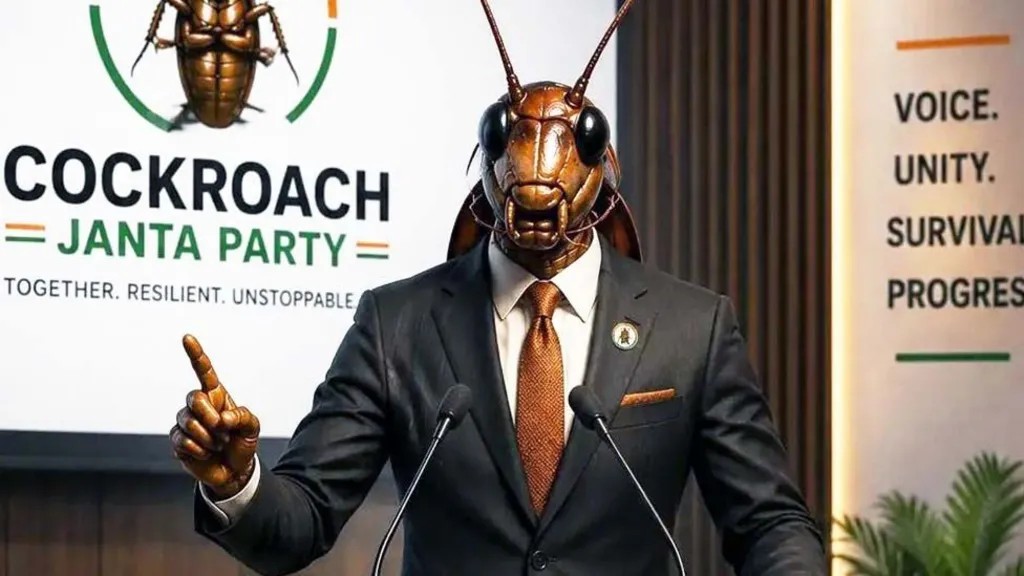
Photo: The Cockroach Janta Party has used AI-generated images, AI-generated image/Cockroach Janta Party
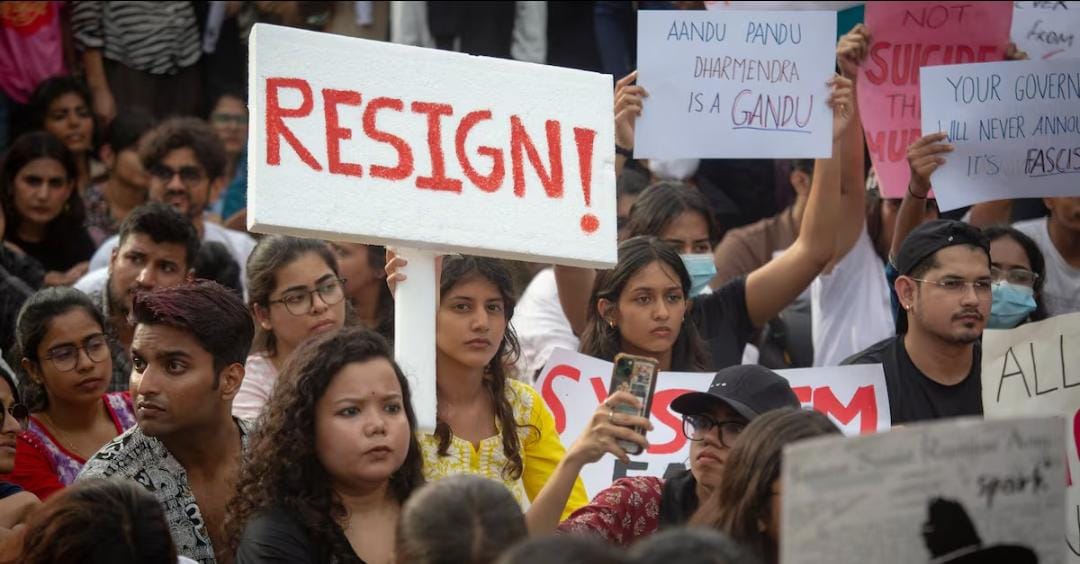
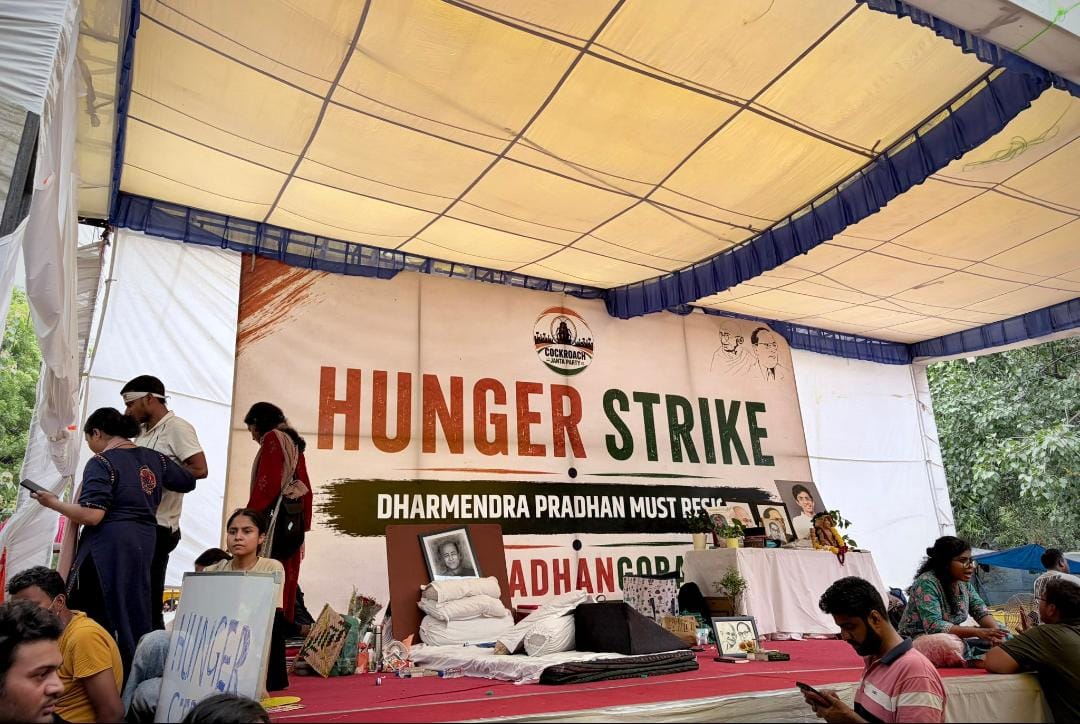
In mid-May 2026, India’s internet ecosystem witnessed something completely new. What started as a viral reaction to a controversial remark during a court hearing, where unemployed youth and online activists were critically compared to “cockroaches” and “parasites” which instantly turned into a massive digital movement. Within days, satirical accounts like the “Cockroach Janta Party” (CJP) and the “National Parasitic Front” (NPF) popped up online. They gained millions of followers almost overnight, completely taking over the social media feeds of young Indians.
Mainstream news outlets have widely praised this trend, calling it a historic wave of youth-driven digital politics. However, if we look past the massive follower counts, we can see a highly deceptive trend.
Highlighting deep-seated national issues is a great civic duty. But calling a viral Instagram page a “political party” is a calculated move that fools a frustrated generation. When you strip away the temporary internet fame, these groups are not actual political organizations. They are simply content-creation trends that lack a real ideology, a long-term strategy, and the actual blueprints needed to run a country.
What These Viral Movements Actually Are
The Cockroach Janta Party was started as an internet joke on May 16, 2026, by a political communications strategist. Calling itself the “Voice of the Lazy & Unemployed,” the page used artificial intelligence tools to quickly draft a funny, mock manifesto.
Soon after, a rival page called the National Parasitic Front emerged as a satirical “opposition party.” It published a manifesto packed with jokes about making long drives affordable again, fixing “situationship” problems, and setting up a “Ministry of Rizz.”
Both groups quickly went viral among Gen Z and millennial users who were frustrated by real-world issues like persistent unemployment, inflation, and continuous exam paper leaks. By turning a public insult into a shared internet identity, these pages created a massive digital community based entirely on humor and shared frustration.
This Trend of So Called ‘Political Parties’ Isn’t New
It is important to remember that the Cockroach Janta Party is not the first group to try this hack. This exact trend was kicked off earlier this year on January 26, with the launch of the Digital Political Party (DPP). Released deliberately on Republic Day to capture maximum patriotic and political attention, the DPP put up the objective of accountability.
However, the DPP established a predictable pattern that the CJP is now following. It generated massive hype during its initial launch week, collected data and email sign-ups from thousands of hopeful youth, posted aesthetic content about systemic flaws, and then completely ran out of steam. It became clear that running a digital account is entirely different from building a real-world political base. The current wave of meme parties is simply a louder, more humorous version of a social media trend that has been failing to create real-world impact all year.
Naming it a “Party” is an Act of Deception
There is a huge, non-negotiable line between a digital protest group, a joke page, and an actual political party. Calling a viral Instagram handle a “political party” is a calculated trick. It borrows the seriousness and authority of a real institution without doing any of the actual, heavy groundwork.
This labeling misleads young, anxious students into thinking they are joining a meaningful political revolution. In reality, they are simply inflating a content creator’s follower count.
If an organization wants to call itself a political party, it must be held to the standards of an actual institution. True political movements, even youth-led ones need a clear philosophical framework. They need an established ideology that explains their stance on taxes, industry, infrastructure, and laws etc. By operating without any real ideology, these social media parties prove they are not built to govern; they are built to trend.
Raising Social Issues does Not make them a Political Party
The main defense of these digital movements is that they are raising awareness about critical, real-world crises, like the recent national exam paper leaks that have devastated students.
But as aware and concerned youth, we must ask a fundamental question: Who isn’t already talking about these problems? The mainstream press, regional opposition leaders, local student unions, and millions of ordinary citizens on the street are already continuously highlighting these exact failures. Pointing out that a system is broken is not a new political strategy. The true test of a modern political alternative is not its ability to copy-paste public anger into a viral video, but its capacity to provide a clear, workable resolution.
If these groups are truly serious about representing the next generation, where are their detailed legislative plans? Where is their concrete policy proposal to secure national examination boards against corruption? Where is their strategic blueprint for job creation? Creating content that points out a wound is easy; drafting the structural policy to heal it is where real political leadership begins.
Hiding Behind Satire to Escape Accountability
A deep flaw within this trend is the complete confusion between content creation and political organization. The entire infrastructure of these “parties” exists on commercial, third-party apps like Instagram and X. They do not own their ground; they are merely renting digital space from tech billionaires.
• The Metrics Trap: A content creator’s primary goal is digital engagement, views, likes, shares, and comments. A political organizer’s goal is institutional, building local teams, managing voting booths, and handling legal filings. By prioritizing short-form videos and internet trends, these groups treat national crises as viral entertainment.
• The Satire Shield: This model allows the founders of these pages to enjoy a very convenient double standard. They court massive political influence, shape the opinions of millions of young minds, and demand accountability from the government. However, the moment an analyst asks them for a concrete, legally viable plan to fix the country, they instantly hide behind a classic defense mechanism: “Hey, we are just a parody account.” This loop allows them to criticize everyone else without ever being vulnerable to criticism themselves.
Mistaking “Likes” for Political Action
The biggest risk of this trend is that it trains an entire generation to mistake social media metrics for actual political progress. Double-tapping a reel, leaving a sarcastic comment, or sharing a meme gives a student the quick satisfaction of political participation, but it accomplishes absolutely nothing in the real world.
Real political change in India has never happened through an algorithm. It happens through grueling, unglamorous physical work, registering voters on the ground, filing public interest litigations, drafting policy white papers, and building real-world coalitions that span across rural and urban divides. By turning serious systemic failures into a shallow internet aesthetic, these viral movements risk burning out the genuine political energy of the youth, turning real anger into temporary digital noise that can be wiped out by a single algorithm update.
Conclusion
Sudden rise of social media political parties in May 2026 highlights the immense power of digital tools to capture public attention. However, separating fact from internet hype reveals that these movements currently function as digital protest platforms rather than genuine political alternatives. While they have successfully proved that online satire can bypass traditional media channels, their total reliance on short-form content leaves them without an ideology or an institutional strategy. Until these digital-native movements move past creating viral videos and begin the complex work of building a structured, policy-driven organization with a clear vision, they will remain a temporary internet trend rather than a sustainable alternative for the future of Indian democracy.