
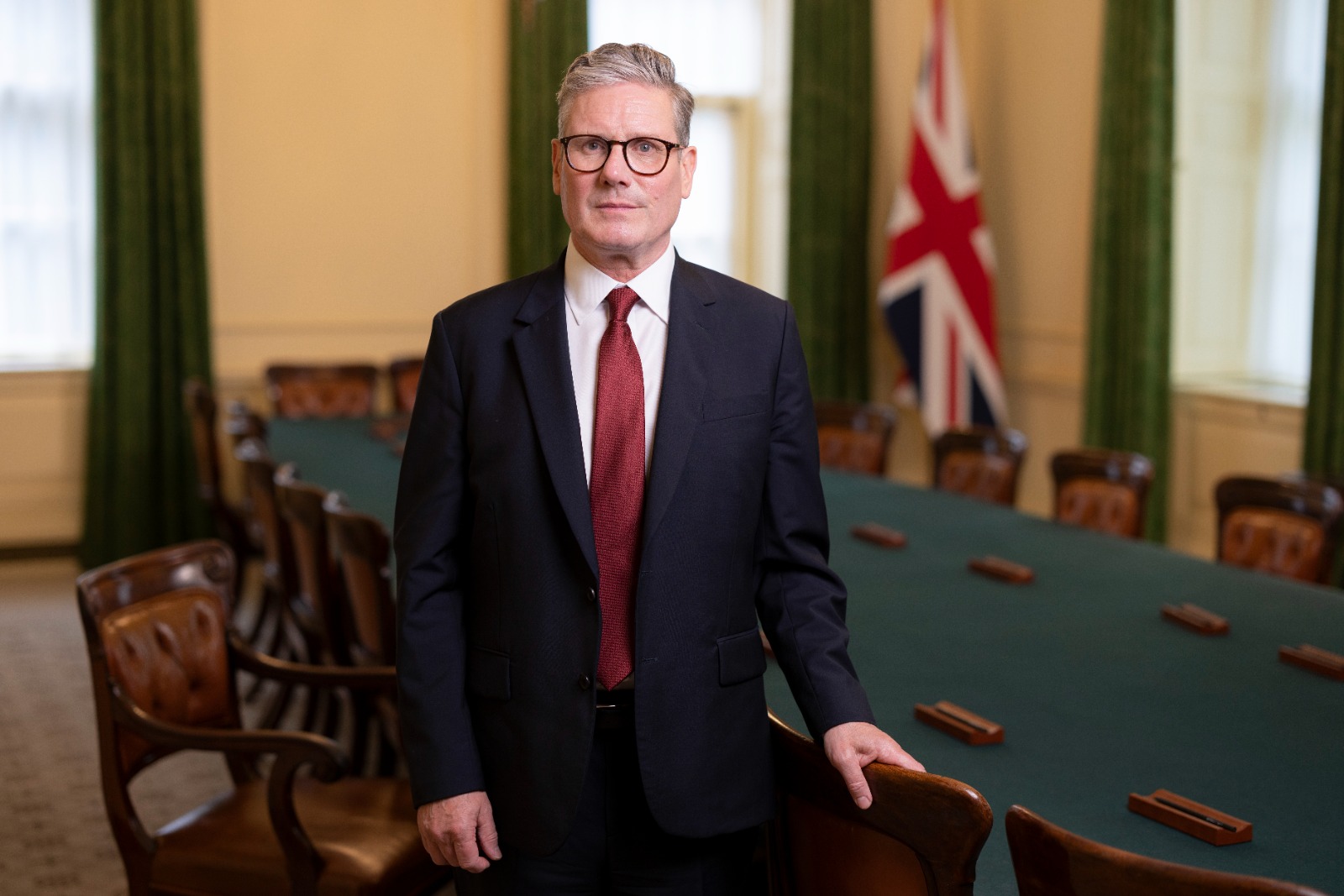
Photo: Prime Minister Keir Starmer, Prime Minister’s Office, Simon Dawson / No 10 Downing Street
On June 22, 2026, Keir Starmer stepped down as the UK Prime Minister, less than two years after his election victory. His departure means the United Kingdom is now preparing for its seventh Prime Minister in just ten years. This article explores the specific reasons behind Starmer’s resignation, including the Peter Mandelson controversy and recent local election defeats, before analyzing how the 2016 Brexit vote created a decade of political instability. Finally, it looks at the likely next Prime Minister, Andy Burnham, and his practical approach to leading the country forward.
When a country changes its leader seven times in ten years, it becomes clear that the underlying system is under immense strain. On Monday, June 22, 2026, Keir Starmer stood outside 10 Downing Street and announced the end of his premiership.
Speaking with a steady but emotional tone, Starmer addressed the public and his party: “The question my party is asking now is whether I am best placed to lead us into the next general election. I have heard the answer of my parliamentary party to that question, and I accept that answer with good grace.”
His exit marks another shortened term for a British leader. To understand why this keeps happening, we have to look at the immediate events that caused Starmer to lose support, and the broader, decade-long impact of Brexit on the UK government.
Resignation of Keir Starmer
Starmer took office in July 2024 with a very large majority in Parliament. However, by June 2026, his public approval rating had dropped to -46. His resignation was the result of a few specific policy decisions and incidents that caused him to lose the trust of both the public and his own lawmakers:
- Mandelson Appointment: In April 2026, it was revealed that Starmer had appointed Peter Mandelson as the UK ambassador to Washington despite Mandelson failing his security vetting. The controversy centered around Mandelson’s past associations with the convicted sex offender Jeffrey Epstein. This decision severely damaged Starmer’s reputation for careful judgment.
- Unpopular Economic Choices: To manage the national budget, Starmer’s government made decisions that directly impacted everyday citizens, such as restricting winter fuel payments for pensioners and enacting welfare reforms. These choices were deeply unpopular with the public.
- May 2026 Election Losses: The public’s frustration showed clearly during the local elections in May 2026. The Labour Party suffered heavy losses across England and lost its hold on power in Scotland and Wales.
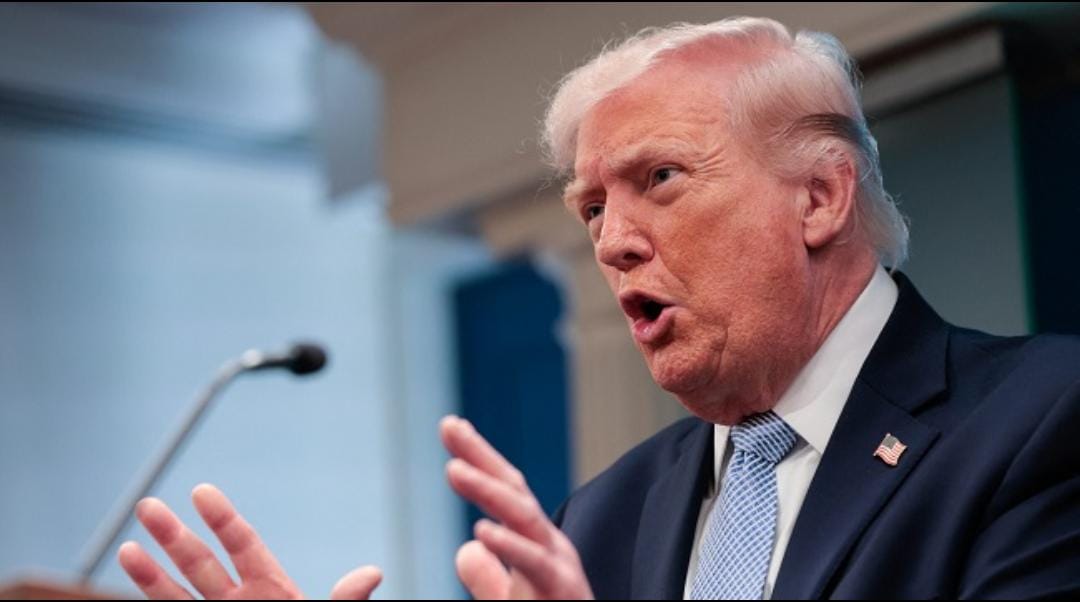
- International Friction: Starmer also faced challenges abroad. His relationship with US President Donald Trump had soured over the ongoing conflict with Iran, which the UK chose not to join. Trump even weighed in publicly just before Starmer’s announcement, stating, “Keir Starmer will resign as Prime Minister of The United Kingdom,” linking the exit to disagreements over immigration and energy.
Facing the reality of these missteps and fearing a loss in the next general election, Labour Party Members of Parliament (MPs) heavily pressured Starmer to step aside, leading to his resignation.
Why Brexit can be a Reason for Decade of Political Instability?
While Starmer had his own unique challenges, his resignation is part of a much larger pattern. Since the Brexit referendum in 2016, no UK Prime Minister has been able to complete a full term.
2016: David Cameron, resigned after the public unexpectedly voted to leave the European Union.
2019: Theresa May, resigned after failing to get her negotiated Brexit withdrawal agreement passed by her own MPs.
2022: Boris Johnson, resigned following a series of ethics investigations, most notably the “Partygate” controversy during COVID-19 lockdowns.
2022: Liz Truss, resigned after just 49 days when her tax-cutting economic plan caused severe disruptions in the financial markets.
2024: Rishi Sunak, voted out in the general election after the public grew frustrated with the sluggish economy and strained public services.
2026: Keir Starmer, resigned after local election defeats, unpopular welfare cuts, and the Mandelson vetting controversy.
The root cause connecting many of these shortened terms is Brexit. Leaving the European Union fundamentally changed the political and economic landscape of the UK in a few key ways:
Economic Friction:
During the Brexit campaign, voters were famously promised on the side of a campaign bus that leaving the EU would free up £350 million a week for the National Health Service (NHS). In reality, leaving the European Single Market created massive new trade barriers. According to recent economic estimates cited by the government, Brexit shrank the UK’s potential economic growth by roughly 4% to 8%. Because the economy is smaller, the government collects less in taxes. This leaves Prime Ministers with a nearly impossible task: trying to fund crumbling public services without the economic growth needed to pay for them.
Divided Politics:
Before Brexit, people generally voted for the same political party their whole lives. The Brexit debate shattered that loyalty. As Professor Anand Menon, director of the UK in a Changing Europe think tank, recently explained, Brexit “eroded the organic ties that once linked parties to their voters. Voter volatility means parties have to work harder to attract support.” Today, leaders have to try to keep pro-European city dwellers and traditional working-class voters happy at the same time. When they try to compromise, they often end up alienating everyone.
Nervous Parliament:
Because the economy is struggling, voters are quick to express their anger at the polls. And because of the way the UK system works, the Prime Minister is kept in power by their own lawmakers (MPs). When these MPs see their party sinking in the polls, they become terrified of losing their jobs. Instead of waiting for a national election, they panic and force the Prime Minister to resign. This paranoid atmosphere is exactly why we have seen so many leaders pushed out the door before finishing a full term.
Who is Andy Burnham ‘King of the North’ likely to be Next UK PM?
With Starmer acting as a caretaker, the Labour Party is moving quickly to select the next leader. The clear frontrunner is Andy Burnham, the former Mayor of Greater Manchester.
Burnham carefully positioned himself for this moment. On June 19, 2026, he won a parliamentary by-election in the Makerfield constituency, officially making him an MP and eligible to become Prime Minister. His path was cleared further when Wes Streeting, the former Health Secretary and a potential rival, stepped aside to support him. Streeting noted, “We could spend the summer exaggerating small differences, or we can roll up our sleeves and help him to deliver the change our party and our country needs.”
If Burnham takes office, he faces the difficult task of making the post-Brexit reality work. His approach relies heavily on practicality over political ideology:
Unlike leaders who focus primarily on London and international matters, Burnham has built his reputation by improving regional infrastructure. He plans to focus on tangible, everyday issues like building housing, improving local transportation, and creating jobs outside the capital.
By avoiding abstract political debates and focusing strictly on improving daily public services, Burnham hopes to win back the trust of the working-class voters who have felt ignored by recent governments.
The United Kingdom is navigating a challenging chapter in its history. The success of the next Prime Minister will depend entirely on their ability to manage the very real economic limitations created by Brexit, while finally providing the stability that the British public has been waiting a decade for.
Yeh article aapko kaisa laga?