
 Siddhant Bijoliya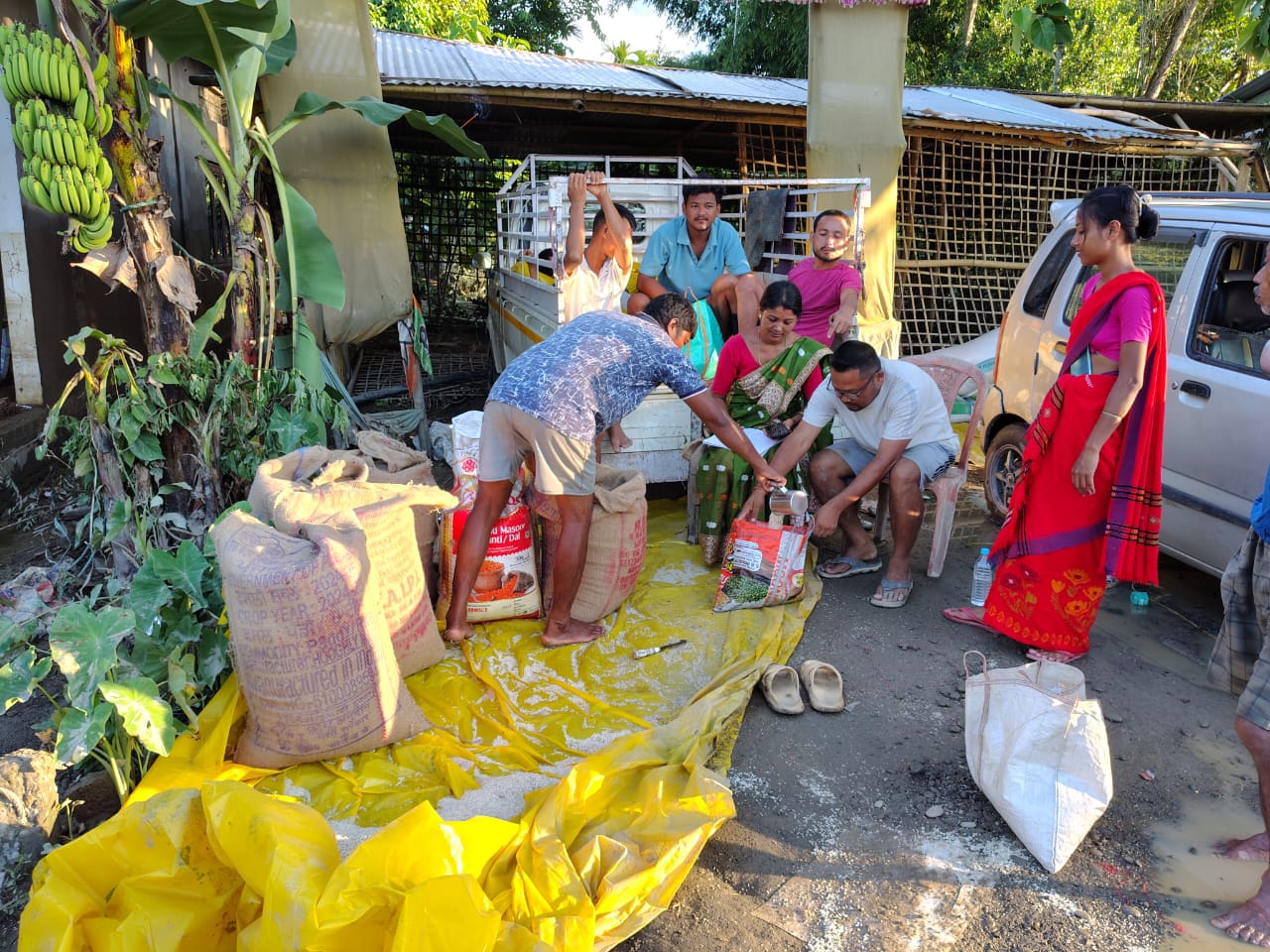
Image credit: Image Credits: Cheif Minister Assam’s X Handel.
Every monsoon season, the northeast Indian state of Assam faces a familiar crisis. Rivers overflow, vast stretches of farmland disappear under water, and hundreds of thousands of people are forced out of their homes. Year after year, government authorities promise better preparedness, new relief funds, and stronger embankments. Yet, when the heavy rains arrive, the disaster management system struggles, leaving millions asking the same painful question: Why does monsoon preparedness keep failing in Assam?
To answer this question, we must look beyond just heavy rainfall. While intense downpours trigger the crisis, the real problem lies in a mix of natural geography, outdated infrastructure, poor urban planning, and ecological damage.
The Mind of the Brahmaputra
The heart of Assam’s landscape is the Brahmaputra River. It is not a typical river; it is a massive, shifting water system carrying enormous amounts of soil, rock, and silt from the high Himalayas. As the river enters the flat plains of Assam, it slows down and deposits this heavy silt along its riverbed.
Over time, these silt deposits raise the riverbed, making the channel shallow. As a result, even normal monsoon rainfall causes the river to spill over its banks. Simply putting up walls or digging up sand cannot easily control a river system as dynamic and powerful as the Brahmaputra.
The “Embankment Trap”
For decades, the primary strategy to prevent floods in Assam has been building earthen embankments raised walls along riverbanks. Today, thousands of kilometers of embankments crisscross the state. However, most of these structures were built in the mid-20th century and have long passed their expected structural lifespans.
These aging earthen walls often fail under pressure. High water flows and strong currents erode the soil, causing sudden breaches that flood surrounding villages without warning. Ironically, embankments can also trap rainwater inside towns and villages. When floodwaters begin to recede, poor drainage sluices prevent trapped water behind embankments from flowing back into the river, causing prolonged waterlogging.
Destruction Upstream and Wetland Loss
Human activity upstream and across the region has made the flood situation much worse. Widespread deforestation in nearby hilly areas accelerates topsoil erosion. When trees are cut down, rainwater rushes down hillsides unchecked, carrying tons of mud directly into river tributaries.
At the same time, Assam has lost many of its natural sponges. Historically, vast natural wetlands known locally as “beels” acted as giant storage buffers during the monsoons, soaking up surplus floodwaters. In recent decades, rapid urbanization, agricultural expansion, and illegal encroachments have destroyed or filled in many of these wetlands. Without wetlands to hold excess rainwater, runoff flows straight into towns and overcrowded settlements.
Gaps in Forecasting and Disaster Response
Disaster management is not just about building walls; it relies heavily on early warning systems and localized coordination. While weather forecasting technology has improved significantly, hyper-local warnings often fail to reach vulnerable rural communities in time.
When warnings arrive late or lack specific local detail, families cannot save their livestock, crops, or belongings. Additionally, flood relief efforts frequently operate in a reactive mode responding after the crisis hits rather than preparing communities long before the clouds burst.
Learning to Live with the River
Trying to tame a river as vast as the Brahmaputra solely through concrete and soil structures has proven ineffective. A shift in approach is necessary.
Instead of relying only on temporary fixes, flood management must focus on long-term river basin planning, restoring degraded forests, protecting natural wetlands, and building climate-resilient infrastructure. Local communities can also adapt by reviving traditional practices, such as building homes on raised platforms and planting flood-resistant crops.
Assam’s flood crisis is a complex ecological challenge. Real preparedness means moving away from short-term fixes and moving toward a strategy that respects the natural rhythm of the river.