
Photo: Benjamin D Applebaum
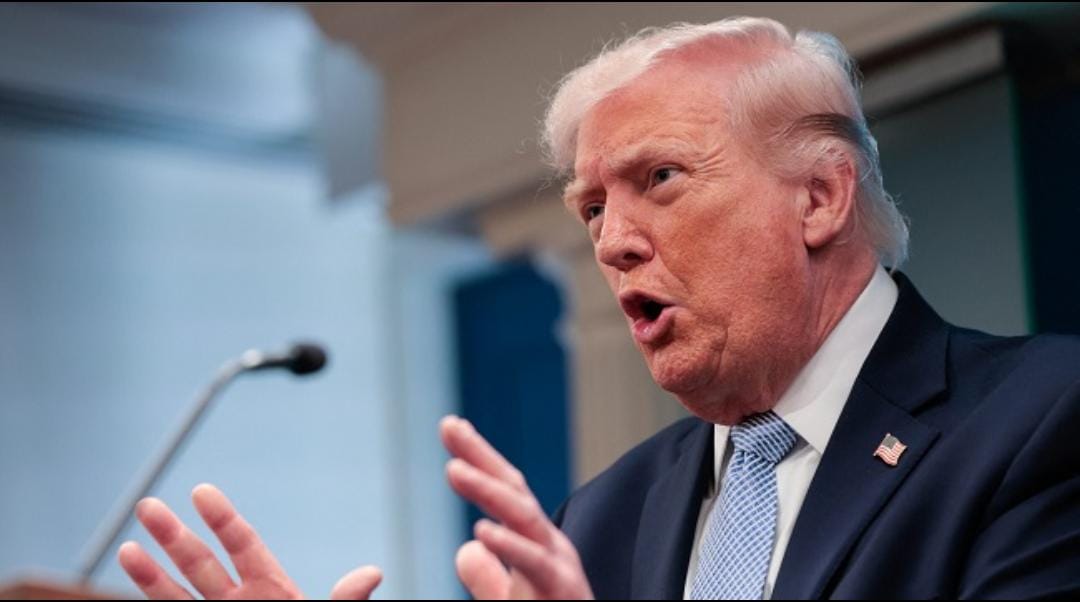
When President Donald Trump recently issued a blunt declaration on social media, telling European allies to “Go get your own oil,” it wasn’t just political rhetoric, it was a seismic shift in global economic security.
| Written by Ahad Khan |
As global crude prices stubbornly hover above the critical $106-per-barrel mark, a vital question must be asked: Is the United States actively plotting an end to the current Middle East conflict, or is the world standing on the edge of an unprecedented energy blackout?
Crisis of Supply
The Strait of Hormuz is the undisputed jugular vein of global energy, processing roughly 20% of the world’s daily oil consumption. With the waterway facing severe operational disruptions, the global supply chain is choking.
European nations are feeling the most immediate impact. According to international energy analysts and reports mirroring data from the Financial Times, countries like the United Kingdom rely heavily on West Asia for aviation fuel and industrial energy. Faced with the prospect of grounded flights and fuel rationing, these nations looked to the U.S. for strategic maritime support.
Instead, they received a sensational ultimatum. Trump criticized allies for their lack of military participation and offered a stark alternative: buy American oil, or secure the Middle Eastern waterways yourselves. He further claimed that the primary adversary’s infrastructure had been “essentially decimated,” boldly stating that “the hard part is done.”
An Ultimatum, Not a Peace Treaty
Interactive Checkpoint: If two nations stop firing missiles for a week, does that mean the war is over? Not necessarily. It often means both sides are simply reloading. It is crucial to correct a widespread public misconception: The recent “cooling-off” period does not guarantee a peace treaty. It is a highly aggressive diplomatic squeeze.
Investigative reports from international defense observers suggest that Washington has bypassed traditional diplomatic channels, forwarding a strict 15-point proposal through regional intermediaries.
The High-Stakes Demands:
Nuclear Surrender: Complete dismantlement of key nuclear facilities and the handover of highly enriched uranium to the International Atomic Energy Agency (IAEA).
Maritime Freedom: The immediate and unconditional reopening of the Strait of Hormuz.
Proxy Ceasefire: A total halt to the funding and arming of regional militant factions.
The stakes attached to this proposal are apocalyptic. The U.S. has signaled that failure to comply by the end of the 10-day window will result in the total obliteration of remaining energy infrastructures, specifically targeting vital oil export hubs.
The View from the Other Side
Has this aggressive strategy worked? Current geopolitical data points to a dangerous deadlock.
State-aligned media and international diplomatic sources indicate that the opposing leadership has vehemently rejected the 15-point plan, labeling it an “irrational” overreach. Their counter-demands include the immediate withdrawal of Western military forces and substantial war reparations are non-starters for Washington.
Abbas Keshvani, a macro strategy expert, recently highlighted the core economic danger of such standoffs: “The pressure on global markets is not just from speculators; it comes from the real, physical demand for energy that is currently trapped.” While Washington seeks a definitive victory lap, the reality on the ground remains a tightly coiled spring.
Shielding Your Assets
The era of the United States acting as the unconditional guarantor of global energy routes may be coming to an abrupt end. For the reader, this shift translates directly into economic volatility. When global oil spikes, transport costs surge, and import-heavy currencies like the Indian Rupee face massive depreciation, acting as an invisible tax on your daily life. Brace for sticky inflation. From groceries to electronics, the cost of manufacturing and shipping is rising. Prioritize emergency savings and delay non-essential, import-heavy purchases.
Market volatility will remain high until a definitive resolution is reached regarding the Strait of Hormuz. Diversifying portfolios with commodities or sectors that traditionally withstand inflationary pressures is a critical defensive maneuver. The message is clear, energy independence is no longer a luxury; it is a critical matter of national security. Fast-tracking alternative energy infrastructure is the only viable shield against future geopolitical blackmail.
The U.S. ultimatum has drawn a line in the sand. As the clock ticks down on the proposed “cooling-off” period, the global economy watches closely. The next move will either reopen the arteries of global trade or plunge the markets into uncharted, perilous waters.
Yeh article aapko kaisa laga?