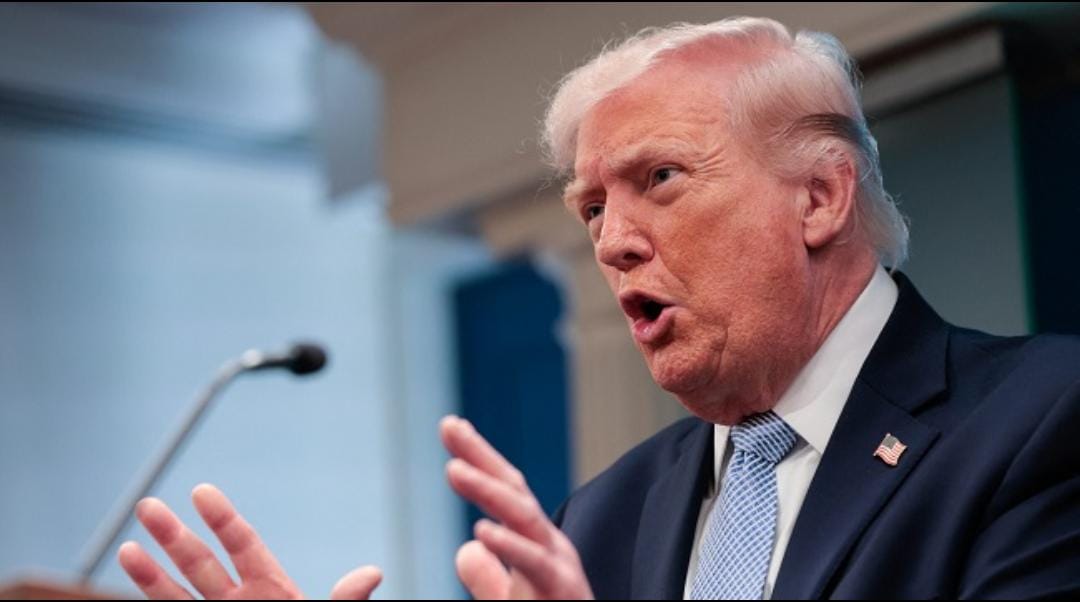

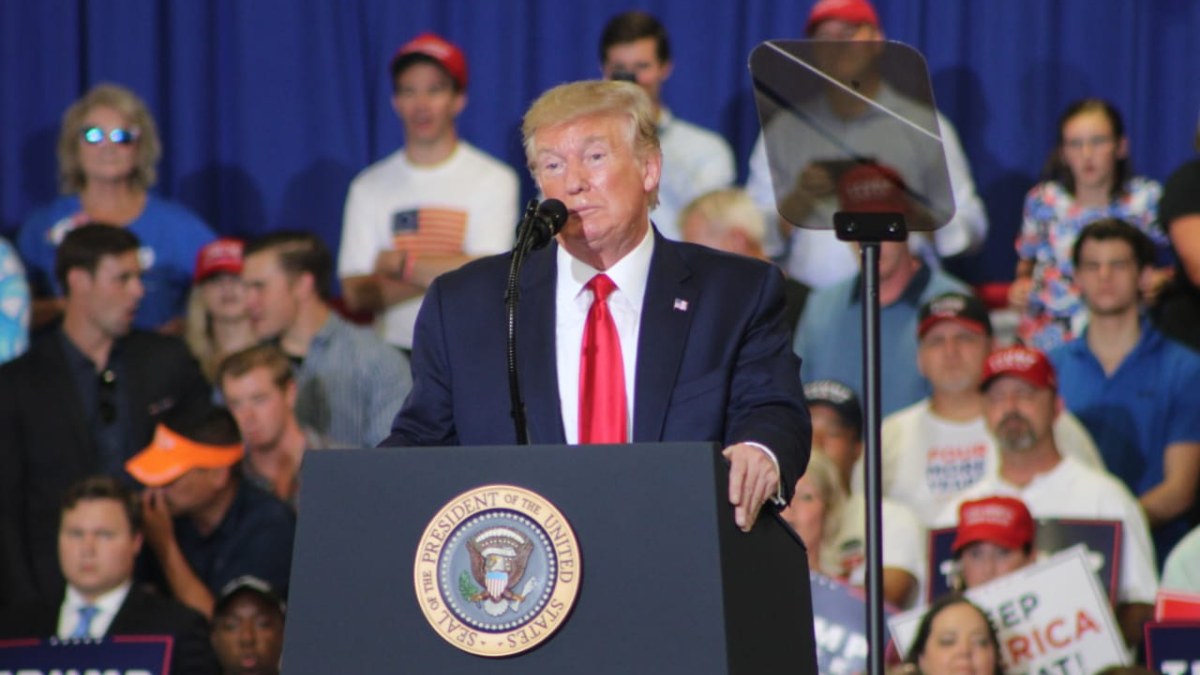
Photo: President Donald Trump at the Keep America Great rally in Fayetteville.
Controversial Post Triggers Backlash
Donald Trump has once again found himself at the center of controversy after sharing a post by Michael Savage on his platform, Truth Social. The post, originally part of Savage’s podcast Savage Nation, included harsh and offensive remarks about countries like India and China while criticizing the United States’ birthright citizenship policy.
Savage used derogatory language to describe these nations and alleged that immigrants exploit American laws for personal benefit. By reposting the content, Trump drew criticism from political leaders, immigration advocates, and members of the public who viewed the remarks as racist and divisive.
What Was Said in the Rant
In the podcast, Savage argued against automatic citizenship for children born in the United States to non-citizen parents. He claimed that people from countries such as India and China travel to the US during the final stages of pregnancy to ensure their children gain American citizenship at birth.
He further alleged that such individuals later bring extended family members into the country, placing a burden on the system. His remarks went beyond policy criticism and included offensive stereotypes about immigrants, particularly those working in the technology sector. These statements have been widely condemned for promoting harmful generalizations and misinformation.
Debate Over Birthright Citizenship
Birthright citizenship refers to the legal principle that grants citizenship to anyone born within a country’s territory, regardless of their parents’ nationality. In the United States, this right is protected under the 14th Amendment to the United States Constitution, which has long been interpreted to guarantee citizenship to nearly all individuals born on American soil.
Trump has consistently opposed this policy. He argues that the system is outdated and is being misused in today’s world of global travel. According to him and his supporters, the law encourages “birth tourism,” where individuals travel to the US specifically to give birth and secure citizenship for their children.
However, many legal scholars and constitutional experts disagree with this interpretation. They maintain that the 14th Amendment clearly establishes birthright citizenship and that changing it would require a constitutional amendment, not just executive action.
Trump’s Recent Actions on the Issue
After returning to office in 2025, Trump signed an executive order aimed at restricting automatic citizenship in certain situations. This move was part of a broader effort to reform immigration policies and tighten border controls.
The executive order has faced immediate legal challenges, with critics arguing that it contradicts the Constitution. A key case related to this issue is currently under review by the Supreme Court of the United States, which is expected to decide whether the administration’s actions are lawful.
Trump has publicly expressed concern about the possible outcome. He stated that a ruling against his position could have serious consequences for the country, both economically and in terms of national identity.
Global Perspective on Citizenship Laws
Contrary to Trump’s earlier claim that the United States is the only country offering birthright citizenship, many nations around the world follow similar policies. Countries such as Canada and Mexico, along with several in South America, grant citizenship to individuals born within their borders.
At the same time, some countries have more restrictive laws, requiring at least one parent to be a citizen or permanent resident. This variation highlights the complexity of citizenship policies globally and the challenges involved in balancing national interests with human rights.
Reactions from Critics and Supporters
The reposting of Savage’s remarks has led to strong reactions across the political spectrum. Critics argue that sharing such content promotes xenophobia and undermines the contributions of immigrants, particularly from countries like India and China, who play a significant role in sectors such as technology, medicine, and education.
Immigrant advocacy groups have emphasized that generalizing entire communities based on isolated claims is both unfair and harmful. They also point out that immigrants have historically contributed to economic growth and cultural diversity in the United States.
On the other hand, some supporters of Trump agree with the broader concern about misuse of immigration laws. They argue that reforms are necessary to address loopholes and ensure that the system is fair and sustainable.
Impact on India and China Relations
The controversy has also drawn attention internationally, especially in countries like India and China. While the remarks were made by a private commentator, Trump’s decision to amplify them has raised concerns about diplomatic sensitivity and respect.
India, in particular, has a large diaspora in the United States, many of whom are highly skilled professionals contributing to major industries. Negative portrayals of such communities risk straining public perception and could have wider social implications.
Conclusion
The incident highlights the ongoing tension in the United States over immigration policies and national identity. While debates over laws like birthright citizenship are not new, the tone and language used in public discussions continue to shape how these issues are perceived.
As the Supreme Court of the United States prepares to deliver its ruling, the future of birthright citizenship remains uncertain. What is clear, however, is that responsible and respectful dialogue will be essential in addressing one of the most complex and sensitive issues in modern politics.
Yeh article aapko kaisa laga?