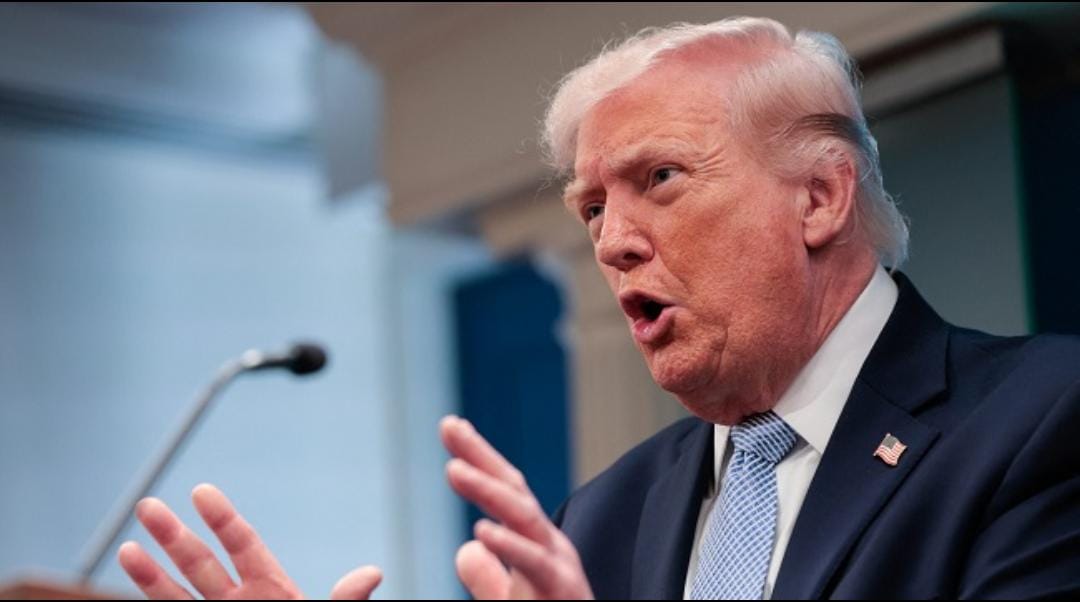

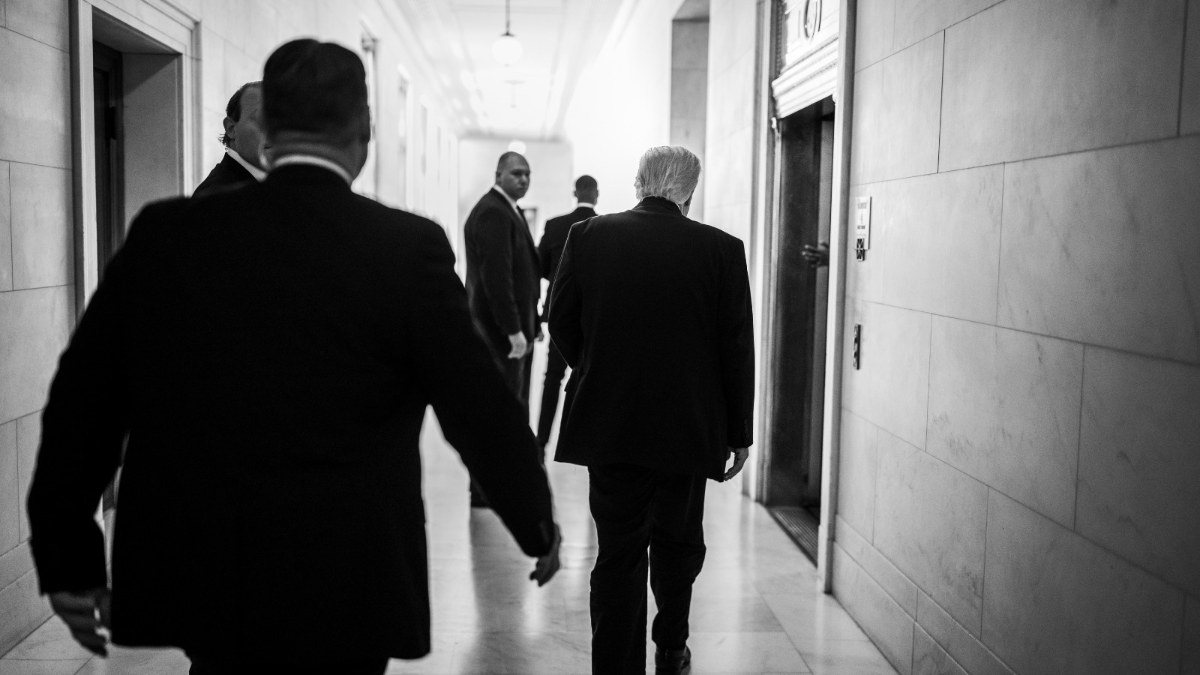
Photo: President Donald J. Trump departs the Supreme Court, Wednesday, April 1, 2026, Daniel Torok
The Supreme Court declared the tariffs unconstitutional, but the justices did not actually order the government to pay the money back. The story of this refund involves constitutional limits, subsequent court orders and a complex administrative process.
The United States federal government is currently processing an estimated $166 billion return to American businesses. Following a Supreme Court decision that struck down presidential tariffs, billions of dollars are flowing back into the corporate sector. However, the legal reality of this process is widely misunderstood.
Exact Supreme Court Ruling
When the previous administration invoked emergency powers to impose peacetime tariffs on imported goods, businesses immediately filed lawsuits. The Supreme Court ruled in a 6-3 decision that the administration had overstepped its constitutional boundaries by bypassing Congress.
Chief Justice John Roberts stated that while a President holds the power to regulate foreign commerce during a national emergency, the specific power to impose customs duties belongs exclusively to Congress.
The Supreme Court fundamentally ruled on the separation of powers. They struck down the tariffs, declaring the policy unconstitutional and legally invalid. However, their ruling stopped there. They did not outline a framework for financial compensation, nor did they issue a direct mandate for the U.S. Customs and Border Protection (CBP) to refund the collected money.
Source of the Refund Order
Because the Supreme Court did not address the financial return, the lower federal courts had to intervene. The actual order forcing the government to pay back the money came from the U.S. Court of International Trade.
Following the Supreme Court’s constitutional ruling, Judge Richard K. Eaton took charge of the physical refund process. He officially ordered the U.S. Customs and Border Protection to refund all duties paid under the unlawful executive orders. The lower court recognized that since the original collection of the tax was unconstitutional, the government had no legal right to keep the funds. This secondary ruling is what finally released the $166 billion for American importers.
Administrative Challenge of Returning Billions
Ordering the refund was only the first step. Returning $166 billion to the private sector has created a massive administrative challenge for the federal government.
According to court documents, more than 330,000 U.S. importers paid these unlawful tariffs across approximately 53 million individual shipments. The CBP informed the courts that processing these refunds manually would take an estimated 4.4 million labor hours.
To prevent a system failure, the CBP developed a fully automated digital portal known as CAPE (Consolidated Administration and Processing of Entries). Through this system, eligible companies must now upload their shipment data to prove they paid the illegal tariffs, initiating the process to reclaim their funds.
Ultimate Beneficiaries of the Refund
While the $166 billion payout is a historic victory for the corporate sector, the financial reality for the everyday American consumer is different.
When these tariffs were initially imposed, companies passed the inflated costs directly down to the consumer, raising the prices of everyday goods at the checkout counter. Now that the government is returning that money, ordinary citizens should not expect a refund.
Financial surveys and corporate statements indicate that corporations will keep the vast majority of these recovered funds. Major retailers and manufacturers plan to use the billions of dollars to repair their balance sheets, invest in infrastructure, and distribute shareholder dividends.
Ultimately, the Supreme Court successfully protected the Constitution by stopping a presidential overreach on taxation. However, the quiet reality of the $166 billion refund is that the lower courts had to force the payout, and the corporations will be the primary beneficiaries.
Yeh article aapko kaisa laga?