
The peace talks in Islamabad have stopped, raising a critical question across the globe: will the war in the Middle East escalate again? The highly expected second round of negotiations between the United States and Iran was supposed to happen this week.
However, the talks are currently on hold because the Iranian delegation did not show up in Pakistan. United States Vice President JD Vance remained in Washington on Tuesday, waiting for a clear sign that Iran was actually ready to return to the negotiating table.
Expiring Ceasefire
The failure to meet in Islamabad brings both countries dangerously close to renewed conflict. Pakistan helped negotiate a two-week ceasefire that started earlier this month. This temporary peace agreement is strictly scheduled to expire on Wednesday night. Without a new agreement or a formal extension, the fighting is expected to start again immediately.
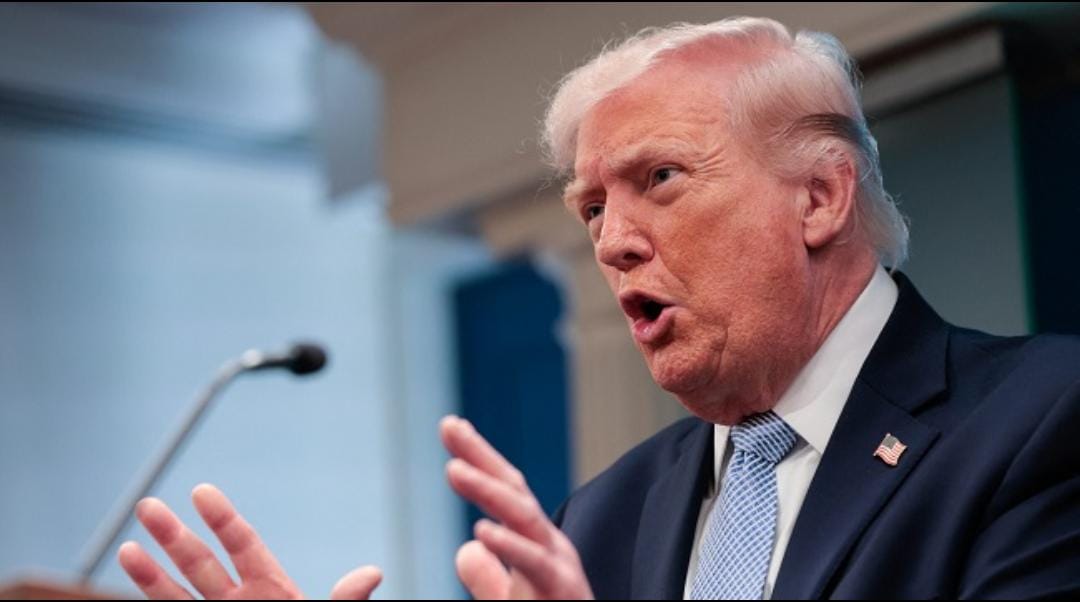
The United States has made its position clear regarding the deadline. United States President Donald Trump has stated that he does not want to extend the temporary peace. He delivered a strong public warning that heavy military action will resume if the Wednesday deadline passes without a permanent deal. The American demands remain focused on ensuring Iran completely abandons its nuclear weapons program.
Why Iran Refused to Meet
The main reason for the stalled talks is a deep disagreement over military actions at sea. The Iranian government is facing intense internal pressure from its own military leaders to refuse any further negotiations. The military leadership wants the United States to end its strict naval blockade before Iranian diplomats return to Islamabad.
Tensions increased recently when the United States military seized an Iranian cargo ship, an action that Iran quickly called a hostile violation of the ceasefire. Because of this ongoing naval blockade, Iranian officials stated they will not accept negotiations while they are under an active military threat. They have warned that they are prepared for the battlefield if the diplomatic process completely fails.
Global Economic Impact
The pause in these peace talks is already hurting the global economy. In response to the American naval blockade, Iran has threatened to block the Strait of Hormuz. This is a critical waterway that handles a massive portion of the world’s oil and gas shipments. The fear that the ceasefire will fail has already caused world oil prices to rise significantly.
The economic pressure is spreading across the Middle East. The disruption of trade routes is heavily impacting nearby countries, prompting leaders to look for emergency financial solutions to protect their economies from the ongoing instability.
Shrinking Hope for Peace
The first round of talks in Islamabad lasted for 21 hours but ended without any success. Both sides left the meeting blaming each other for the lack of progress. Now, with Iran refusing to attend the second round and Vice President Vance waiting in Washington, the chances for a peaceful solution are shrinking rapidly.
Pakistan is continuing its efforts to mediate and bring both sides back together. However, if the United States and Iran cannot find a way back to the negotiating table before the ceasefire expires on Wednesday evening, the international community faces a very high risk that the war will escalate once again.
Yeh article aapko kaisa laga?