
Photo: creative commons
A blistering heatwave sweeps across northern India, driving temperatures to unbearable limits and causing an unprecedented surge in electricity demand. In Uttar Pradesh, the state ranks second in national power consumption, yet its citizens face severe disruptions, with some regions enduring extensive daily power cuts. At first glance, the rapid loss of green cover across India and the frequent power failures in Uttar Pradesh might seem like two separate issues. However, a deeper analysis reveals that they are two sides of the same coin, illustrating a dangerous environmental loop.
The Green Canopy Shrinks: India’s Deforestation Crisis
India faces a severe environmental challenge as its natural forests rapidly disappear. According to recent data from Global Forest Watch, India has experienced a sharp decline in tree cover, losing hundreds of thousands of hectares of natural and primary forests. Driven by infrastructure expansion, urbanization, and agricultural demands, this loss strips the land of its natural protection and releases millions of tonnes of carbon dioxide into the atmosphere, intensifying global warming.
The northeastern states, including Assam and Mizoram, have suffered the highest losses, but the impact is felt nationwide. Forests act as giant natural air conditioners, absorbing solar radiation and releasing moisture into the air through a process known as evapotranspiration. When trees are cleared, this natural cooling mechanism breaks down, creating “heat islands” and altering local weather patterns. Consequently, summers have become longer, harsher, and far more unpredictable.
The Boiling Point: Uttar Pradesh’s Electrical Shortage
As the climate warms, the consequences hit home in India’s most populous state. In Uttar Pradesh, the summer has triggered an extreme spike in electricity demand as households and businesses rely heavily on air conditioning to survive the heat. However, the state’s electricity grid has struggled to keep pace, leading to widespread public outcry and political friction.
The root of Uttar Pradesh’s current power shortage lies in structural vulnerability and operational disruptions:
Thermal Power Failures: The state relies heavily on coal-fired power plants. Recently, 11 major thermal power stations suffered temporary shutdowns due to technical issues and maintenance delays. Key units like the Ghatampur and Lalitpur stations remained offline for weeks, wiping thousands of megawatts from the grid at the worst possible time.
Declining Inter-State Support: To bridge the gap, Uttar Pradesh relies on power banking arrangements with other states. While states like Karnataka and Tamil Nadu have supplied electricity, this support has declined. Other states prefer to sell their surplus power on open exchanges to cash in on high summer prices.
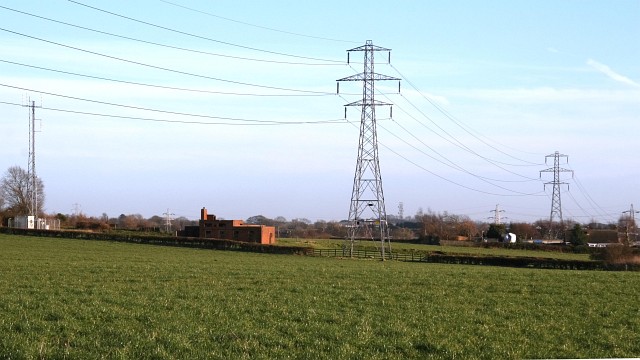
Distribution Challenges: The state’s power distribution companies (DISCOMs) struggle with high transmission losses and outdated infrastructure, making it difficult to distribute electricity efficiently even when generation peaks.
The Depth Analysis: Connecting the Dots
The link between deforestation and power shortages is direct: deforesting the landscape alters local climates, making regional summers much hotter. As temperatures soar, the demand for cooling increases exponentially. This puts an immense burden on an aging electrical grid that relies on thermal energy, which itself requires vast amounts of water and stable conditions to operate efficiently.
This creates a vicious cycle : To meet the massive energy demand caused by rising heat, power plants burn more coal, increasing greenhouse gas emissions. Furthermore, clearing forests for new mining and infrastructure projects worsens the climate crisis, leading to even hotter summers and higher power demands in the future.
The Way Forward: Breaking the Cycle
To resolve this dual crisis, India must shift from short-term fixes to long-term sustainable strategies.
Accelerate the Green Energy Transition: While Uttar Pradesh has made progress in promoting electric vehicles and implementing solar-hour tariffs, it must expand its renewable energy infrastructure. Investing heavily in solar and wind power will reduce dependence on vulnerable thermal power plants.
Enforce Reforestation and Urban Forestry: Protecting existing forests and launching aggressive urban afforestation drives can lower local temperatures, directly reducing the peak demand for electricity during hot summers.
Upgrade Power Infrastructure: Upgrading the grid with smart meters and modern transmission technology will help DISCOMs cut energy waste and manage electricity distribution more effectively.
India’s environment and energy systems are deeply interconnected. Addressing the power shortage in Uttar Pradesh requires more than just repairing power plants, it demands a strong commitment to protecting the natural environment. Only by restoring its green cover can India cool its rising temperatures and build a stable, resilient energy future.
Yeh article aapko kaisa laga?