
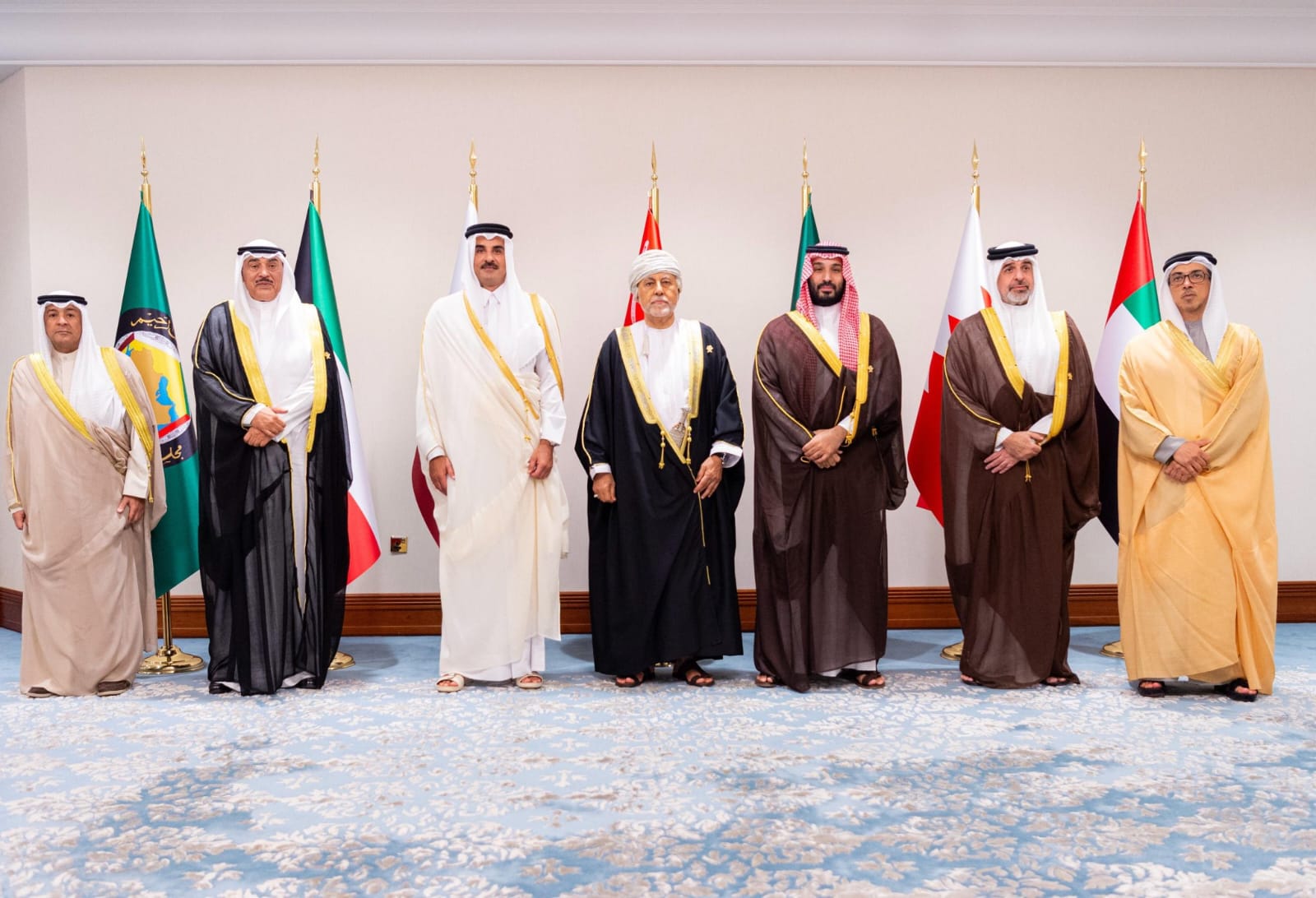
Photo: Saudi Gazette/X
In recent months, the term “Islamic NATO” has frequently appeared across social media feeds and international news networks. The phrase refers to a proposed military alliance among several Muslim-majority nations, with Pakistan emerging as a key supporter of the idea.
For India, observing these developments is highly important. If neighboring countries successfully form a massive, united military network, it will significantly alter the security environment in South Asia.
From Counter-Terrorism to Alliance like NATO
The foundation of this group began in December 2015 when Saudi Arabia formed the Islamic Military Counter Terrorism Coalition (IMCTC), a group of over 40 Muslim-majority countries. Originally, this was not a defense pact. The IMCTC was designed strictly to share intelligence and block terrorist funding. Pakistan’s former Army Chief, General Raheel Sharif, served as its first military commander.
However, recent diplomatic meetings in late 2025 and 2026 between Pakistan, Turkey, and Saudi Arabia indicate a shift toward building a traditional military alliance similar to the North Atlantic Treaty Organization (NATO). To understand what this means, we have to look at two specific rules that make NATO so powerful: Article 3 and Article 5.
• Article 3 (Building Collective Capacity): This rule states that member nations must continuously work together to build their military strength and share technology.
• Article 5 (Mutual Defense): This is the core of NATO. It states that an armed attack against one member is considered an attack against all members.
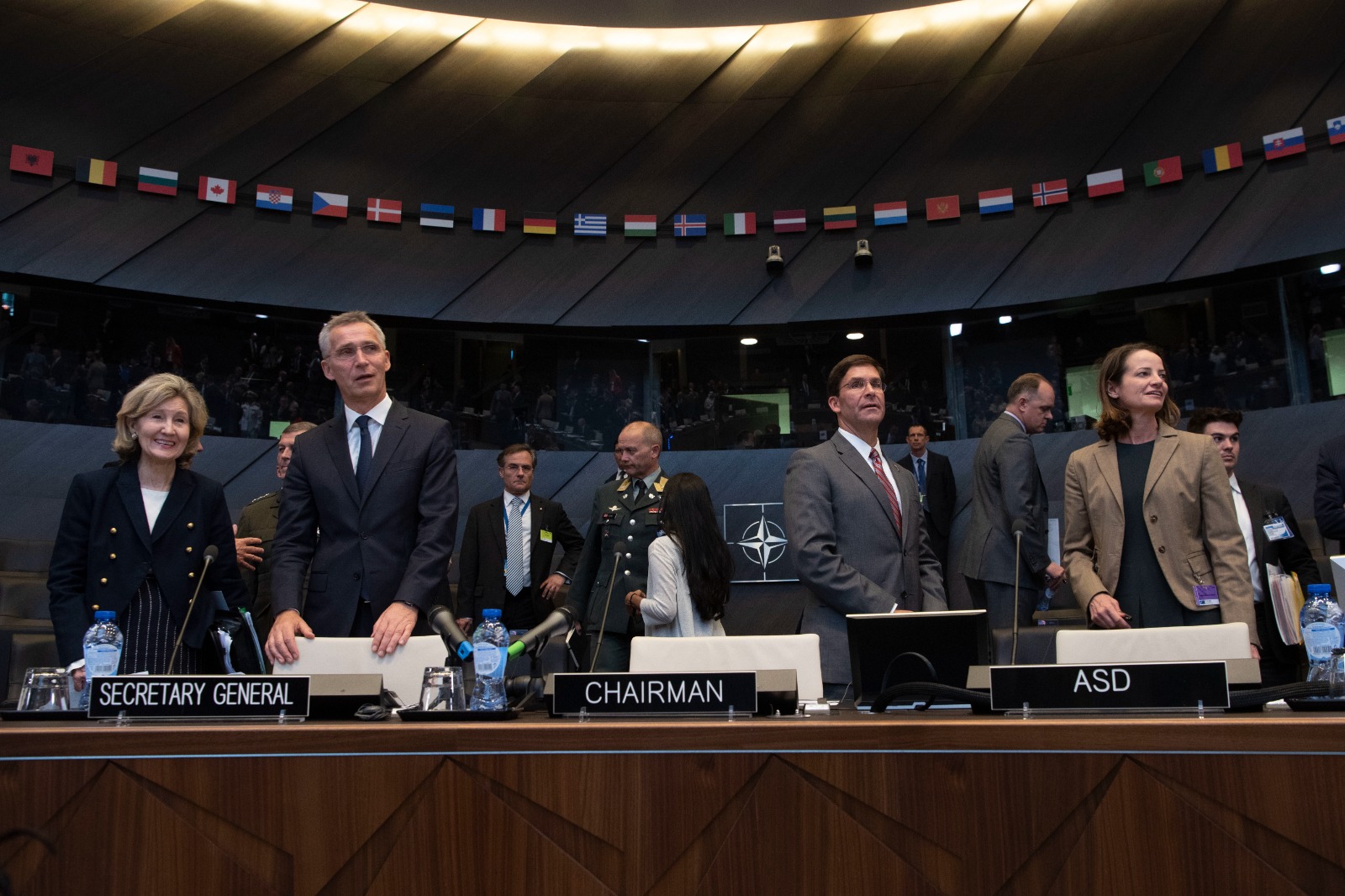
Photo: Lisa Ferdinando, NATO headquarters, Brussels, Belgium, June 27, 2019
According to reports from geopolitical think tanks like the Middle East Institute, the proposed “Islamic NATO” wants to adopt this exact structure. Rather than just tracking terrorists, these nations want to build shared military technology (Article 3) and promise to defend each other in times of war (Article 5).
Analyzing the Combined Military Power
If these nations sign a mutual defense treaty, their combined military power would be vast. We can see the exact scale of this force by looking at data from the Global Firepower Index 2024 and the Stockholm International Peace Research Institute (SIPRI):
• Pakistan’s Deterrence: According to the Global Firepower Index, Pakistan ranks as the 14th most powerful military in the world, boasting a massive standing army. More importantly, it is the only Muslim-majority country with a recognized nuclear weapons program, providing the alliance with a nuclear shield.
• Turkey’s Technology: SIPRI’s arms transfer databases highlight Turkey as one of the world’s fastest-growing weapons exporters. Turkey already meets the strict standards of the Western NATO alliance and brings highly advanced combat drones, like the Bayraktar TB2, to the table.
• Saudi Arabia’s Wealth: According to reports by SIPRI, Saudi Arabia ranks as the 8th largest military spender globally. Driven by oil wealth, Riyadh provides the billions of dollars needed to fund joint research and purchase advanced global weaponry.
While it takes years to train different armies to fight together seamlessly, pooling Pakistan’s troops, Turkey’s technology, and Saudi Arabia’s wealth creates an immediately formidable defense bloc.
What Threats this Alliance can Pose on India?
For India, the primary concern is not a multi-nation invasion. The real threat lies in how an Article 5-style agreement changes the rules around Pakistan-Occupied Kashmir (PoK) and the Line of Control (LoC).
Historically, the Kashmir conflict has been a strictly bilateral issue. Under the 1972 Simla Agreement, India and Pakistan agreed to resolve their differences peacefully and bilaterally. The Indian government firmly rejects any outside interference or third-party mediation.
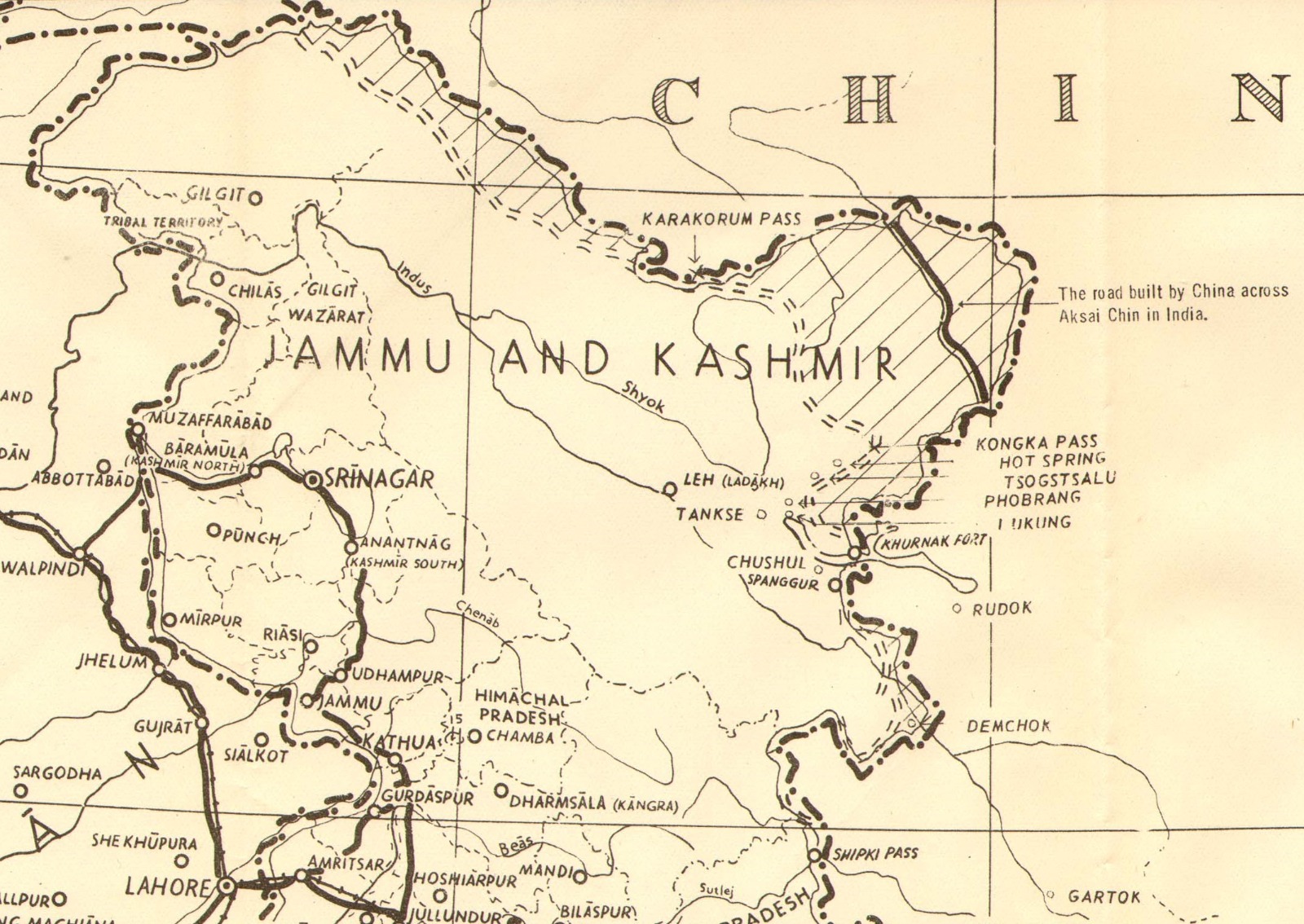
Photo: Survey of India, Government of India
However, strategic analysts at the Observer Research Foundation (ORF) in New Delhi point out that a mutual defense treaty would completely disrupt this balance. If a local border clash occurs, or if India takes targeted military action to secure areas near PoK, Pakistan could trigger the alliance’s mutual defense clause.
By claiming it is under attack, Pakistan could legally request military, economic, or diplomatic intervention from Turkey and Saudi Arabia. This effectively “internationalizes” the Kashmir issue, giving Pakistan a massive security blanket and making it incredibly complicated for India to take localized military action without risking a wider international conflict.
Why Pakistan Needs This Alliance?
While the military benefits are clear, Pakistan’s aggressive push for this alliance is equally driven by extreme financial desperation.
According to data from the State Bank of Pakistan, the country has struggled with critically low foreign currency reserves and high inflation. To avoid economic collapse, Pakistan remains highly dependent on a $7 billion bailout program from the International Monetary Fund (IMF). Integrating into a wealthy military alliance offers Pakistan three vital, non-IMF economic lifelines:
1. Joint Defense Manufacturing: Under a capacity-building agreement, Pakistan is already partnering with Turkey to co-produce military drones and naval corvettes. This directly boosts Pakistan’s domestic manufacturing sector, creates high-tech jobs, and generates crucial export revenue.
2. Financial Subsidies: Closer military ties with oil-rich Middle Eastern nations frequently result in direct economic assistance. Saudi Arabia has a history of providing Pakistan with deferred payment facilities for massive oil imports, directly relieving pressure on Pakistan’s national treasury.
3. Exporting Security Services: Pakistan already provides military training and security personnel to several Gulf nations. A formalized alliance ensures that Pakistan will continue to receive steady, guaranteed financial compensation for acting as the strategic security provider for wealthier, less populous Middle Eastern states.
Conclusion
The concept of an “Islamic NATO” is currently transitioning from a counter-terrorism organization into a serious, complex geopolitical ambition. There are still major hurdles preventing it from becoming a unified military force overnight, largely due to deep historical disagreements and competing interests among various Middle Eastern countries.
However, the framework for a mutual defense pact is actively being negotiated. For Pakistan, establishing this alliance is a calculated survival strategy designed to secure financial lifelines and build a powerful, multi-national military shield. For India, it represents a highly unpredictable shift in the neighborhood. As these nations move closer to signing binding defense treaties, Indian policymakers face the complex challenge of managing traditional border disputes that could soon carry the full weight of a multinational military alliance.
Yeh article aapko kaisa laga?