
Photo: Nitish Meena nitishm
How Much Do Undocumented Workers Contribute to the US Economy?
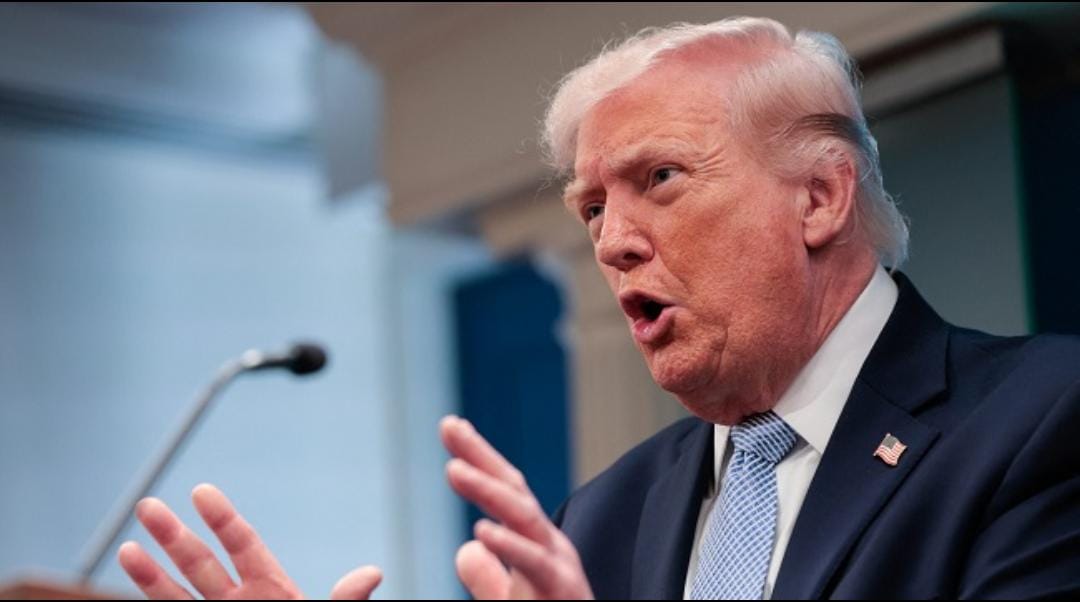
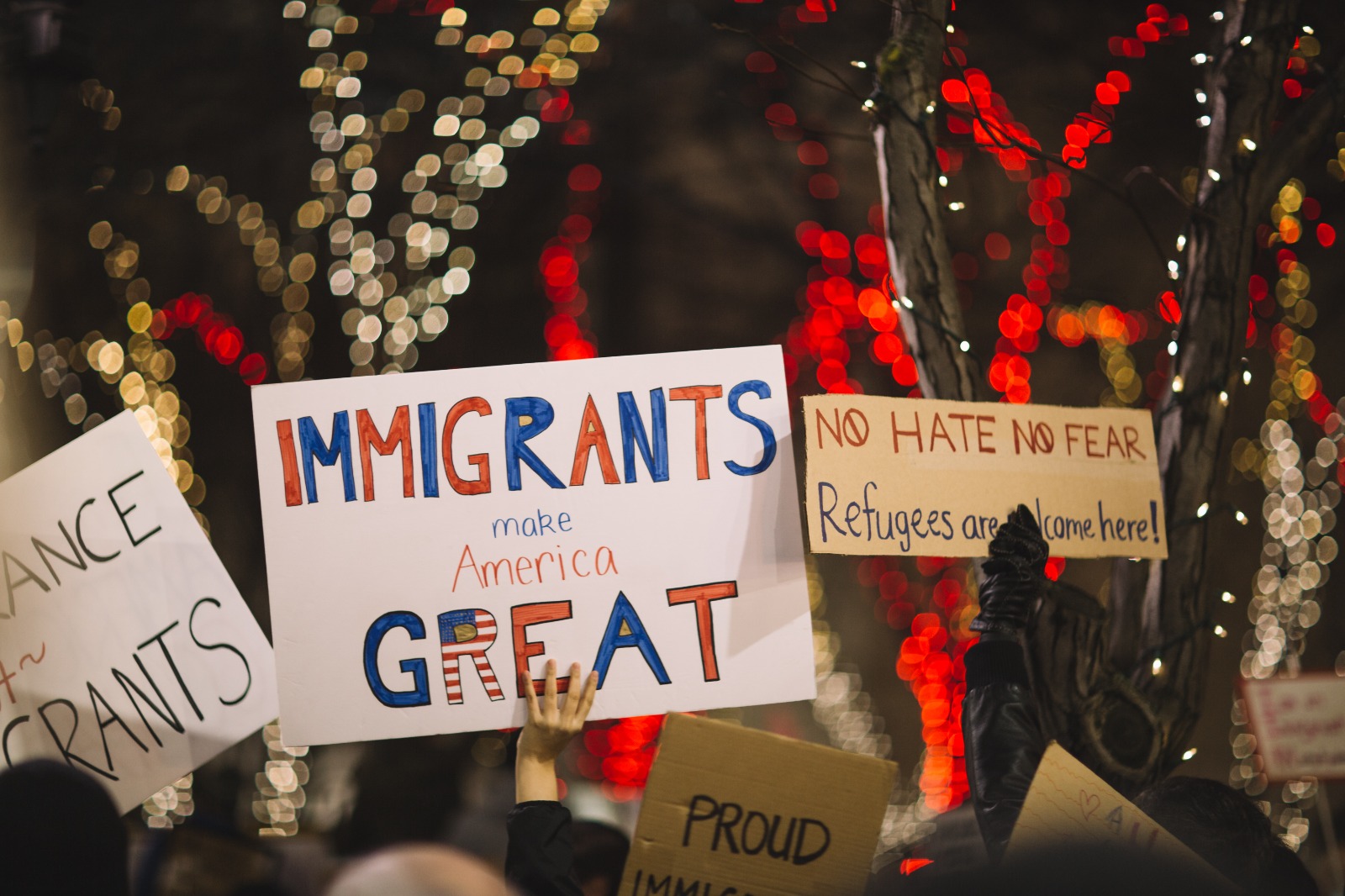
A recent social media repost by President Donald Trump regarding immigrants has once again pushed border policies to the forefront of national conversation. The modern immigration debate predominantly focuses on issues of legality, border security, and national identity. However, economic data indicates that a highly critical element is frequently omitted from these political discussions: the sheer economic dependence on the undocumented worker.
While political campaigns debate the legalities of border crossings, a much deeper structural question lies underneath: How dependent is the U.S. economy on undocumented labor to maintain its Gross Domestic Product (GDP) and daily operations?
Two Pathways of Migration
The first is the legal option, which is most often utilized by skilled professionals, tech workers, and international students. These individuals are documented, protected by federal labor laws, and systematically integrated into the formal workforce.
The second pathway operates in the shadows. Often driven by the pursuit of a better future, less-skilled informal workers cross borders without authorization. Much like a real-world reflection of the “Bajrangi Bhaijaan” and “Dunki” narrative where borders are bypassed out of desperation or hope, these individuals enter the informal economy. Once inside the country, they form the backbone of industries that demand intense manual labor.
Fair Labor Standards Act and MSME Pressures
The division between documented and undocumented labor creates a distinct economic dynamic, primarily driven by federal regulations. The Fair Labor Standards Act (FLSA) of 1938 forms the foundation of U.S. labor rights, setting minimum wage standards, overtime pay, and youth employment standards. Legal migrants and domestic citizens are fully covered under this act. Undocumented workers, by virtue of their legal status, frequently fall entirely outside these protections.
This regulatory gap intersects directly with the financial realities of Micro, Small, and Medium Enterprises (MSMEs). Small businesses traditionally operate on razor-thin profit margins. In a heavily regulated market, these businesses face immense cost pressures. The economic formula is straightforward: when mandatory labor wages go up, product and service prices must go up, which inevitably drives market competitiveness down.
To survive these pressures, many small businesses and large agricultural conglomerates turn to undocumented workers to fill the gaps. These workers provide a highly flexible, low-cost labor pool. Furthermore, they frequently take on the physically demanding, low-paying jobs that domestic workers actively avoid.
The “Silent Economic Arrangement”
This dynamic has created what labor economists might consider a “Silent Economic Arrangement.”
On one side of the balance sheet, there are clear beneficiaries. Small businesses survive cost pressures, agricultural yields are harvested on time, and average consumers benefit directly through lower prices at the grocery store and in the service sector.
On the other side, a heavy burden is placed entirely upon the worker. Because they lack legal status, undocumented workers have virtually no workplace protections. They face exploitative working conditions, wage theft, and operate under the constant, looming fear of deportation. This vulnerability is precisely what keeps their labor costs so remarkably low, artificially subsidizing various sectors of the American economy.
What numbers actually says?
According to 2023 records, estimates regarding the number of undocumented immigrants currently residing in the United States vary slightly but remain highly significant. The Center for Migration Studies estimates the population at roughly 12.2 million, while the Pew Research Center places the number closer to 14 million for the same year.
Collectively, this demographic represents an estimated 4% to 5% of the total U.S. workforce. However, their impact is not spread evenly; it is heavily concentrated in foundational industries. According to data provided by the Pew Research Center, undocumented workers constitute roughly 17% of the nation’s agricultural workforce, 13% of the construction sector, and 4% of the hospitality industry. They are also heavily represented in domestic work and informal landscaping.
Beyond direct labor, economic data shows that undocumented workers contribute massively through the “consumption effect.” The wages earned by these workers are immediately pumped back into the domestic economy. They pay rent, purchase groceries, buy consumer goods, and pay local sales taxes. This continuous cycle of consumption stimulates local economies and actively contributes to the national GDP.
Contradiction of Policy
When examining the data, it becomes evident that the employment of undocumented workers is not an isolated phenomenon, but rather a systematic economic reality. Many of the jobs occupied by this demographic are roles that are notoriously hard to fill with domestic labor.
Therefore, a clear structural dependence on undocumented labor exists within the U.S. economy. This reality highlights a glaring policy contradiction: the nation maintains strict immigration laws and border enforcement rhetoric on one side, while simultaneously maintaining a deep, unspoken economic reliance on unauthorized labor on the other. This inherent contradiction is a point that is routinely sidelined or entirely ignored during mainstream immigration debates.
Tell us in the Comments, What do you think?
The question is not whether undocumented workers contribute or not, but whether an economy should rely on a system that depends on invisibility, vulnerability, and exploitation. Ping us your comments to join the discussion.
Yeh article aapko kaisa laga?