
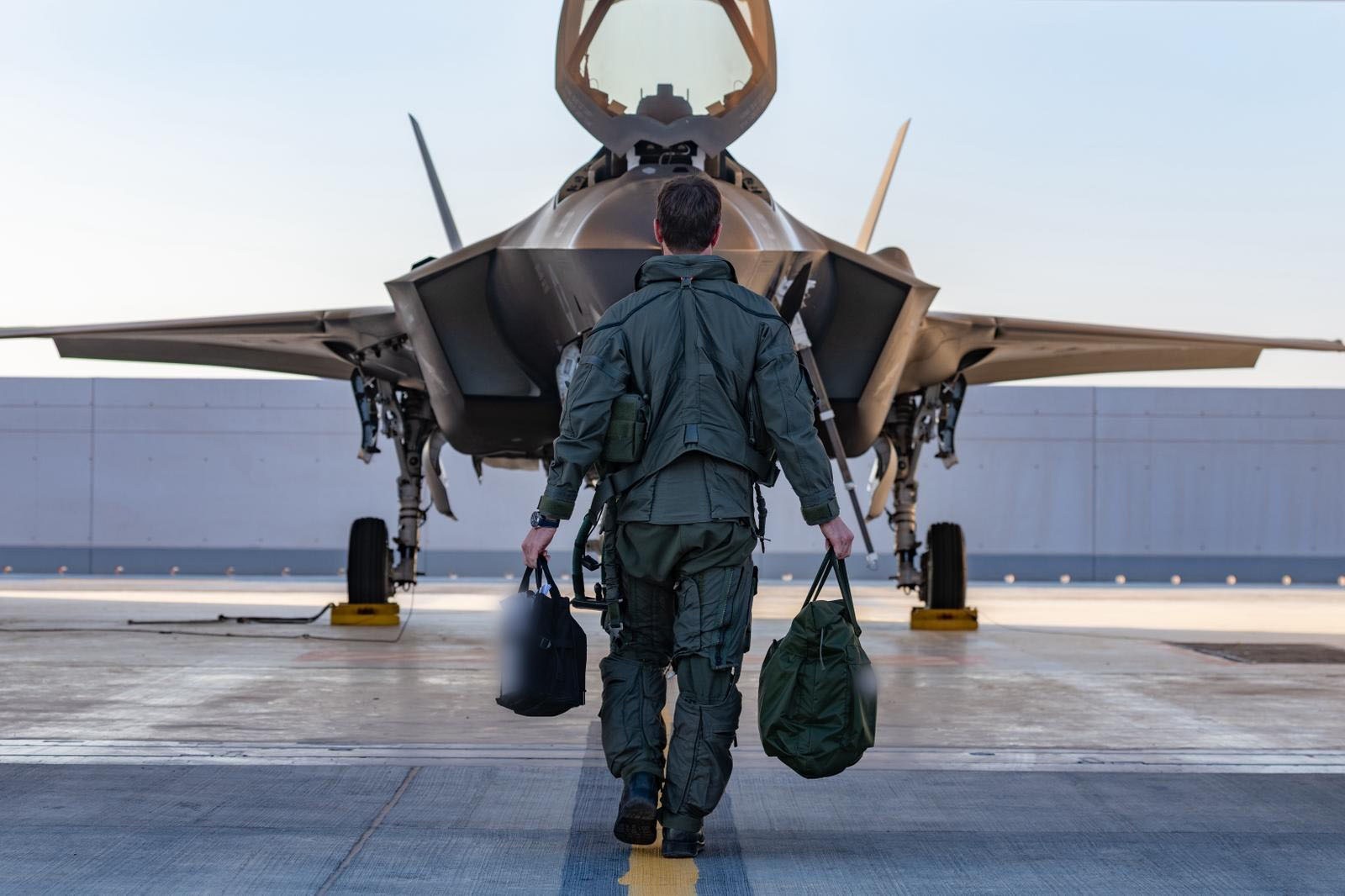
Photo: Israeli Air Force F-35I Adir, Operation Roaring Lion 2026 / IDF Spokesperson’s Unit
Right now, the world is holding its breath. As we move through May 2026, the intense military conflict between the United States and Iran is in a fragile, temporary pause. What began a few months ago as a targeted military strike has quickly spiraled into a massive crisis, completely rewriting the rules of the Middle East and sending shockwaves through the global economy.
How the Conflict Exploded?
According to defense officials, the United States and Israel launched a sudden, joint military campaign against Iran. The United States claimed this was a necessary act of self-defense aimed at destroying Iran’s ability to build nuclear weapons and advanced missiles. These initial airstrikes took out several top Iranian leaders, including Supreme Leader Ali Khamenei.
In response, Iran fought back hard. They launched a massive wave of drones and ballistic missiles at US military bases and Israeli targets across the Middle East. From Iran’s perspective, the US and Israeli airstrikes were a direct, illegal attack on their country. Iranian officials argue that their missile strikes are simply a nation defending its own borders and pushing back against foreign armies in their neighborhood.
Friends, Neutrals, and Fractured Alliances
When a war of this size breaks out, you quickly see who stands by their friends and who steps back. The alliances in this conflict have surprised many global observers.
United States leaned heavily on Israel for military support. However, traditional US allies showed unexpected hesitation. According to diplomatic reports, major NATO partners like the United Kingdom and France refused to join the direct bombing campaigns, choosing instead to only help guard international shipping lanes. Similarly, traditional Middle Eastern allies like Saudi Arabia and the United Arab Emirates are nervously avoiding the crossfire, actively pushing for regional peace pacts rather than joining the fight.
On the other side, Iran called on its long-standing loyalists. Armed groups like Hezbollah in Lebanon and the Houthis in Yemen quickly jumped into the conflict to support Tehran, with the Houthis specifically attacking ships at sea.
Meanwhile, other global powers played it incredibly safe. China completely avoided the fighting, focusing only on protecting its own cargo ships. In the middle of this chaos, Pakistan stepped up as the main peacemaker, sending its top army officials to Tehran to carry messages between the US and Iranian governments.
Broken Rules and Human Rights Alarms
As the missiles flew, both sides faced serious accusations of breaking international law.
Iranian state media quickly accused the United States of violating the United Nations Charter. This accusation gained major international traction after a tragic incident where an initial strike, aimed at a naval base in Minab, hit a neighboring girls’ school instead, killing around 170 civilians.
However, Iran is facing heavy international backlash of its own. United Nations officials have strongly condemned Tehran, accusing the government of using the chaos of the war as a smokescreen to secretly execute political prisoners who had protested earlier in the year. Furthermore, legal experts point out that Iran’s decision to block the Strait of Hormuz and force ships to pay a “toll” is a direct violation of international maritime laws that guarantee free travel on the open ocean.
Devastating Aftermath in the Middle East
Human cost on the ground has been absolutely catastrophic. According to military records, Iran has lost over 6,000 soldiers, along with nearly 200 missile launchers and over 150 navy ships. Hezbollah has reported losing nearly 1,000 of its own fighters. The violence has also triggered a massive refugee crisis, with humanitarian groups reporting that one-sixth of Lebanon’s entire population has been forced to flee their homes.
US and Israel have also taken hits, reporting combined military deaths of over 35 personnel and more than 8,000 injuries, including many Israeli civilians. The financial drain is equally staggering; the Pentagon spent roughly $18 billion just in the opening days of the war and has had to ask for an extra $200 billion to keep operations running.
Global Financial Shockwave
You do not have to live in the Middle East to feel the damage of this war. The financial aftermath has hit almost every country on earth.
Biggest blow to the global economy happened when Iran choked off the Strait of Hormuz. This narrow strip of water is where roughly 20 percent of the world’s oil travels. When Iran blocked it, millions of barrels of oil were suddenly trapped. Oil prices immediately shot up past $104 a barrel.
When oil gets that expensive, everything gets more expensive. The sudden energy shortage has forced steel factories and chemical plants in Europe and Asia to shut down or scale back. The costs of airline tickets, fertilizers, and even everyday groceries are climbing, leaving central banks terrified of a long-term, global financial crisis.
Where Do We Go From Here?
There is currently a temporary pause in the shooting. But turning this temporary quiet into a permanent peace is proving to be incredibly difficult.
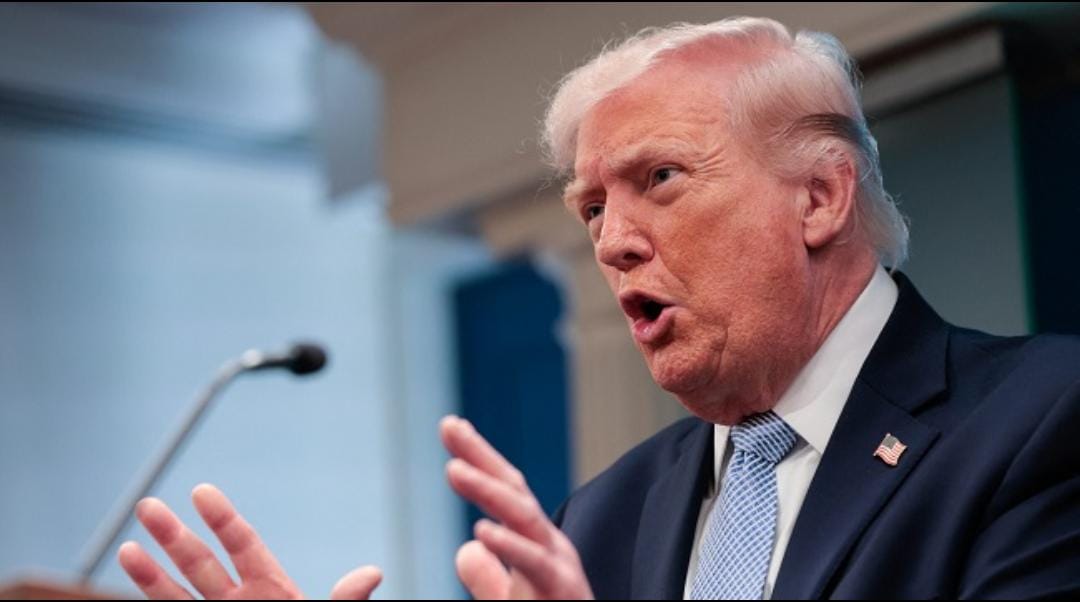
The demands from both sides are miles apart. US President Donald Trump has made it clear that the US wants the Strait of Hormuz fully reopened immediately, and he is demanding that Iran hand over or destroy its enriched uranium. On the flip side, Iranian officials are refusing to give up their uranium and are demanding that all global economic sanctions against them be lifted immediately.
As we look toward the second half of 2026, the world remains on edge. What started as a targeted strike has proven that in today’s highly connected world, a regional war can instantly threaten global trade, test the limits of old friendships, and break international laws. Until both sides are willing to make massive compromises, the threat of a wider war and a deeper economic crash remains a very real danger.
Yeh article aapko kaisa laga?